Arthritis Pain Management Without Surgery: Effective Ways to Find Lasting Relief
September 4, 2026
Quick Answer
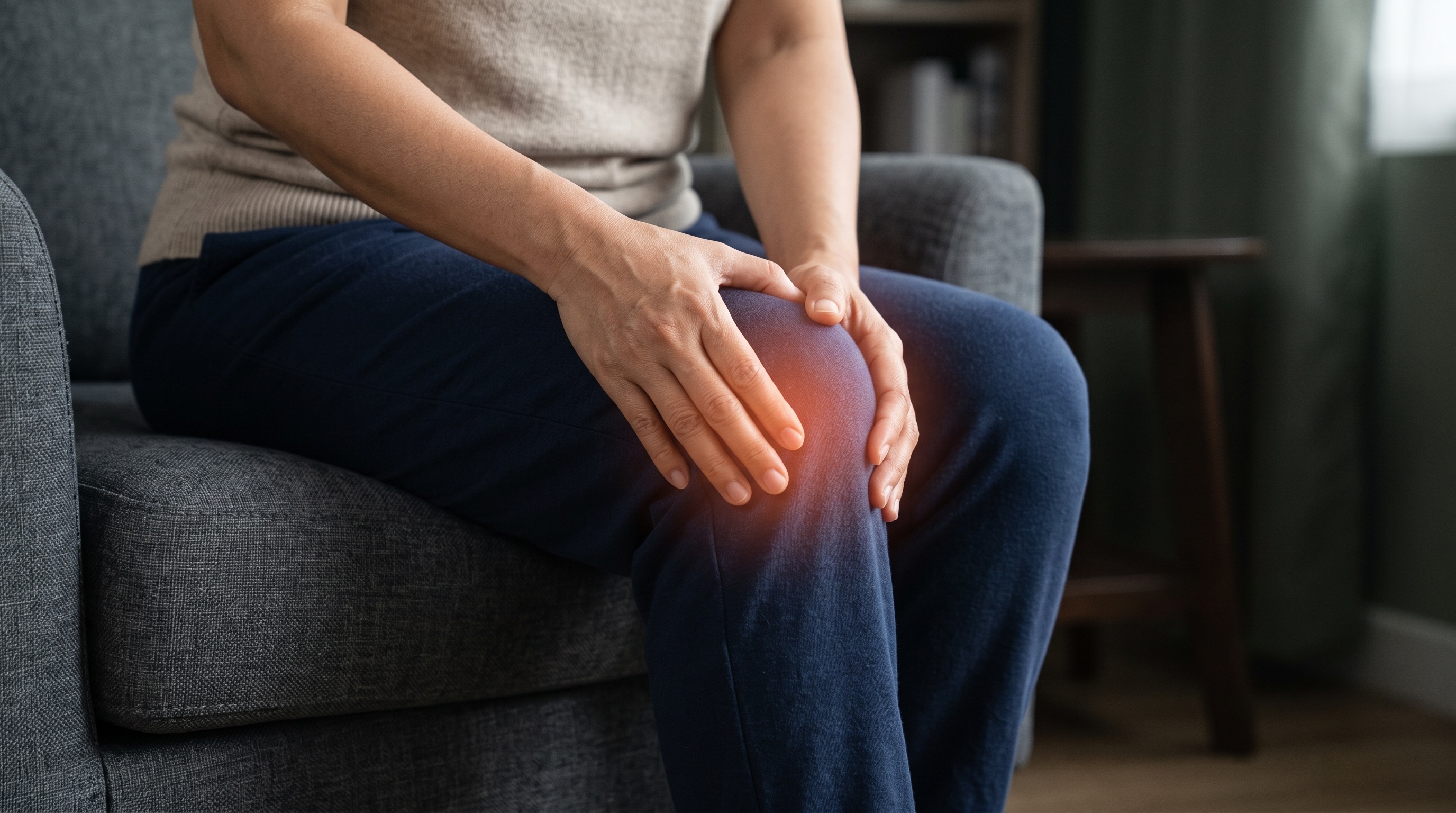
Arthritis pain can often be effectively managed without surgery. Most patients get lasting relief through a combination of lifestyle changes, physical therapy, medication, and minimally invasive interventional treatments like joint injections or radiofrequency ablation. Surgery is typically reserved as a last resort, after these conservative options have been tried.
Key Takeaways
Arthritis Pain Management Without Surgery
Living with arthritis can make even the simplest daily activities feel challenging. Whether you're climbing stairs, opening a jar, or getting out of bed in the morning, persistent joint pain and stiffness can affect your quality of life. While some people believe surgery is the only solution for severe arthritis pain, many patients find lasting relief through non-surgical treatment options.
Modern arthritis pain management without surgery focuses on reducing inflammation, improving mobility, and helping patients return to the activities they enjoy. Through a personalized treatment plan, many individuals can successfully manage arthritis symptoms while delaying, or even avoiding joint replacement surgery.
What Is Arthritis?
Arthritis is not a single disease but a group of conditions that cause inflammation, pain, and stiffness in the joints. It affects millions of Americans and becomes more common with age, although it can develop at any stage of life.
The two most common types include:
Osteoarthritis
Osteoarthritis is the "wear-and-tear" form of arthritis. Over time, the protective cartilage that cushions your joints gradually wears away, causing bones to rub together. This leads to pain, stiffness, swelling, and reduced range of motion.
Rheumatoid Arthritis
Rheumatoid arthritis is an autoimmune condition in which the body's immune system mistakenly attacks healthy joint tissue. This causes chronic inflammation that can damage joints over time if left untreated.
Regardless of the type, early treatment can significantly improve symptoms and help maintain joint function.
Common Symptoms of Arthritis
Arthritis symptoms often develop gradually and may worsen over time. Common signs include:
- Joint pain
- Morning stiffness
- Swelling around the joints
- Limited range of motion
- Tenderness when touching the joint
- Joint instability
- Difficulty walking or performing daily activities
Symptoms may come and go, with periods of increased pain known as flare-ups.
Can Arthritis Be Managed Without Surgery?
In many cases, yes.
Surgery is generally considered only after conservative and minimally invasive treatments have failed to provide adequate relief. Most patients benefit from a combination of therapies that target pain, inflammation, and mobility.
The goal of arthritis pain management without surgery is to reduce discomfort, improve function, and help patients stay active.
Lifestyle Changes That Make a Difference
Small daily habits can have a significant impact on arthritis symptoms.
Maintain a Healthy Weight
Extra body weight places additional stress on weight-bearing joints such as the knees, hips, and spine. Even modest weight loss can reduce joint pressure and improve mobility.
Stay Physically Active
Although movement may seem difficult during painful flare-ups, regular low-impact exercise helps strengthen muscles that support the joints.
Good exercise options include:
- Walking
- Swimming
- Water aerobics
- Cycling
- Yoga
- Stretching routines
Exercise also improves flexibility, balance, and overall joint health.
Eat an Anti-Inflammatory Diet
A balanced diet rich in fruits, vegetables, lean proteins, whole grains, and healthy fats may help reduce inflammation throughout the body.
Foods containing omega-3 fatty acids, such as salmon, walnuts, and flaxseed, are often recommended as part of an arthritis-friendly diet.
Physical Therapy for Arthritis
Physical therapy plays an important role in non-surgical arthritis treatment.
A physical therapist creates a customized exercise program designed to:
- Improve flexibility
- Increase strength
- Protect affected joints
- Improve posture and body mechanics
- Reduce stiffness
Patients who consistently follow their therapy program often experience better long-term outcomes and improved independence.
Medications That Help Manage Arthritis Pain
Several medications may help reduce arthritis symptoms.
Depending on the patient's condition, treatment may include:
- Acetaminophen
- Nonsteroidal anti-inflammatory drugs (NSAIDs)
- Topical pain creams
- Prescription anti-inflammatory medications
- Disease-modifying medications for autoimmune arthritis
Medication should always be taken under the supervision of a healthcare provider to minimize potential side effects.
Interventional Pain Management for Arthritis
When medications and physical therapy no longer provide enough relief, interventional pain management offers minimally invasive treatments that target the source of pain without major surgery.
These procedures are typically performed in an outpatient setting and often require little downtime.
Corticosteroid Joint Injections
Corticosteroid injections reduce inflammation inside painful joints.
Many patients experience relief lasting from several weeks to several months, allowing them to remain active while participating in rehabilitation.
These injections are commonly used for:
- Knee arthritis
- Hip arthritis
- Shoulder arthritis
- Spine arthritis
Hyaluronic Acid Injections
For certain patients with knee osteoarthritis, hyaluronic acid injections help improve joint lubrication and reduce pain during movement.
Although results vary, many patients report improved mobility following treatment.
Facet Joint Injections
Arthritis frequently affects the small facet joints located along the spine.
Facet joint injections deliver anti-inflammatory medication directly into these joints, helping reduce chronic neck and back pain caused by spinal arthritis.
Radiofrequency Ablation (RFA)
If facet joint injections provide temporary relief, radiofrequency ablation may offer longer-lasting pain control.
This minimally invasive procedure uses heat generated by radiofrequency energy to interrupt pain signals from specific nerves supplying the affected joints.
Pain relief often lasts several months and, in many cases, even longer.
Regenerative Therapies
Some pain management specialists may discuss regenerative medicine options, depending on the patient's condition and overall health.
These treatments continue to be studied and may not be appropriate for every patient. Your provider can explain whether any regenerative therapy is suitable based on current evidence and your specific diagnosis.
When Should You See a Pain Management Specialist?
Many people wait far too long before seeking professional help.
Consider scheduling an evaluation if:
- Pain lasts longer than three months.
- Joint pain interferes with work or hobbies.
- Walking becomes increasingly difficult.
- Over-the-counter medications no longer help.
- Sleep is disrupted because of pain.
- Joint stiffness continues to worsen.
Early intervention often leads to better pain control and improved long-term function.
Benefits of Non-Surgical Arthritis Treatment
Choosing arthritis pain management without surgery offers several advantages.
Many patients experience:
- Reduced pain
- Improved mobility
- Better quality of life
- Faster recovery compared to surgery
- Lower risk of complications
- Personalized treatment plans
- Delayed or avoided joint replacement surgery
Because every patient responds differently, treatment plans are tailored to individual symptoms, lifestyle, and goals.
Frequently Asked Questions
Can arthritis go away without surgery?
Arthritis cannot usually be cured, but its symptoms can often be effectively managed through non-surgical treatments, allowing many patients to remain active and comfortable.
Are injections safe?
When performed by qualified medical professionals, joint and spine injections are generally considered safe. Your provider will discuss potential benefits and risks before recommending treatment.
How long do non-surgical treatments last?
Results vary depending on the treatment and the individual. Some patients experience relief for weeks, while others benefit for several months or longer with ongoing care.
Is surgery always necessary?
No. Many patients successfully manage arthritis pain for years using conservative treatments, physical therapy, medications, and interventional pain procedures.
Take Control of Arthritis Pain Before It Controls You
Living with arthritis doesn't have to mean living with constant pain. Advances in arthritis pain management without surgery have made it possible for many patients to regain mobility, reduce discomfort, and enjoy a more active lifestyle without undergoing major surgery.
If arthritis pain is limiting your daily activities, speaking with an interventional pain management specialist can help you understand your treatment options. A personalized care plan that combines lifestyle changes, physical therapy, medications, and minimally invasive procedures may provide the lasting relief you need to get back to doing what matters most. You don’t have to live with chronic pain, and you don’t have to jump straight to surgery. Schedule your consultation today at one of our convenient locations in Austin, Kyle, San Marcos, or Dripping Springs. Together, we’ll develop safer, more effective solutions to help you achieve lasting pain relief.