Currently accepting new patients
Address

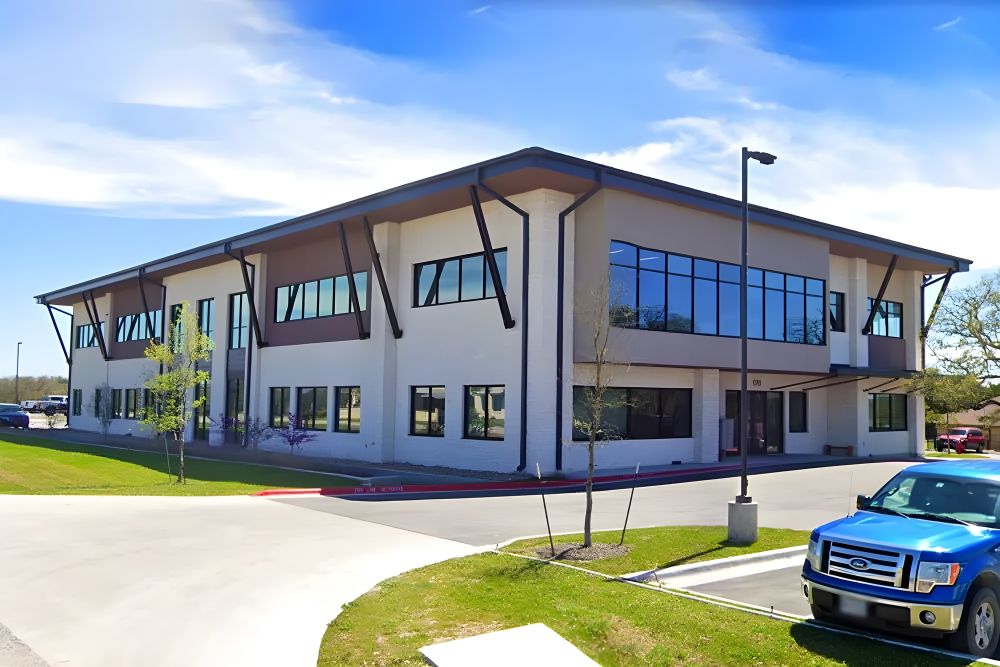
5920 W. William Cannon Dr. Building 6, Suite 150
Austin, TX 78749
Get Directions

Office hours

Mon: 8AM – 5PM
Tues: 8AM – 5PM
Wed: 8AM – 5PM
Thur: 8AM – 5PM
Fri: 8AM – 5PM
Weekends: Closed

Phone

Phone: (512) 298-1645

Fax: (512) 298-1795

Accepted insurance

- Aetna
- Blue Cross/Blue Shield (BCBS)
- Champ VA
- Cigna
- CMS
- Connected Senior Care Alliance
- Friday
- GEHA
- Humana
- Medicare
- Multiplan
- Oscar
- Railroad Medicare
- Smarthealth
- Tricare
- Triwest
- United Healthcare
- WellMed
- Worker's Compensation
- Private Pay

What is a Spinal Cord Stimulator and How Does it Work?

A spinal cord stimulator is a small device that is implanted near the spine to reduce chronic pain. After it is implanted via surgery, spinal cord stimulation uses mild electrical pulses to interfere with pain signals reaching the brain. This neuromodulation reduces pain because the electrical pulses mask the pain signal, preventing it from reaching your brain.

In other words, spinal cord stimulation doesn’t eliminate the source of pain. Instead, it works by interfering with the signal to the brain, causing patients to either not feel pain signals experience a tingling feeling instead.

Not all patients get the same degree of relief from neuromodulation, so a trial period is respected before permanent surgery is performed. This means that there are two procedures in the spinal cord stimulator implant process: the trial and the implantation. Even if a patient changes their mind after permanent surgery, spinal cord stimulators can be removed without damaging the spinal cord or nerves.

Spinal Cord Stimulator Implants Make Pain a Thing of the Past

Spinal cord stimulation in Austin, TX is a type of neuromodulation that can improve your sleep, quality of life, and overall well-being while helping you go about your day without taking pain medication. The treatment uses electrical currents to change how pain signals are processed, so you may notice a different sensation instead of pain. The spinal cord stimulator implant procedure itself is minimally invasive and has a low risk of complications. Compared to other surgical treatments, the healing time for spinal cord stimulator surgery is generally shorter.

What do Spinal cord stimulators treat?

Older woman clutching lower back in pain on bed.

Spinal cord stimulation is used most often after nonsurgical pain treatment options have failed to provide sufficient relief, helping support sleep, quality of life, and overall well-being. Spinal cord stimulators may be used to treat or manage different types of chronic pain, including:

  • Back pain
  • Nerve-related pain
  • Post-surgical pain
  • Arachnoiditis
  • Heart pain
  • Spinal cord injuries
  • Peripheral vascular disease
  • Perineal pain
  • Complex Regional Pain Syndrome (CRPS)

Generally, spinal cord stimulation treatment is used for people who aren’t able to get sufficient pain relief with medications, less-invasive therapies or other surgeries.

What To Expect From the Spinal Cord Stimulator Implant Process

Spinal Cord Stimulator Trial

During the Austin spinal cord stimulator trial procedure, the device is not implanted in the body. Instead, the wires are inserted, and an external transmitter sends the pulses while the temporary system is tested for about one week to see how you respond.

Spinal Cord Stimulator Implantation

After a successful spinal cord stimulator trial, the permanent implantation procedure places the system through two small incisions for lead placement, with the small generator discreetly implanted under the skin. The implantation surgery typically takes 1 to 2 hours and gives you complete control over your relief.

Am I a Candidate for a Spinal Cord Stimulator?

You may be a candidate for a spinal cord stimulator if a thorough evaluation shows you have chronic pain that has not improved enough with medication, physical therapy, injections, or other non-surgical treatments. Spinal cord stimulation is often considered for patients with long-term nerve-related pain, back pain, leg pain, post-surgical pain, or pain that continues to interfere with daily life despite previous treatment.

Before recommending a spinal cord stimulator, your provider and pain physician will review your medical history, symptoms, imaging, prior treatments, and current pain pattern, including whether symptoms follow a lumbar or cervical distribution. The goal is to determine whether your pain is nerve-related and whether neuromodulation may help reduce the pain signals traveling to your brain.

You may be a good candidate for spinal cord stimulation if:

  • Your pain has lasted for several months or longer
  • Conservative treatments have not provided enough relief
  • You have nerve-related pain, radiating pain, or post-surgical spine pain
  • Your pain affects walking, sleeping, working, or daily activities
  • You want to reduce reliance on pain medication when possible
  • You are healthy enough to undergo a minimally invasive procedure
  • You are willing to complete a temporary trial before permanent implantation

One of the benefits of spinal cord stimulation is that treatment begins with a trial period. During the trial, temporary leads are placed near the spine and connected to an external device. This allows you and your pain specialist to see how well stimulation reduces your pain before moving forward with a permanent implant.

A spinal cord stimulator may not be right for every patient. Certain medical conditions, active infections, bleeding concerns, untreated psychological conditions, or other health factors may affect whether the procedure is recommended. At Greater Austin Pain Center, our team will carefully evaluate your condition and help determine whether spinal cord stimulation is commonly recommended only after careful review of your suitability for treatment.

Man in pain holding lower back.

Spinal Cord Stimulator Surgery Recovery Time and Care

Recovery is one of the most important parts of any surgery, and the most important part of the recovery process from an Austin TX spinal cord stimulator implant surgery is the first week after. During the recovery, our spinal cord stimulator implant doctors will first provide you with a list of activities to avoid as much as possible for a few weeks after surgery, including:

  • Lifting objects heavier than five pounds
  • Athletic activities that could move the device before you heal
  • Sudden jerking motions like twisting and bending
  • Extended periods of sitting still that put pressure on your spine
  • Lifting your arms above your head

Activities like driving may also be restricted in the first few weeks after surgery. Discuss any specific activities you need to do for your work or home life with your back pain specialist prior to surgery.

Woman at elevators in front of San Antonio Eye Specialists sign.

The Spinal Cord Stimulator Implant Process

1

Schedule an Appointment

Give us a call to schedule your appointment to one of our locations. You can also fill out our form, and we’ll reach out to finalize your appointment.

2

Spinal Cord Stimulator Trial Period

If you’re considered a good candidate for spinal cord stimulation, we’ll have you try out spinal cord stimulation for a few days with a temporary implant.

3

Permanent Implant

If the trial period goes well, we’ll implant a permanent device that you can adjust with a handheld remote to change the type of pain relief needed for various activities.

Testimonials

5 gold stars

"Dr. Jarzembeck is AMAZING. I HIGHLY recommend her for anyone suffering in pain. She goes above and beyond to make sure her patients pain has been dealt with."

Genia G.
5 gold stars

"Everyone is so friendly and helpful, Dr. Bednar came to me and explained the procedure and answered my questions. Highly recommend!"

Maggie G.
5 gold stars

"Dr. Julia is the best! The staff is professional and friendly to all. Best of all, Dr. Julia is finding solutions for my chronic pain! Never thought that it would be possible. It's a journey for me, but it seems like there is a solution."

Nancy M.

Frequently Asked Questions

Does spinal cord stimulation work?

arrow icon

Yes, spinal cord stimulation (SCS) is an established, effective treatment for chronic pain that's been used for over 40 years and is approved by the FDA. Moreover, up to 90% of patients experience significant pain relief with spinal stimulators, and most patients also report improved quality of life and reduced opioid use.

Are you put to sleep for spinal cord stimulator surgery?

arrow icon

Yes. Spinal Cord Stimulation requires general anesthesia, as the electrodes must be secured to the ligaments and bone of the spine.

Is a spinal cord stimulator trial painful?

arrow icon

As with any surgery—even a minimally invasive one—the initial recovery period following the procedure can involve some discomfort. Light activities can often be resumed after two to three weeks, but complete recovery may take up to eight weeks.
Before the procedure, your physician will also review potential risks, including possible complications such as epidural hematoma and allergic reactions.

How is a spinal cord stimulator implanted?

arrow icon

Similar to the trial, thin wires are surgically placed in the epidural space and connected to a pulse generator, while an anesthetic is used to numb the area before insertion. The pulse generator is typically implanted under the skin in the abdomen or buttocks through small incisions. The procedure usually takes about 1 to 2 hours, and, in many cases, you are able to go home the same day, though skin erosion at the implantation site is a possible complication discussed before surgery.

Can I return to daily activities after it’s implanted?

arrow icon

While most physical activities are considered safe following the procedure, we will let you know when it is okay to resume everyday activities following your procedure, and after implantation, patients use a handheld remote control to adjust stimulation as they return to daily activities.

Does insurance cover spinal cord stimulators?

arrow icon

Spinal cord stimulators have been approved under CPT code 63650, for Medicare patients, and Greater Austin Pain Center works with both Medicare and most insurance plans.

Contact us for more information about whether Spinal Cord Stimulation is covered by your insurance plan.

Lunch & Learn With Our Doctors

Curious about interventional pain treatments in Austin, TX? Join our doctors for an in-person lunch and learn session to find out more about these treatments and ask any questions you may have. This event will be 12–1pm, sign up below to receive more details and RSVP.

Loading security check...

Thank you! Your submission has been received!
Oops! Something went wrong while submitting the form.

Austin Spinal Cord Pain Doctors

If you suffer from chronic pain and want to take back your life, we have four convenient locations in Austin, Kyle, Dripping Springs, and San Marcos. Find out more about our team of pain doctors dedicated to your wellbeing.

To learn more about how we treat pain symptoms and find long term solutions, please check out our pain conditions and treatments pages. You can get in touch with our friendly and knowledgeable team to schedule an appointment at one of our pain management centers in Austin.

Schedule an Appointment

Relieve Your Pain Today!
Disclaimer: Using this form does not establish a patient-physician relationship. This form is not to be used for emergencies or urgent requests. Please call 911 if you have a life-threatening emergency.
By submitting this form you agree to the collection of your personal data pursuant to our privacy policy.

Loading security check...

Green padlock icon
All Information Is Secure and Confidential
Thank you! Your submission has been received!
Oops! Something went wrong while submitting the form.
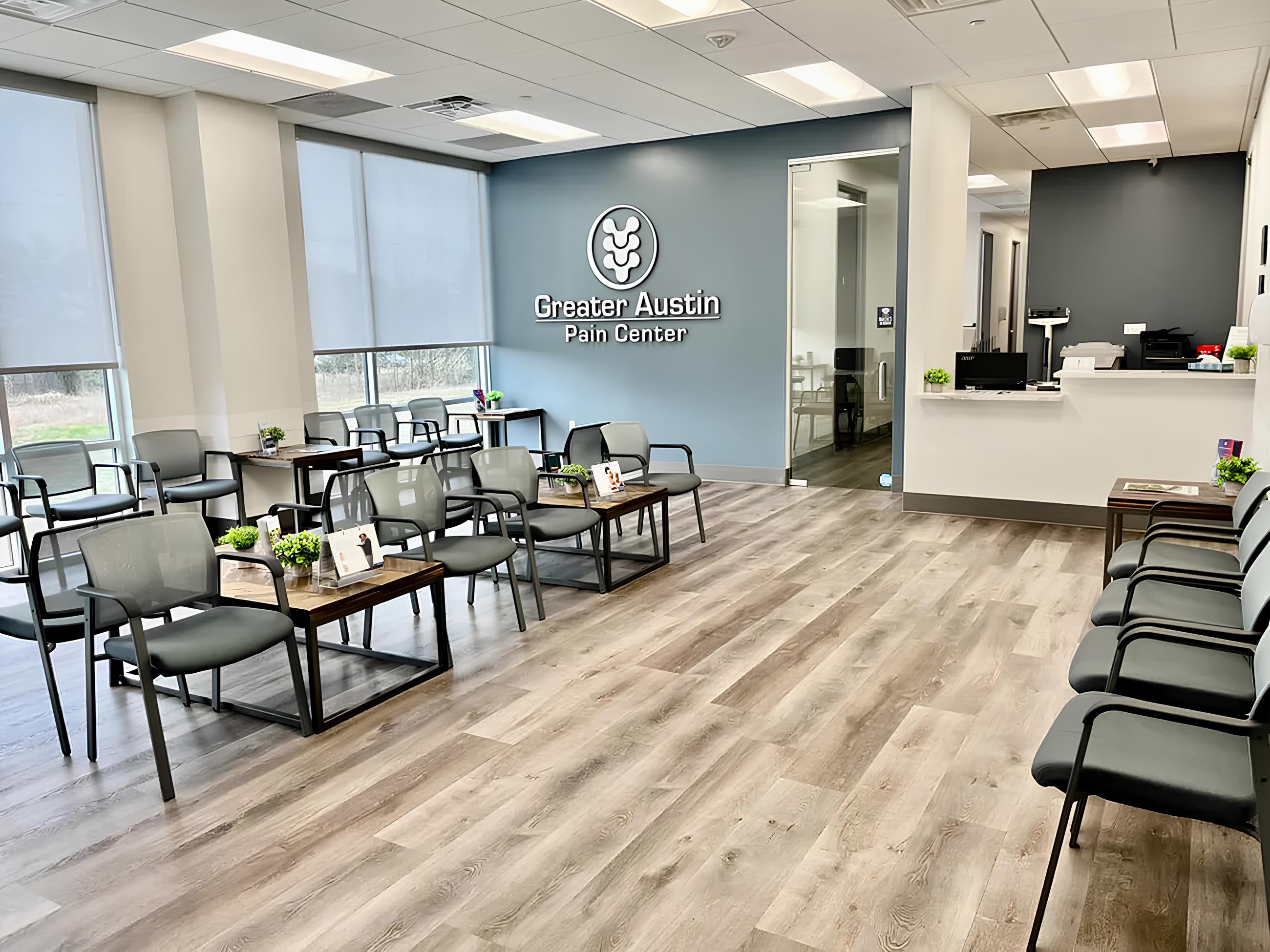
A modern medical office waiting room with gray chairs, small tables with plants and brochures, wood-style flooring, and a reception desk. The wall displays the sign "Greater Austin Pain Center."

Greater Austin Pain Center Is Hiring! Apply Online Today