Currently accepting new patients
Address

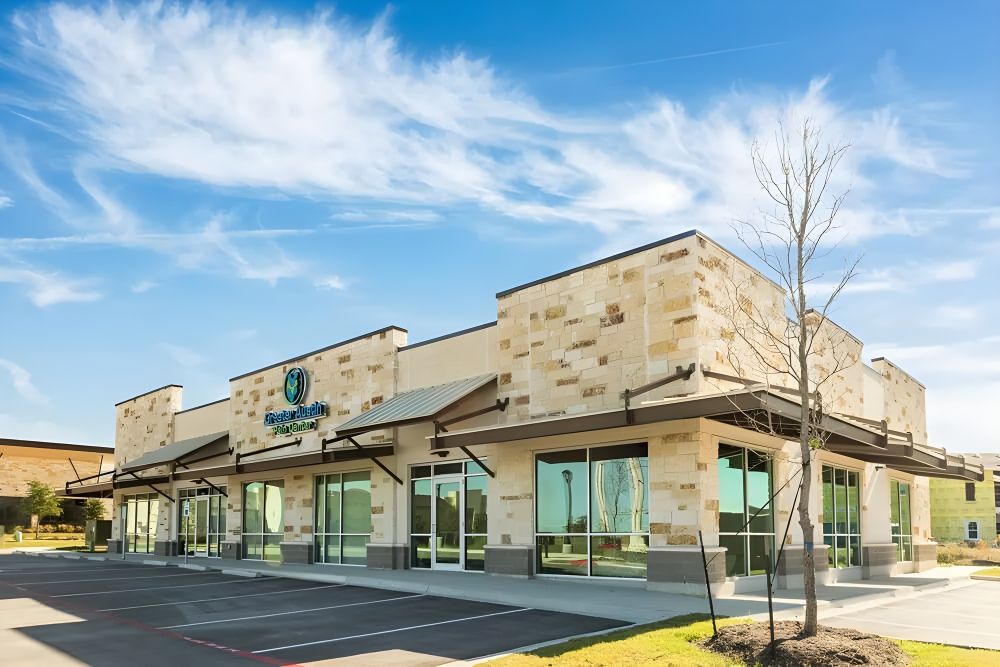
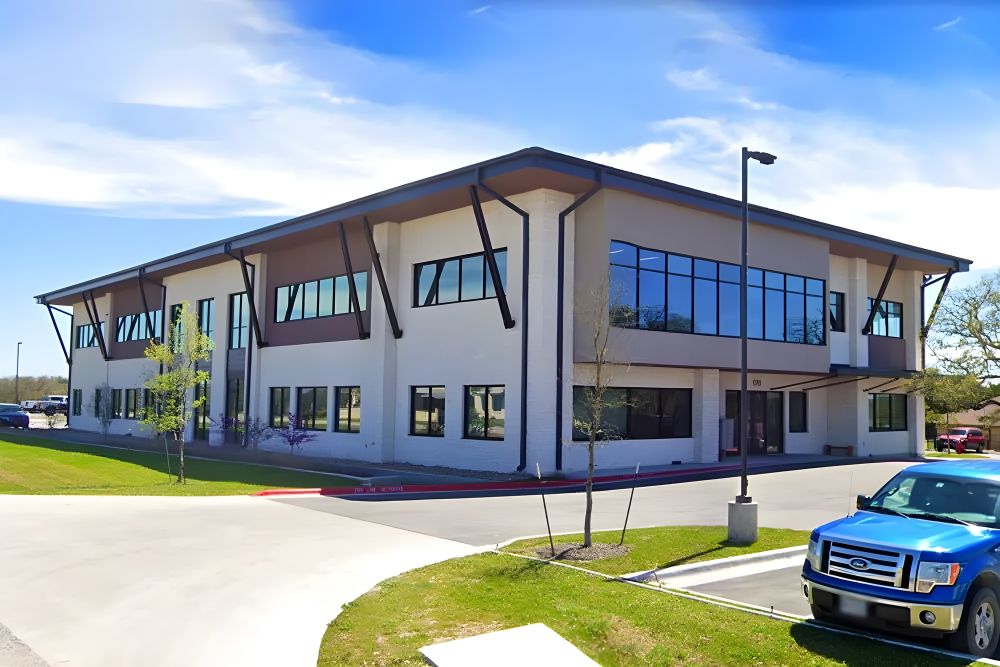
5920 W. William Cannon Dr. Building 6, Suite 150
Austin, TX 78749
Get Directions

Office hours

Mon: 8AM – 5PM
Tues: 8AM – 5PM
Wed: 8AM – 5PM
Thur: 8AM – 5PM
Fri: 8AM – 5PM
Weekends: Closed

Phone

Phone: (512) 298-1645

Fax: (512) 298-1795

Accepted insurance

- Aetna
- Blue Cross/Blue Shield (BCBS)
- Champ VA
- Cigna
- CMS
- Connected Senior Care Alliance
- Friday
- GEHA
- Humana
- Medicare
- Multiplan
- Oscar
- Railroad Medicare
- Smarthealth
- Tricare
- Triwest
- United Healthcare
- WellMed
- Worker's Compensation
- Private Pay

What is PRP? How does PRP Treatment Work?

PRP, or platelet-rich plasma, is plasma that is taken from your own blood, which then undergoes a centrifugation process. By spinning the blood at very high speeds, the various components of blood are separated. The top portion of this separation is known as the platelet-rich fraction, created by separating blood components and concentrating far more platelets than a normal blood specimen. PRP contains about 94% platelets, compared with about 6% in normal blood. Platelets are cells in the body, and they play a key role in forming blood clots and releasing the growth factors found in platelets that are very important in the body's natural healing process.

PRP is a relatively new method that is often used in place of steroid injection and is primarily used in orthopedics and sports medicine. PRP can be used in various parts of the body, from the areas around tendons and muscles, joints, in the skin, and even in the epidural space. PRP shows promise in the treatment of acute and chronic conditions and may help alleviate painful symptoms and improve painful symptoms.

Woman at elevators in front of San Antonio Eye Specialists sign.

What Does PRP Treat?

Common conditions that PRP can be effective in helping include: tendon, ligament, muscle injuries, joint pain or arthritis, including the knee and shoulder, nerve damage and injury, neck pain, low back pain, and many other conditions. In this setting, PRP therapy is used primarily for orthopedic pain conditions, while in other settings, it is also a promising non-surgical option for hair loss. For some patients with ongoing joint pain, it may also help delay joint replacement surgeries when clinically appropriate. Discuss this with your pain management provider to see if PRP is a consideration in the treatment of your condition.

What Are the Side Effects of Treatment?

PRP injections are considered to be safe and low risk. Risks include bleeding, infection, and damage to structures at the site of injection. The most common side-effect of PRP injection is post-injection soreness that generally resolves over several days.

Am I a Candidate for Platelet Rich Plasma Treatment?

You may be a candidate for platelet-rich plasma treatment if you have pain from a tendon, ligament, muscle, joint, or soft tissue injury that has not improved enough with conservative care. PRP is often considered for patients who want a minimally invasive option that uses components from their own blood to support the body’s natural healing process.

PRP may be recommended for certain patients with joint pain, arthritis, tendon injuries, ligament sprains, muscle injuries, neck pain, low back pain, or pain related to tissue damage or inflammation. It may also be an option for patients who may be able to delay surgery when appropriate.

Before recommending PRP, your Greater Austin Pain Center provider will review your symptoms, medical history, imaging results, previous treatments, and overall health. Because PRP is created from your own blood, your provider may also consider factors such as your medications, blood health, and whether you can safely stop anti-inflammatories, including NSAIDs, for two weeks before and after PRP treatment.

You may be a good candidate for PRP treatment if:

  • Your pain is related to a tendon, ligament, muscle, joint, or soft tissue condition
  • Conservative treatments have not provided enough relief
  • You have arthritis-related joint pain or chronic tendon irritation
  • You want a non-surgical treatment option
  • You are interested in a treatment that supports natural healing
  • You are healthy enough to undergo a blood draw and injection procedure
  • Your provider believes the injured area may respond to regenerative treatment

PRP may not be right for every patient. People with certain blood disorders, active infections, severe anemia, uncontrolled medical conditions, or other health concerns may need a different treatment approach. During your evaluation, Greater Austin Pain Center will determine whether platelet-rich plasma therapy is a safe and appropriate option for your condition.

A physical therapist in blue scrubs examines a woman's lower back as she sits on an exam table in a clinic, lifting her shirt slightly to expose the area.

What to Expect from PRP Treatment?

Injection of PRP is similar to any other injection that you would undergo. The main difference is that a sample of your blood will need to be obtained and then centrifuged to separate the platelet-rich portion from normal blood. This platelet-rich portion has a high concentration of platelets and contains 5 to 10 times more growth factors than normal blood, giving it greater healing properties. Once the PRP is obtained, the injection procedure is minimally invasive and identical to a similar procedure when steroids are injected.

In the first few days following the injection of PRP, it is not uncommon to experience some discomfort at the injection site. This is the body starting to repair itself, and this concentrated PRP has thus greater healing properties than normal blood. This usually improves within 3–5 days. Activity/exercise after the first week is encouraged, as this is part of the overall health of the body and will promote healing.

Woman at elevators in front of San Antonio Eye Specialists sign.

The PRP Treatment Process

1

Schedule an Appointment

Contact Greater Austin Pain Center to schedule an appointment at one of our three pain management centers in Austin, Kyle, Dripping Springs, and San Marcos.

2

Initial Evaluation

During an initial consultation, our pain doctors will take the time to learn about your history with chronic pain and previous attempts to treat it. During this evaluation, we will determine if Platelet Rich Plasma Therapy is the best treatment option for you.

3

PRP Treatment

On the day of your PRP treatment, your doctor will invite you into one of our patient rooms and draw a small amount of blood from your arm, similar in amount to a routine lab test. They’ll then put the sample in a centrifuge to separate red blood cells and other cells so the platelet-rich portion can be injected into the affected area via a shot. This is a same-day outpatient procedure.

4

Recovery

After your PRP procedure, you can resume your daily actives, although it’s best to best practice to rest the affected area. You may notice an immediate difference in a few hours following treatment, or it might take several weeks or months for you to feel the effects.

Testimonials

5 gold stars

"Dr. Jarzembeck is AMAZING. I HIGHLY recommend her for anyone suffering in pain. She goes above and beyond to make sure her patients pain has been dealt with."

Genia G.
5 gold stars

"Everyone is so friendly and helpful, Dr. Bednar came to me and explained the procedure and answered my questions. Highly recommend!"

Maggie G.
5 gold stars

"Dr. Julia is the best! The staff is professional and friendly to all. Best of all, Dr. Julia is finding solutions for my chronic pain! Never thought that it would be possible. It's a journey for me, but it seems like there is a solution."

Nancy M.

Frequently Asked Questions

Is PRP safe?

arrow icon

Yes. PRP is generally considered a safe, low-risk treatment because it uses platelet-rich plasma from your own blood. Since the injection is created from your own body, there is a lower risk of allergic reaction compared to some medications or synthetic treatments.
As with any injection, there are still possible risks, including soreness, bleeding, bruising, infection, or irritation at the injection site. Your provider will review your medical history and explain whether PRP is a safe option for your specific condition.

How long does the PRP injection take?

arrow icon

The full PRP treatment process typically takes about 10 to 20 minutes, although appointment times may vary. The procedure begins with a blood draw. The blood sample is then placed in a centrifuge to separate and concentrate the platelet-rich portion.
Once the PRP is prepared, your provider injects it into the targeted area. The goal is to place the platelet-rich plasma where it can support the body’s natural healing response.

Is PRP covered by insurance?

arrow icon

PRP may not be covered by insurance. Because platelet-rich plasma is derived from your own blood and is not considered a drug or pharmaceutical, many insurance plans classify it differently from traditional injections or medications.
Coverage can vary by plan, condition, and treatment area. Greater Austin Pain Center can help you understand your options before treatment so you know what to expect.

What conditions can PRP help treat?

arrow icon

PRP may be used for several painful musculoskeletal conditions, including tendon injuries, ligament injuries, muscle injuries, joint pain, arthritis, knee pain, shoulder pain, neck pain, and low back pain. It may also be considered for certain nerve-related injuries or chronic soft tissue conditions. Your provider will determine whether PRP is appropriate based on your diagnosis, symptoms, imaging results, and previous treatment history.

How does PRP help with pain?

arrow icon

PRP contains platelets and growth factors that play an important role in the body's natural repair process. When injected into an injured or painful area, PRP may help support tissue healing, reduce irritation, and improve function over time. PRP is not designed to numb pain immediately like an anesthetic. Instead, it works by encouraging a healing response in the affected tissue.

Does PRP work right away?

arrow icon

PRP does not always provide immediate relief. Some patients may notice improvement within a few weeks, while others may need several weeks or months to feel the full benefit.
It is also common to feel temporary soreness after the injection. This discomfort is usually part of the body’s early healing response and often improves within a few days.

How many PRP treatments will I need?

arrow icon

The number of PRP treatments needed depends on your condition, the severity of your symptoms, and how your body responds. Some patients may benefit from one injection, while others may need a series of treatments for the best results.
Your pain management provider will recommend a treatment plan based on your diagnosis and goals.

What should I expect after PRP treatment?

arrow icon

After PRP treatment, you may experience soreness, stiffness, or discomfort at the injection site for a few days. This is common and usually improves within three to five days.
Your provider may recommend resting the treated area at first, then gradually returning to normal activity. In many cases, gentle movement or exercise after the first week may help support recovery.

Can I return to normal activities after PRP?

arrow icon

Most patients can return to light daily activities after PRP treatment, but it is usually best to avoid strenuous exercise or heavy use of the treated area for a short period. Your provider will give you specific aftercare instructions based on the area treated.
Returning too quickly to high-impact activity may irritate the area and affect your recovery.

Is PRP the same as a steroid injection?

arrow icon

No. PRP and steroid injections work differently. Steroid injections are commonly used to reduce inflammation and may provide faster pain relief. PRP uses components from your own blood to support the body's natural healing response.
PRP is sometimes considered when patients want to avoid repeated steroid injections or when the goal is to support tissue repair rather than only reduce inflammation.

Is PRP painful?

arrow icon

Most patients tolerate PRP injections well. You may feel a brief pinch, pressure, or soreness during the injection. Some discomfort after the procedure is also common and may last for a few days.
Your provider will take steps to make the procedure as comfortable as possible.

Who is a good candidate for PRP?

arrow icon

You may be a good candidate for PRP if you have tendon, ligament, muscle, joint, or soft tissue pain that has not improved enough with conservative care. PRP may also be considered if you are looking for a minimally invasive treatment option that uses your body's own healing components.
A consultation is the best way to determine whether PRP is right for your condition.

Who should not get PRP?

arrow icon

PRP may not be appropriate for every patient. People with certain blood disorders, active infections, severe anemia, uncontrolled medical conditions, or other health concerns may need a different treatment option.
Your provider will review your medical history, current medications, and overall health before recommending PRP.

Can PRP help with arthritis?

arrow icon

PRP may help some patients with arthritis-related joint pain, especially in areas such as the knee or shoulder. While PRP does not cure arthritis or reverse joint damage, it may help reduce symptoms and improve function for certain patients.
Your provider can determine whether PRP is appropriate based on the severity of your arthritis and your treatment goals.

Can PRP help avoid surgery?

arrow icon

PRP may help some patients delay or avoid surgery, depending on the condition being treated and how severe the injury is. However, PRP is not a replacement for surgery in every case.
If there is severe joint damage, a complete tear, or a condition that requires surgical repair, your provider may discuss other treatment options.

How can Greater Austin Pain Center help with PRP treatment?

arrow icon

Greater Austin Pain Center can evaluate your pain, review your medical history, and determine whether platelet-rich plasma therapy may be right for you. If PRP is appropriate, our team will create a personalized treatment plan based on your condition, symptoms, and recovery goals.
With locations in Austin, Kyle, Dripping Springs, and San Marcos, our pain management doctors are ready to help you explore treatment options for acute or chronic pain.

Lunch & Learn With Our Doctors

Curious about interventional pain treatments in Austin, TX? Join our doctors for an in-person lunch and learn session to find out more about these treatments and ask any questions you may have. This event will be 12–1pm, sign up below to receive more details and RSVP.

Loading security check...

Thank you! Your submission has been received!
Oops! Something went wrong while submitting the form.

Treat Chronic Pain with a PRP Treatment

If you suffer from acute or chronic pain, schedule an appointment with Greater Austin Pain Center to learn more about our Platelet Rich Plasma for pain management. With four convenient locations in Austin, Kyle, Dripping Springs, and San Marcos, our pain management doctors are ready and eager to help find a solution for your pain.

Schedule an Appointment

Relieve Your Pain Today!
Disclaimer: Using this form does not establish a patient-physician relationship. This form is not to be used for emergencies or urgent requests. Please call 911 if you have a life-threatening emergency.
By submitting this form you agree to the collection of your personal data pursuant to our privacy policy.

Loading security check...

Green padlock icon
All Information Is Secure and Confidential
Thank you! Your submission has been received!
Oops! Something went wrong while submitting the form.
A modern medical office waiting room with gray chairs, small tables with plants and brochures, wood-style flooring, and a reception desk. The wall displays the sign "Greater Austin Pain Center."

Greater Austin Pain Center Is Hiring! Apply Online Today