What to Expect From a Lumbar Sympathetic Nerve Block
A lumbar sympathetic nerve block is typically performed as an outpatient procedure. Patients usually lie on their stomach while the injection site is cleaned and numbed with a local anesthetic or other numbing medication.
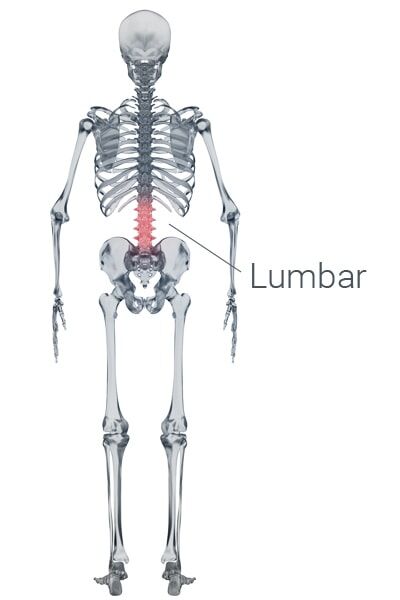
Using X-ray imaging, your doctor guides a needle toward the correct spot near the lumbar sympathetic nerves. The medication is then injected around the nerve chain to temporarily block sympathetic pain signals.
The injection is performed near the lumbar spine but is different from epidural anesthesia or an epidural steroid injection. The medication is not intended for the spinal canal or epidural space.
The procedure itself generally takes fewer than 30 minutes, although preparation and monitoring add additional time.
Side Effects of Lumbar Sympathetic Blocks
Most side effects following a lumbar sympathetic block are temporary. Patients may experience soreness at the injection site, temporary numbness, dizziness, or a short-term increase in discomfort.Less common risks can include:
- Bleeding or infection
- Temporary weakness or numbness in the legs
- Changes in blood flow or sweating
- Temporary urinary retention or bladder discomfort
- Allergic reaction to medication
Before treatment, discuss your complete health history, medications, and previous procedures with your doctor so we can determine whether a sympathetic nerve block is appropriate for you.




.svg)