Currently accepting new patients
Address


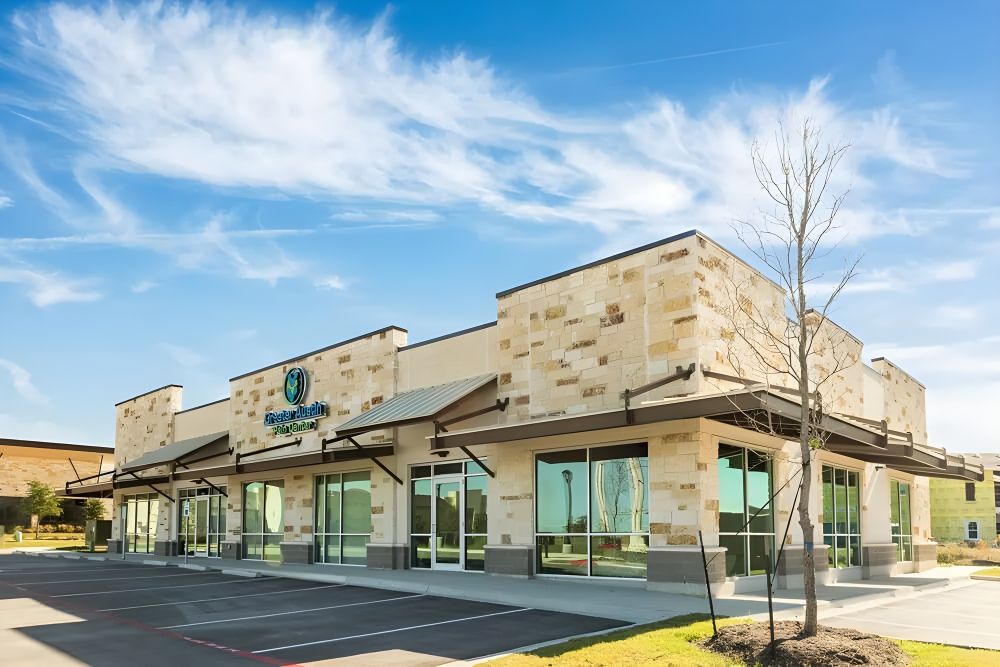
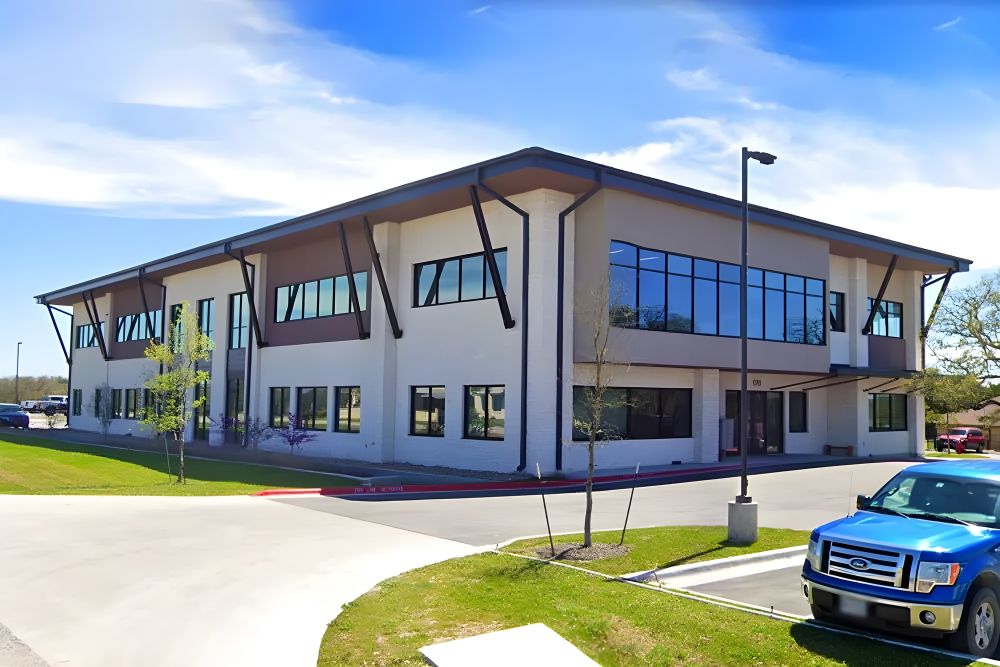
2007 Medical Pkwy, Suite B
San Marcos, TX 78666
Get Directions

Office hours

Mon - Friday: 8AM – 5PM
Weekends:
Closed

Phone

Phone: (512) 298-1645

Fax: (512) 298-1795

Accepted insurance

- Aetna
- Blue Cross/Blue Shield (BCBS)
- Champ VA
- Cigna
- CMS
- Connected Senior Care Alliance
- Friday
- GEHA
- Humana
- Medicare
- Multiplan
- Oscar
- Railroad Medicare
- Smarthealth
- Tricare
- Triwest
- United Healthcare
- WellMed
- Worker's Compensation
- Private Pay

What Is Spinal Stenosis?

For spinal stenosis treatment in San Marcos, Greater Austin Pain Center offers care for adults dealing with back, neck, or leg pain, numbness, tingling, or weakness, with options that may include conservative care, epidural steroid injections, and minimally invasive procedures such as Vertiflex and MILD. Spinal stenosis happens when narrowing or constriction in the vertebral column reduces space in the spinal canal, placing pressure on the nerves that travel from the spine into the arms or legs; it most often affects the neck and lower back and is especially common in adults over 50.

At Greater Austin Pain Center, our San Marcos pain specialists help patients identify the source of spine-related pain and determine treatment options that may reduce symptoms and improve daily function. This page explains what spinal stenosis is, what causes it, which symptoms and risk factors to watch for, how it affects the body, and which treatments may help, so you can make informed decisions before pain and mobility limits further disrupt daily activities.

Spinal disc inflammation illustration

How Does Spinal Stenosis Affect the Spinal Cord and Body?

Some people with spinal stenosis may not notice symptoms at first. When symptoms do develop, they often include pain, numbness, tingling, or weakness in the arms or legs, along with other associated symptoms. Lumbar spinal stenosis may cause leg pain that becomes worse when walking or standing for long periods and improves when sitting or bending forward, and nerve compression can also lead to radiating leg pain such as sciatica.

As spinal stenosis progresses, it can make everyday activities like walking, standing, exercising, or climbing stairs more difficult, affecting function and the ability to maintain an active lifestyle. In more severe cases, nerve compression may lead to weakness or changes in mobility.

Person holding lower back in pain while walking outdoors

Causes of Spinal Stenosis

Spinal stenosis can develop from several spine-related conditions. Common causes include aging, obesity, and previous injuries, which can contribute to ongoing back problems, including:

  • Congenital narrowing of the spinal canal
  • Osteoarthritis
  • Trauma to the spine, including prior spinal injuries
  • herniated discs
  • Thickened spinal ligaments
  • Spinal fractures related to prior trauma
  • Age-related changes in the spine, including degenerative conditions such as degenerative disc disease and other spinal issues
  • muscle strain
Woman with back pain standing up from sofa

Symptoms of Spinal Stenosis

Spinal stenosis symptoms can vary based on where the narrowing occurs, how severe it is, and which nearby nerves are affected. Common symptoms include:

  • Persistent or chronic pain in the back or neck
  • Pain in the arms or legs
  • Leg pain that worsens with walking and improves with sitting or bending forward
  • Tingling in the arms or legs
  • Numbness in the arms or legs
  • Weakness in the arms or legs
  • Difficulty walking or standing for long periods
Doctor and patient shaking hands in a medical office.

Treatments for Spinal Stenosis

Treatment for spinal stenosis depends on the severity of symptoms and the amount of nerve compression, and spinal stenosis treatment options may include conservative therapies and surgical interventions that usually start with a least invasive first approach. At Greater Austin Pain Center, treatment options may include:

  • Epidural steroid injections
  • Medications
  • Physical therapy referrals, including exercise to help strengthen the muscles that support the spine
  • Chiropractic therapy referrals
  • Indirect spinal decompression, such as the Vertiflex Superion Procedure, using advanced techniques in minimally invasive care
  • Minimally invasive lumbar decompression, also known as MILD
  • Spinal cord stimulation

Many patients get pain relief with non-surgical treatment, and your treatment plan depends on your symptoms, imaging, and response to care.

Treatment for Spinal Stenosis in San Marcos, TX

Many cases of spinal stenosis can be managed with conservative care and interventional pain management. Treatment may include medications, fluoroscopically guided injections, physical therapy, chiropractic therapy, or minimally invasive procedures designed to reduce pressure and improve symptoms, with each treatment plan based on the patient’s symptoms and medical history.

Epidural steroid injections are commonly used for spinal stenosis. These injections place corticosteroid medication into the epidural space near irritated or compressed nerves. By reducing inflammation around compressed nerves, epidural steroid injections may help relieve pain caused by spinal stenosis.

For some patients, more advanced options may be considered, including Vertiflex and MILD as minimally invasive procedures that may offer strong relief for certain types of canal stenosis, as well as spinal cord stimulation. Patients with severe stenosis, worsening leg weakness, bowel or bladder changes, or symptoms that do not improve with conservative treatment may need a surgical evaluation. Spinal surgery or spinal decompression carries potential complications such as excessive bleeding, infection, ongoing pain, nerve damage, or the need for additional surgery, and recovery time varies based on the procedure and the individual treatment plan. Surgical options are generally considered when nonsurgical care fails, or symptoms are severe.

Woman at elevators in front of San Antonio Eye Specialists sign.

Am I at Risk of Developing Spinal Stenosis?

Spinal stenosis can affect anyone, but it is more common in older adults over the age of 50 because of age-related wear in the spine.

It may also affect women more often than men.Other factors that may increase the risk of spinal stenosis and other spinal conditions, while also affecting overall spinal health, include:

  • A naturally narrow spinal canal
  • Previous spine injury
  • Prior spine surgery
  • Spinal tumors
  • Scoliosis
  • Paget’s disease
  • Arthritis, obesity, or degenerative spine changes affecting the spinal discs

Testimonials

5 gold stars

"I am so relieved I could cry! Finally a pain specialist who listens, cares, and wants to help! Dr. Alan Silberberg has given me so much hope! As someone who has seen pain specialists for decades in different states, this is where you want to come. You NEED him in your life! My only regret is not coming in sooner."

Sarah Jean C.
5 gold stars

"The staff is very friendly and I was seen on time. The intake process was seamless and efficient. Dr. Jarzombeck is always very kind and thorough in her explanations. These folks are a pleasure to work with. I highly recommend Greater Austin Pain Center and Dr. Jarzombeck!"

Kim D.
5 gold stars

"Everyone is always very nice and courteous. Dr. Julia is amazing! He is friendly, kind and caring and so easy to talk with.  All the office staff I have had contact with has always been courteous and kind as well. Would highly recommend coming here!"

Lesley C.

Frequently Asked Questions

What can I do to help reduce my chances of getting spinal stenosis?

arrow icon

Spinal stenosis is most commonly caused by age-related changes and there is not much that can be done to prevent spinal stenosis from occurring, however, you can take precautionary measures to help lower the risk of developing spinal stenosis. Some ways to help lower your risk include getting regular exercise, stretching, maintaining a healthy weight, and maintaining good posture.

Will I need surgery to treat my spinal stenosis?

arrow icon

Many conservative therapies, including medications, physical therapy, and injection therapy, all can help manage spinal stenosis. Surgical intervention is only required in rare circumstances if these conservative therapies are ineffective or if you have severe stenosis with symptoms such as leg weakness or bowel or bladder incontinence.

How can you tell if I have spinal stenosis?

arrow icon

Spinal stenosis can be diagnosed by your healthcare provider through your medical history, physical examination, and imaging of your spine. Imaging studies that your healthcare provider may order to diagnose spinal stenosis include X-Ray, MRI, CT scan, or a myelogram.

Lunch & Learn With Our Doctors

Curious about interventional pain treatments in Austin, TX? Join our doctors for an in-person lunch and learn session to find out more about these treatments and ask any questions you may have. This event will be 12–1pm, sign up below to receive more details and RSVP.

Loading security check...

Thank you! Your submission has been received!
Oops! Something went wrong while submitting the form.

Treat Spinal Stenosis at Greater Austin Pain Center

If spinal stenosis is causing back pain, neck pain, leg pain, numbness, tingling, or weakness, Greater Austin Pain Center can help. Our San Marcos pain specialists provide personalized care for patients dealing with spine-related pain and nerve compression.

With locations in Austin, Kyle, Dripping Springs, and San Marcos, our team can evaluate your symptoms and discuss treatment options designed to help reduce pain and improve mobility. Schedule an appointment with Greater Austin Pain Center today to get started

Schedule an Appointment

Relieve Your Pain Today!
Disclaimer: Using this form does not establish a patient-physician relationship. This form is not to be used for emergencies or urgent requests. Please call 911 if you have a life-threatening emergency.
By submitting this form you agree to the collection of your personal data pursuant to our privacy policy.

Loading security check...

Green padlock icon
All Information Is Secure and Confidential
Thank you! Your submission has been received!
Oops! Something went wrong while submitting the form.
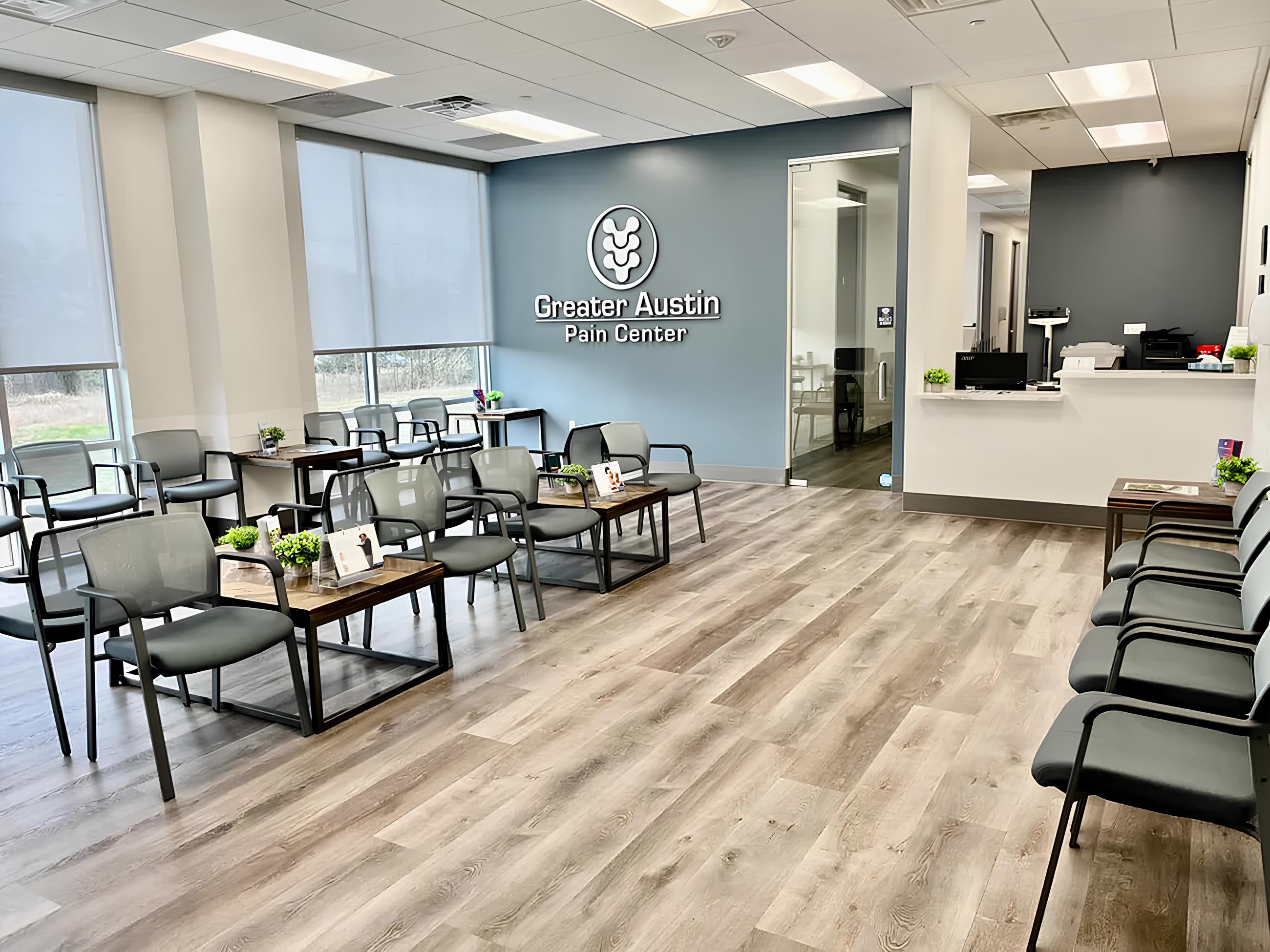
A modern medical office waiting room with gray chairs, small tables with plants and brochures, wood-style flooring, and a reception desk. The wall displays the sign "Greater Austin Pain Center."

Greater Austin Pain Center Is Hiring! Apply Online Today