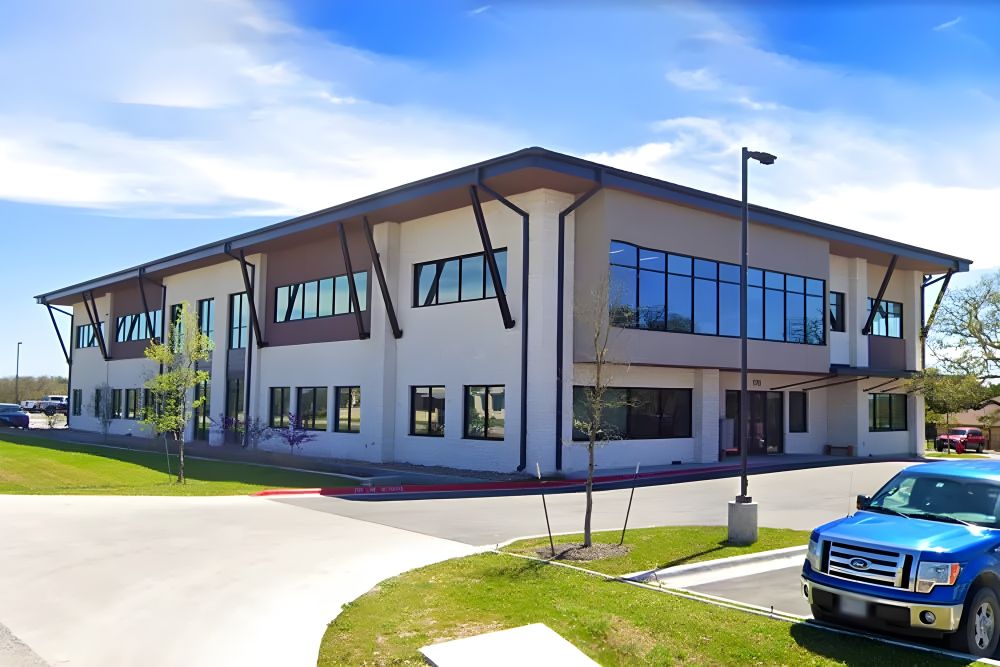
Currently accepting new patients
Address

‍
2007 Medical Pkwy, Suite B
San Marcos, TX 78666
Get Directions

Office hours

Mon - Friday: 8AM – 5PM
Weekends:
Closed

Phone

Phone: (512) 298-1645

Fax: (512) 298-1795

Accepted insurance

- Aetna
- Blue Cross/Blue Shield (BCBS)
- Champ VA
- Cigna
- CMS
- Connected Senior Care Alliance
- Friday
- GEHA
- Humana
- Medicare
- Multiplan
- Oscar
- Railroad Medicare
- Smarthealth
- Tricare
- Triwest
- United Healthcare
- WellMed
- Worker's Compensation
- Private Pay

What Are Vertebral Compression Fractures?

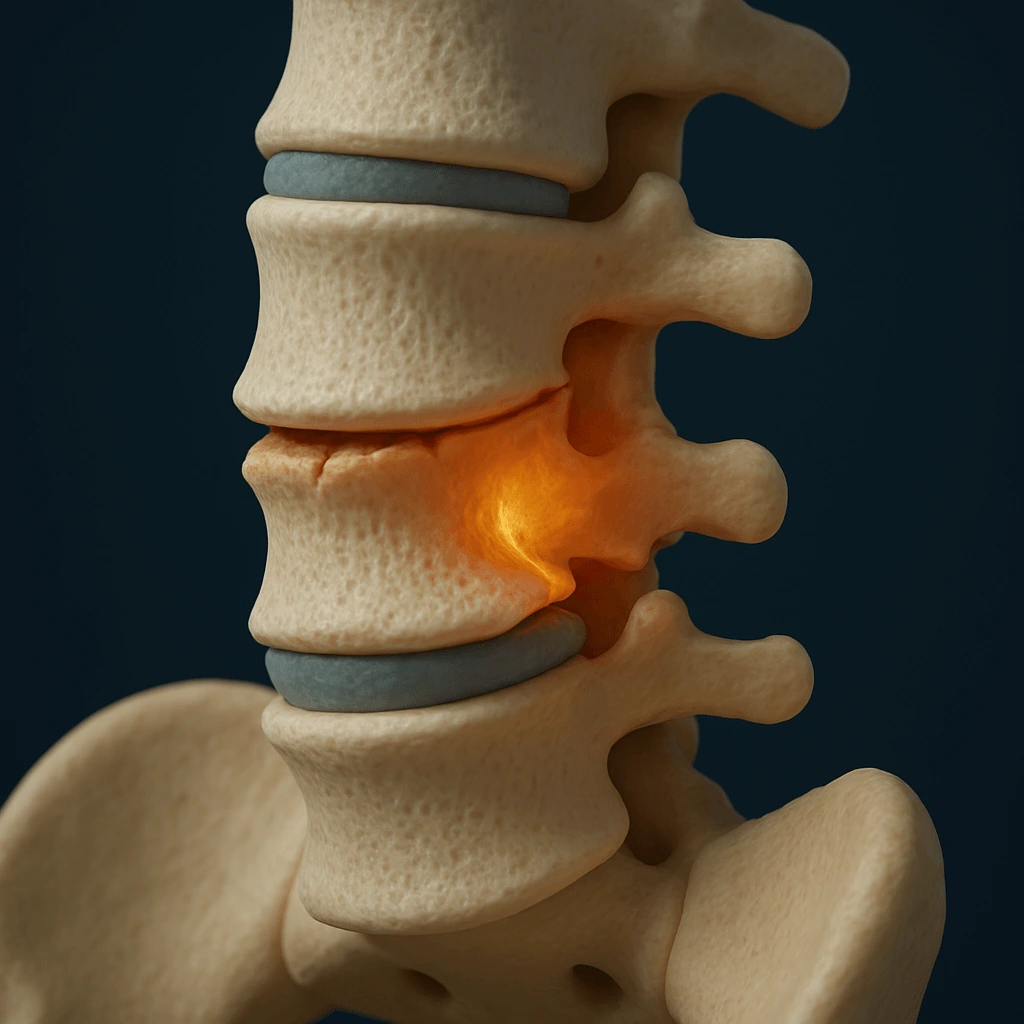
Vertebral compression fractures occur when the vertebral body in the spine collapses under pressure, reducing the height and structural integrity of the affected segment. These spinal fractures are most commonly seen in the lumbar and thoracic regions of the spine, and they can develop from a single traumatic event or accumulate over time as a result of progressive bone weakness.

A normal vertebral body is designed to bear and distribute load across the spine. When that body collapses, the surrounding soft tissues, spinal nerves, and even the spinal canal can be affected, leading to pain, deformity, and limited spinal mobility. Patients experiencing pain from a compression fracture should seek prompt medical evaluation to understand the extent of the fracture and prevent further complications.

Conditions such as osteoporosis, multiple myeloma, a metastatic tumor, a vertebral hemangioma, or a bone infection can all compromise vertebral integrity and raise the risk that a bone collapses. In some cases, a single vertebral fracture may remain manageable with conservative care, while severe compression fractures or multiple fractures may require intervention to stabilize the spine and alleviate pain.

3D illustration of lumbar vertebrae with a glowing compressed spinal bone

How Spinal Fractures Affect the Body

When a vertebral compression fracture occurs, the loss of vertebral body height can set off a chain of changes that negatively affects the spine as a whole. A collapsed vertebra places too much pressure on adjacent segments, increasing the risk of further fractures over time. If multiple fractures occur along the thoracic spine, the cumulative loss of height can produce a forward curvature of the spine, a condition sometimes called kyphosis, and visible spinal deformity.

The spinal cord and spinal nerves run through and branch out from the spinal canal. When bone fragments shift toward the spinal canal, a condition sometimes described as spinal canal presence of a fractured fragment, pressure on these structures can produce nerve pain, numbness, or tingling that extends into the limbs. In thoracic fractures, pain may also radiate around the torso toward the abdomen.

Common symptoms of vertebral compression fractures include:

  • Severe pain that worsens with movement or standing
  • Limited mobility and difficulty maintaining an upright posture
  • Pain radiating down the back or around toward the abdomen
  • Visible spinal deformity such as a hunched posture from forward curvature
  • Numbness or tingling when spinal nerves are affected
  • In some cases, neck pain if fractures occur in the cervical region
  • Gastrointestinal problems in cases with significant thoracic deformity

Left untreated, spinal fractures can lead to chronic pain, further collapse of adjacent vertebrae, and a progressive decline in quality of life. Bone weakness that contributes to one fracture often predisposes a patient to further fractures, making early intervention important.

Common Causes of Vertebral Compression Fractures

Vertebral compression fractures can happen suddenly or develop gradually depending on the underlying cause. Understanding what contributes to these fractures helps patients and clinicians identify who may be at elevated risk and take steps to reduce it.

The most common causes include:

  • Osteoporosis: A disease characterized by reduced bone density, osteoporosis is one of the leading contributors to vertebral compression fractures, especially post-menopausal women and older adults. Developing osteoporosis over time means that even minimal trauma can be enough to fracture a vertebra.
  • Trauma: Car accidents, falls from height, and other high-impact events can fracture a vertebra in people whose bone density is otherwise normal.
  • Strenuous activity: Heavy lifting or high-load exercise can place too much pressure on the spine, particularly when technique is poor or bone health is compromised.
  • Underlying spinal conditions: A metastatic tumor, multiple myeloma, a vertebral hemangioma, or a bone infection can weaken the vertebral body and increase fracture risk even without significant external force.
  • Long-term steroid use: Prolonged corticosteroid therapy is associated with bone weakness that raises fracture risk over time.

People at higher risk for spinal compression fractures include older adults with osteoporosis, individuals with a history of trauma such as car accidents, athletes and workers who regularly perform heavy lifting, and patients managing chronic conditions like diabetes or those on long-term steroid therapy. A bone scan or other diagnostic tests can help evaluate bone health and identify areas of concern before a fracture becomes more serious.

Warehouse worker in safety vest holding hard hat grimacing in back pain

Treatment Options for Vertebral Compression Fractures in San Marcos, TX

Treating vertebral compression fractures aims to relieve pain, restore spinal stability, and help patients return to their daily activities. At Greater Austin Pain Center, the approach to treating vertebral compression fractures is comprehensive, with minimally invasive procedures at the center of the treatment plan for many patients.

Kyphoplasty and the Vertebroplasty Procedure

For many patients, the most direct interventional options are Kyphoplasty/Vertebroplasty. Both are minimally invasive surgical procedures designed to stabilize a fractured vertebra and can help alleviate pain associated with vertebral compression.

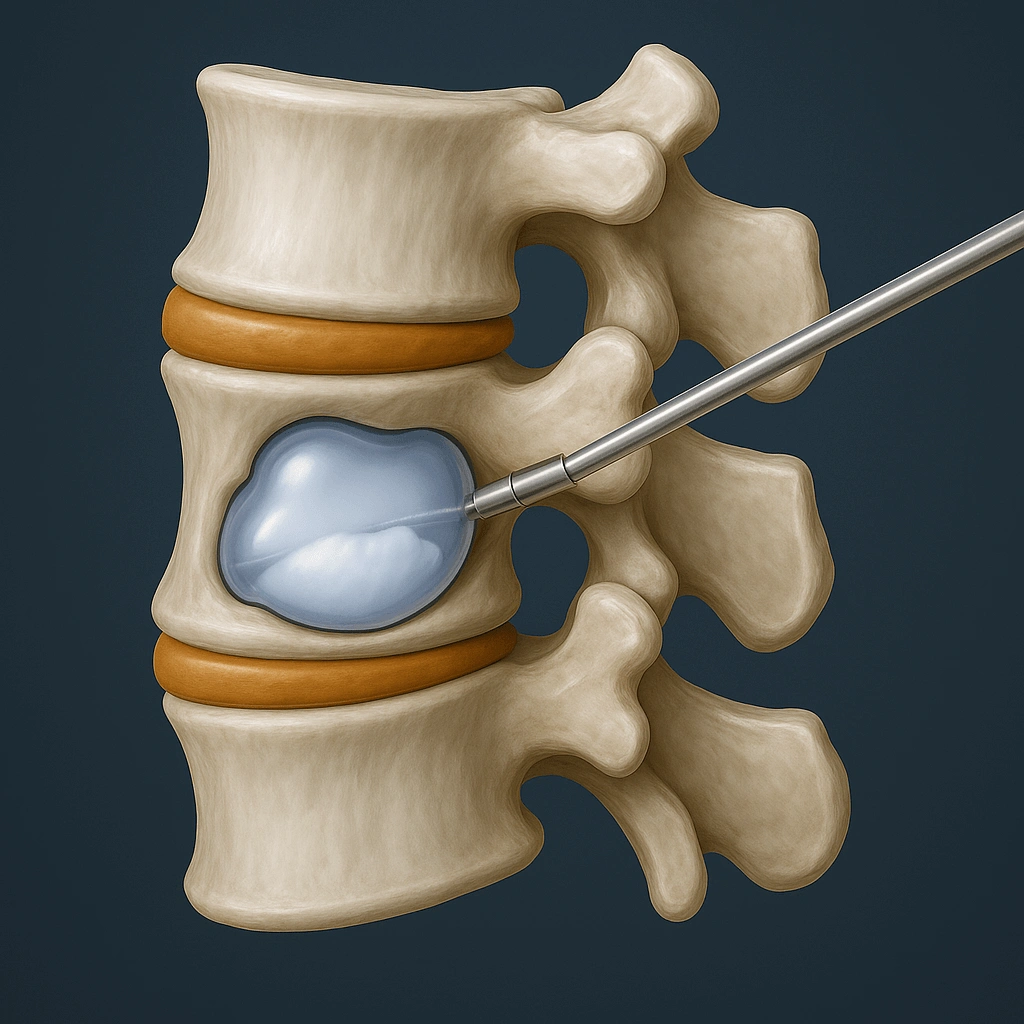
The vertebroplasty procedure involves inserting a hollow needle called a cannula through a small skin incision and into the fractured vertebra under imaging guidance. An orthopedic cement called polymethylmethacrylate, a specific type of bone cement, is then injected into the fracture site. As the cement hardens, it stabilizes the collapsed vertebra and can help relieve bone pain at the fracture site.

The kyphoplasty process builds on this approach with an additional step. A bone tamp, which is a small balloon-like device, is inserted through the hollow needle and into the affected vertebra. The bone tamp is inflated to help restore vertebral height and create a cavity before the bone cement is injected. This step may also help with averting deformity by reducing forward curvature before the orthopedic cement is placed. Both procedures are typically performed under general or local anesthesia, and the vertebroplasty procedure involves a similar skin incision and bone cement injection approach. A minimally invasive procedure performed in an outpatient setting, kyphoplasty typically does not require an overnight hospital stay.

In cases of thoracic vertebroplasty, the same bone cement technique is applied to fractures in the thoracic spine, where spinal deformity and thoracic kyphosis are particular concerns. Thoracic vertebroplasty follows comparable principles, using image-guided bone cement injection to stabilize the affected thoracic vertebral body and reduce pain.

Additional Approaches to Care

For patients where minimally invasive surgical procedures are not appropriate, or where additional support is needed alongside an interventional approach, the care team may also consider non-surgical treatment strategies. These can include bracing to support the spine during recovery and guidance on lifestyle modifications and osteoporosis management to reduce the risk of further fractures. For nerve pain that persists after the fracture has been addressed, options such as Epidural Injections or Nerve Blocks may be considered as part of a broader treatment plan. Where physical therapy or other rehabilitative care is appropriate, GAPC can coordinate referrals to support ongoing recovery.

Medical illustration showing a needle inserted into a spinal vertebra between two discs.

Your Path to Care at Greater Austin Pain Center

1

Step 1: Schedule an Appointment

Reaching out to Greater Austin Pain Center is the first step toward getting an evaluation for vertebral compression fractures. Patients in San Marcos and the surrounding area can contact our local clinic directly or call (512) 298-1645 to schedule a consultation. Our team accepts a wide range of insurance plans and is ready to help coordinate your visit.

2

Step 2: Evaluation and Diagnosis

At your initial visit, a pain specialist will review your symptoms and medical history and may order diagnostic tests such as an MRI scan, bone scan, or imaging to evaluate the spine and identify the location, severity, and number of fractures present. Understanding whether you have a single vertebral fracture or multiple fractures, and whether the spinal canal is involved, helps guide the most appropriate course of care.

3

Step 3: Personalized Treatment Plan

Based on your evaluation, your care team will develop a treatment plan tailored to your specific fracture pattern, symptoms, and overall health. For many patients, this includes a discussion of the kyphoplasty process or the vertebroplasty procedure, along with any supportive measures that may help protect the spine and reduce the risk of further fractures. The goal is to address both the immediate fracture and the underlying factors contributing to bone weakness.

4

Step 4: Ongoing Care and Follow-Up

Recovery from vertebral compression fractures is monitored through scheduled follow-up visits so that your care team can track progress, adjust the treatment plan if needed, and address any new concerns. For patients with osteoporosis or other conditions that raise the risk of future spinal fractures, ongoing management is an important part of preventing further collapse and maintaining long-term spinal health.

Testimonials

5 gold stars

"Dr. Jarzembeck is AMAZING. I HIGHLY recommend her for anyone suffering in pain. She goes above and beyond to make sure her patients pain has been dealt with."

Genia G.
5 gold stars

"Everyone is so friendly and helpful, Dr. Bednar came to me and explained the procedure and answered my questions. Highly recommend!"

Maggie G.
5 gold stars

"Dr. Julia is the best! The staff is professional and friendly to all. Best of all, Dr. Julia is finding solutions for my chronic pain! Never thought that it would be possible. It's a journey for me, but it seems like there is a solution."

Nancy M.

Frequently Asked Questions

Can vertebral compression fractures heal on their own?

arrow icon

Some minor compression fractures may improve with rest and conservative, non-surgical treatment over time. However, severe compression fractures, fractures that cause significant spinal deformity, or fractures in patients with ongoing bone weakness often benefit from interventional treatment such as kyphoplasty or vertebroplasty to restore stability and alleviate pain. A prompt evaluation helps determine which approach is appropriate for your situation.

What is the difference between kyphoplasty and the vertebroplasty procedure?

arrow icon

Both procedures use bone cement injected into a fractured vertebra to stabilize it and help relieve pain. The vertebroplasty procedure involves injecting bone cement directly into the fractured vertebra through a hollow needle. Kyphoplasty adds a step where a bone tamp is inserted and inflated at the fracture site to help restore vertebral height and create a cavity before the orthopedic cement is placed. Your care team will discuss which approach may be more appropriate based on the nature and location of your fracture.

Is kyphoplasty or vertebroplasty covered by insurance?

arrow icon

In many cases, kyphoplasty and vertebroplasty are covered by insurance when they are deemed medically necessary. Greater Austin Pain Center accepts a wide range of plans, including Medicare, and our team can help you understand your benefits before your procedure.

How soon can I expect pain relief after treatment?

arrow icon

Many patients report meaningful improvement in pain within a few days following kyphoplasty or vertebroplasty. Individual results vary depending on the severity of the fracture, the number of vertebrae treated, and the patient's overall health. Your care team will provide specific guidance on what to expect during recovery.

Who is most at risk for developing vertebral compression fractures?

arrow icon

People at higher risk include older adults with osteoporosis (especially post-menopausal women), individuals who have experienced significant trauma such as car accidents or falls, workers and athletes who perform heavy lifting regularly, and patients with conditions such as multiple myeloma, a metastatic tumor, or those on long-term steroid therapy. A bone scan or other diagnostic tests can help assess fracture risk for patients with concerns about bone health.

Can I return to normal activities after treatment for a compression fracture?

arrow icon

After kyphoplasty or vertebroplasty, many patients are able to gradually return to light activities as recovery progresses. Heavy lifting and strenuous exercise are generally avoided during the initial recovery phase. Your care team in San Marcos will provide a recovery timeline and activity guidance tailored to your specific treatment and overall condition.

Lunch & Learn With Our Doctors

Curious about interventional pain treatments in Austin, TX? Join our doctors for an in-person lunch and learn session to find out more about these treatments and ask any questions you may have. This event will be 12–1pm, sign up below to receive more details and RSVP.

Loading security check...

Thank you! Your submission has been received!
Oops! Something went wrong while submitting the form.

Contact Greater Austin Pain Center for Compression Fracture Care

If you are experiencing back pain from a vertebral compression fracture, the pain specialists at Greater Austin Pain Center are here to help. With locations in Austin, Kyle, Dripping Springs, and San Marcos, TX, our team serves patients across Central Texas with evidence-based, minimally invasive care. Call us at (512) 298-1645 or schedule online to take the first step toward a comprehensive evaluation and a treatment plan designed around your needs.

Schedule an Appointment

Relieve Your Pain Today!
Disclaimer: Using this form does not establish a patient-physician relationship. This form is not to be used for emergencies or urgent requests. Please call 911 if you have a life-threatening emergency.
By submitting this form you agree to the collection of your personal data pursuant to our privacy policy.

Loading security check...

Green padlock icon
All Information Is Secure and Confidential
Thank you! Your submission has been received!
Oops! Something went wrong while submitting the form.
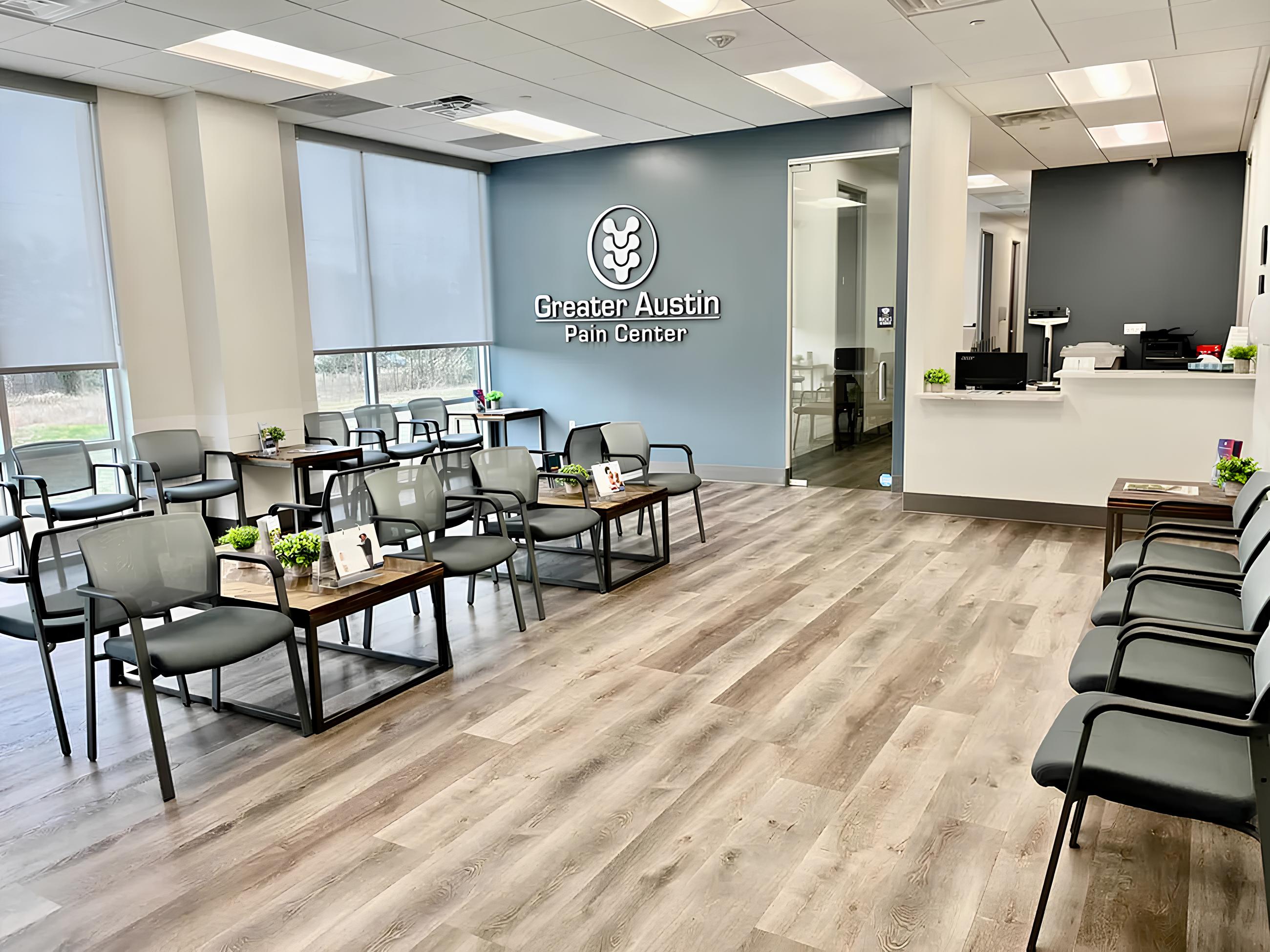
A modern medical office waiting room with gray chairs, small tables with plants and brochures, wood-style flooring, and a reception desk. The wall displays the sign "Greater Austin Pain Center."

Greater Austin Pain Center Is Hiring! Apply Online Today