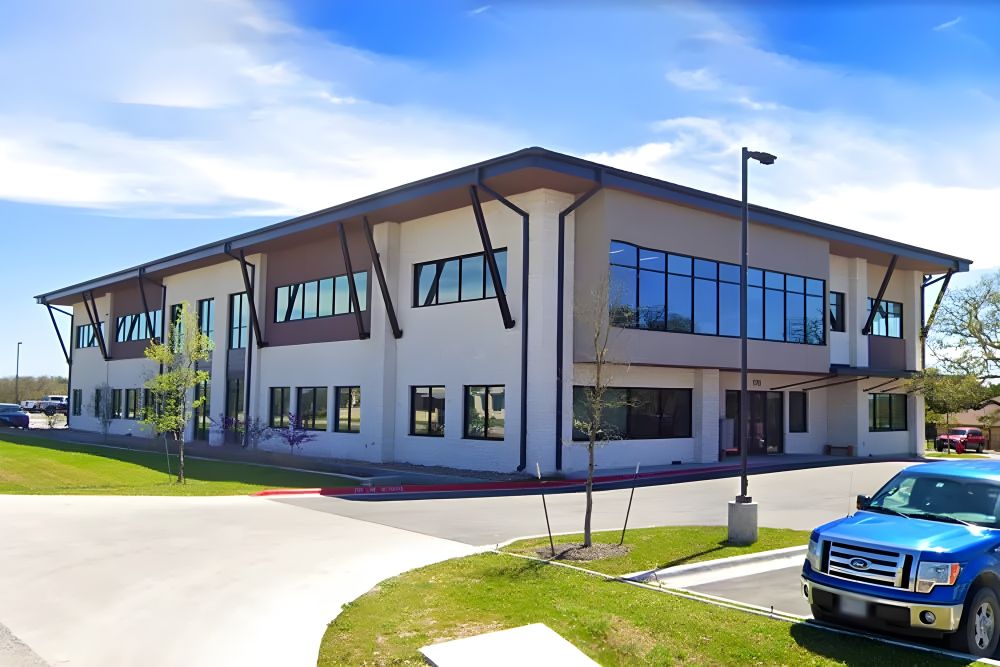
Currently accepting new patients
Address

‍
2007 Medical Pkwy, Suite B
San Marcos, TX 78666
Get Directions

Office hours

Mon - Friday: 8AM – 5PM
Weekends:
Closed

Phone

Phone: (512) 298-1645

Fax: (512) 298-1795

Accepted insurance

- Aetna
- Blue Cross/Blue Shield (BCBS)
- Champ VA
- Cigna
- CMS
- Connected Senior Care Alliance
- Friday
- GEHA
- Humana
- Medicare
- Multiplan
- Oscar
- Railroad Medicare
- Smarthealth
- Tricare
- Triwest
- United Healthcare
- WellMed
- Worker's Compensation
- Private Pay

What Is Spondylosis?

Spondylosis refers to the degeneration of the spinal column, most commonly associated with aging and general wear and tear on the vertebrae. In its more specific form, it describes spinal osteoarthritis, a process that primarily affects the vertebral bodies, neural foramina, and facet joints. As these structures change over time, the spine loses some of its normal cushioning and stability, and the space between vertebrae can narrow in ways that place pressure on surrounding nerves.

Severe cases of spondylosis can lead to compression of the spinal cord or spinal nerves, which may result in back pain, numbness, balance issues, and muscle weakness. Because spondylosis exists on a spectrum, many individuals experience only mild discomfort, while others develop symptoms that significantly affect their quality of life and ability to perform everyday tasks. A spine specialist can help determine how advanced the condition is and which treatment options are appropriate for each specific condition and patient.

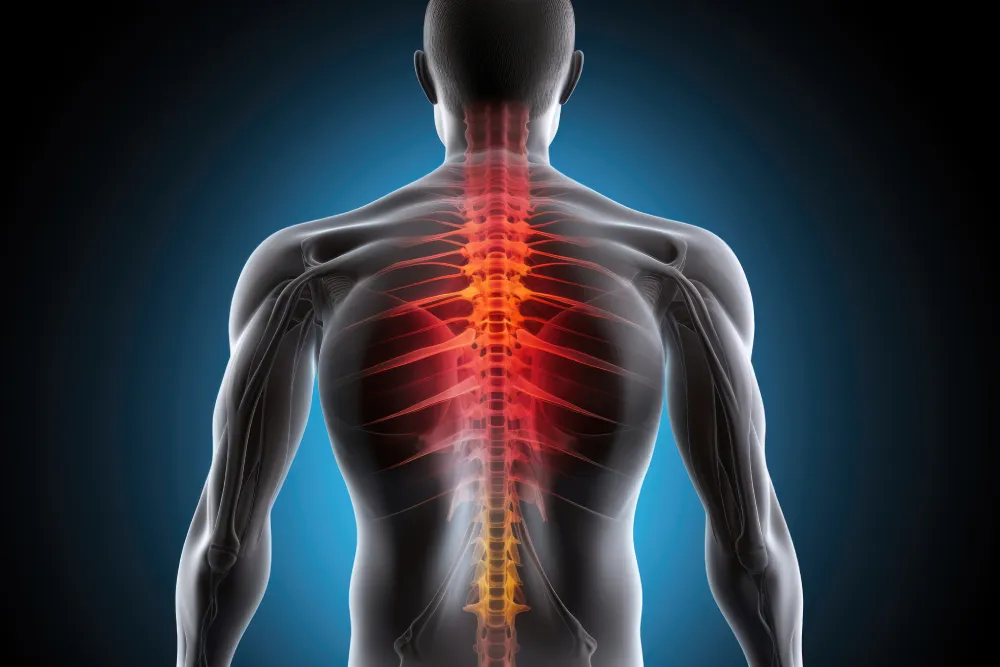
Illustration of a man's spine in pain.

How Spondylosis Affects Daily Life: Back Pain, Nerve Pain, and More

Spondylosis can affect different regions of the spine, and the symptoms that arise depend on where degeneration occurs. Cervical spondylosis develops in the neck and is a common source of chronic neck pain and stiffness that may also radiate into the shoulders. Lumbar spondylosis affects the lower back and can cause a dull ache or sharp back pain that makes daily life, including simple activities like sitting, standing, and bending, more difficult and reduces overall mobility.

As the spaces between vertebrae narrow, pressure on the nerves can develop. This may produce radiculopathy, a condition in which irritated spinal nerves generate radiating pain, numbness, or tingling into the arms or legs, patterns similar to those seen in sciatica. In more advanced cases, direct pressure on the spinal cord can cause myelopathy, which may affect balance, coordination, and bladder control. Spondylosis is also closely related to spinal stenosis, a narrowing of the spinal canal that places additional stress on nearby nerve structures and can lead to further discomfort with activity. Compression fractures of the vertebrae are another complication that can arise in patients with underlying degenerative changes, particularly those with osteoporosis, and may produce sudden, severe back pain that requires prompt diagnosis and treatment.

Common Symptoms

  • Neck pain or low back pain, sometimes with a dull ache that becomes sharper with movement
  • Reduced flexibility, mobility, and range of motion in the spine
  • Radiating pain into the arms, shoulders, hips, or legs
  • Numbness, tingling, or weakness in the limbs
  • Muscle spasms and tension
  • Stiffness that worsens after periods of sitting or standing
  • Clicking or grinding sensations from the spine
  • Balance difficulties or unsteady gait in severe cases

Causes of Spondylosis: Who Is at Risk?

Spondylosis develops when the structural components of the spine break down over time. Spinal discs gradually lose hydration and shrink, reducing the cushioning between vertebrae. As the spine adapts, bone spurs may form in an attempt to stabilize the area, but these can press against nearby nerves and lead to pain or weakness. Herniated discs, in which tears in the outer disc wall allow the inner material to protrude, are another common finding in patients with spondylosis and can contribute to nerve compression and pain that radiates beyond the spine into the legs, hips, or arms.

Additional contributors to degenerative spinal conditions include:

  • Wear and tear from repetitive strain, including heavy lifting or prolonged sitting
  • Spinal injury from accidents, including car accidents or falls
  • Genetics, which can predispose some individuals to earlier degeneration
  • Muscle strain from poor posture or overuse
  • Osteoporosis or osteopenia, which can increase the likelihood of vertebral fractures alongside degenerative changes

Spondylosis can also be congenital, meaning some patients are born with structural factors that make them more susceptible. Those at elevated risk include older adults, individuals with arthritis or reduced bone density, people who have experienced trauma, and athletes or workers who frequently hyperextend the back, such as gymnasts and football players. Understanding the underlying cause of a patient's specific condition is an essential step in building an effective, tailored treatment plan.

Older woman in yellow holding lower back.

Treatment Options for Spondylosis in San Marcos, TX

At Greater Austin Pain Center, our specialists take a structured, stepwise approach to treating spondylosis. The goal is to identify the most effective, least invasive method to reduce pain, restore function, and support each patient's quality of life, while reserving more intensive procedures for cases that do not respond to earlier measures. Our team takes pride in providing expert care that is tailored to each patient's specific needs, diagnosis, and recovery goals.

Care typically begins with conservative management. Rehabilitation and physical therapy are commonly recommended to strengthen the muscles that support the spine, improve mobility, and regain range of motion. Your care team may coordinate physical therapy or chiropractic referrals for ongoing rehabilitative support alongside in-office interventional care, since these modalities can complement the procedures GAPC offers directly. Lifestyle modifications, including adjustments to posture, activity levels, and daily tasks, can help patients manage symptoms, prevent further disc degeneration, and protect spinal health over time. Medications such as NSAIDs, muscle relaxants, nerve medications, and heat therapy protocols may be used to help relieve pain and manage symptoms during this initial phase, though they address symptoms rather than the underlying structural changes. Patients experiencing symptoms related to other conditions, such as migraines or knee pain, can also consult with our team to address those needs alongside their spondylosis care.

When conservative measures are insufficient, interventional procedures available at our San Marcos clinic include:

  • Epidural Injections, which can help reduce inflammation around compressed nerve roots and provide relief from radiculopathy and spinal stenosis-related symptoms
  • Radiofrequency Ablation, a minimally invasive procedure used to treat chronic pain from the facet joints adjacent to degenerative spinal segments
  • Spinal Cord Stimulators, which may be considered when nerve pain is severe and persists despite other treatments
  • Indirect Spinal Decompression, a minimally invasive procedure that can help address spinal canal narrowing associated with spondylosis and spinal stenosis
  • Nerve Blocks, which may assist in diagnosing and managing pain stemming from specific spinal nerves
  • Kyphoplasty/Vertebroplasty, a minimally invasive procedure used to treat vertebral compression fractures that can arise in patients with advanced degenerative changes

For patients whose spondylosis involves significant structural instability or whose symptoms have not responded to these approaches, surgical consultation with spine surgeons may be appropriate. GAPC's specialists can discuss referral options when surgical fixation or fusion is being considered. Each treatment plan is tailored to the patient's specific condition and clinical picture, with the aim of providing the highest quality care and helping patients live more actively at every stage of recovery.

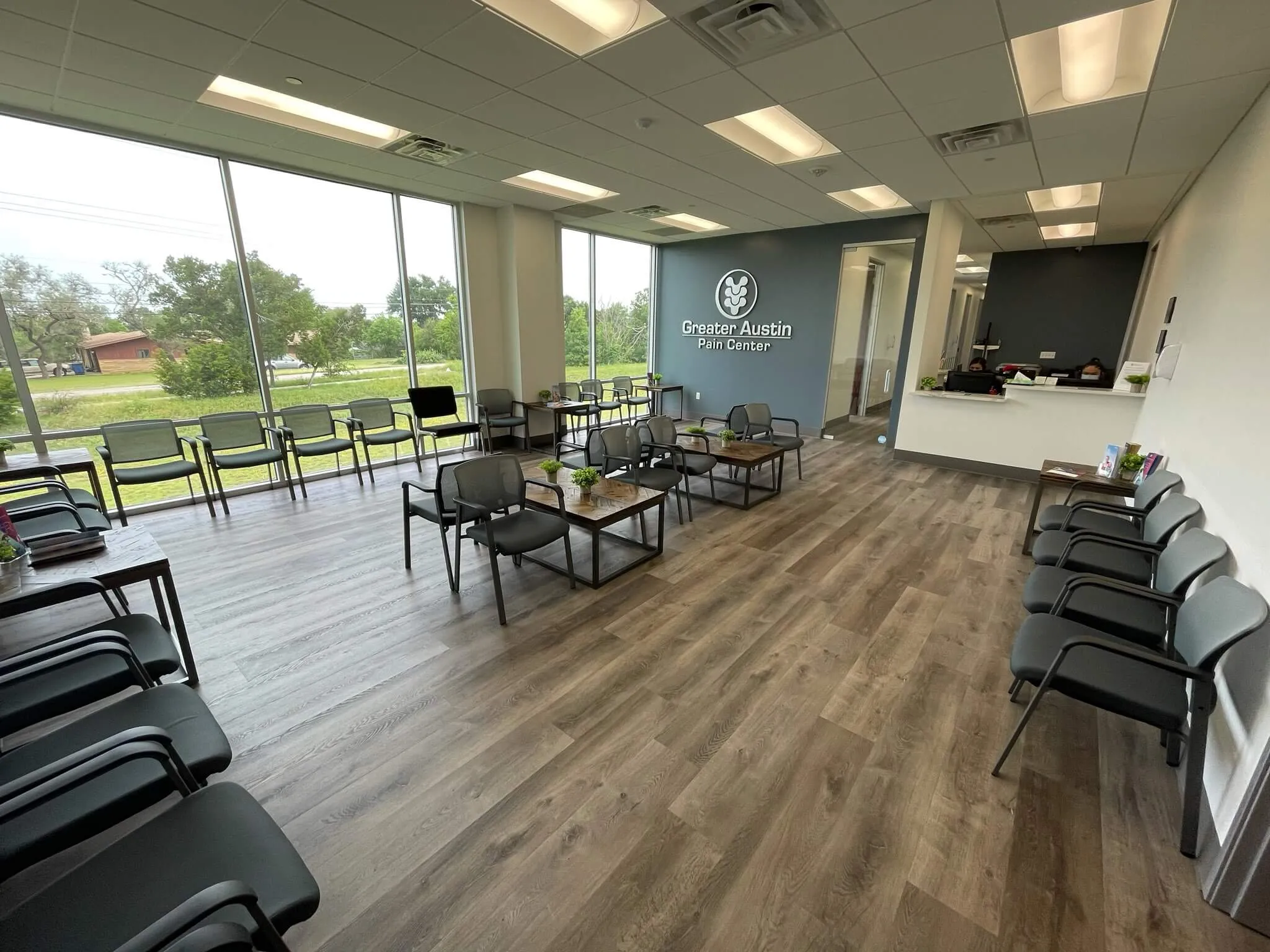
Greater Austin Pain Center waiting room with chairs and large windows.

Getting Care at Greater Austin Pain Center

1

Step 1: Schedule an Appointment

If you are struggling with back pain, neck stiffness, or other spondylosis symptoms, do not hesitate to reach out. Residents of San Marcos, TX and the surrounding Central Texas area can schedule a visit at our clinic by calling (512) 298-1645 or using our online scheduling tool. Our friendly staff is ready to assist you and is currently accepting new patients.

2

Step 2: Evaluation and Diagnosis

Your initial visit includes a thorough review of your symptoms, medical history, and any prior imaging such as x-rays or MRI results. Our specialists focus on diagnosing the specific condition affecting your spine, including whether nerve compression, disc degeneration, fractures, or spinal stenosis are contributing to your symptoms. Accurate diagnosis is essential to building a treatment plan that can effectively address your needs.

3

Step 3: Personalized Treatment Plan

Based on the evaluation, your care team will develop a tailored treatment plan designed to treat your specific condition and help you regain function and mobility. This plan may incorporate minimally invasive procedures performed in-office, referrals for rehabilitation or physical therapy, and lifestyle guidance to support your recovery and long-term spinal health. You can expect a transparent conversation about your options and what to expect at each point in your care.

4

Step 4: Ongoing Care and Follow-Up

Spondylosis is a degenerative condition, and managing it well over time requires consistent follow-up. Your care team will monitor your progress, reassess your symptoms, and refine your treatment plan to improve results over the months ahead. The goal is to help you maintain function, stay active, and enhance your quality of life over the long term.

Testimonials

5 gold stars

"Dr. Jarzembeck is AMAZING. I HIGHLY recommend her for anyone suffering in pain. She goes above and beyond to make sure her patients pain has been dealt with."

Genia G.
5 gold stars

"Everyone is so friendly and helpful, Dr. Bednar came to me and explained the procedure and answered my questions. Highly recommend!"

Maggie G.
5 gold stars

"Dr. Julia is the best! The staff is professional and friendly to all. Best of all, Dr. Julia is finding solutions for my chronic pain! Never thought that it would be possible. It's a journey for me, but it seems like there is a solution."

Nancy M.

Frequently Asked Questions

What is the difference between spondylosis and degenerative disc disease?

arrow icon

Spondylosis is a broad term for age-related degeneration of the spinal column, encompassing changes to the vertebral bodies, facet joints, and neural foramina, and is often described as a form of spinal arthritis. Degenerative disc disease refers more specifically to the breakdown of the spinal discs themselves. The two conditions frequently occur together, and both can contribute to spinal stenosis, nerve compression, weakness, and chronic back pain. A spine specialist can clarify which specific conditions are present based on your imaging and symptoms.

Is spondylosis preventable?

arrow icon

Some patients are born with structural factors that make spondylosis more likely, so it is not always preventable. For cases related to lifestyle and activity, patients may reduce risk by avoiding repeated hyperextension of the low back, maintaining good posture, managing body weight, and minimizing exposure to trauma such as falls or accidents. Staying physically active with appropriate movement patterns can also help strengthen the muscles that support the spine and reduce the likelihood of early degeneration.

Can spondylosis be treated without surgery?

arrow icon

Many patients with spondylosis are managed successfully without surgery. Treatment typically begins with conservative measures including rehabilitation, physical therapy, and medications such as NSAIDs, muscle relaxants, or nerve medications. When those are insufficient, minimally invasive interventional procedures like epidural injections or radiofrequency ablation can help relieve pain and improve function. Patients who do not respond adequately to these non-surgical treatments may be candidates for a surgical consultation, including spinal fusion in appropriate cases.

Is spondylosis dangerous?

arrow icon

In most cases, spondylosis does not lead to permanent damage, and many individuals remain asymptomatic or experience only mild discomfort. However, patients with nerve symptoms such as persistent weakness, numbness, or tingling in the arms or legs should seek medical attention, as prolonged nerve compression without appropriate treatment may lead to more lasting problems in some cases. A pain specialist can help determine the level of urgency based on your specific situation and diagnosis.

Who is most at risk for developing spondylosis?

arrow icon

Spondylosis is most commonly associated with aging, but certain factors can increase risk at any age. These include having arthritis, osteoporosis or osteopenia, a history of spinal injury, involvement in activities that repeatedly stress the spine such as gymnastics or contact sports, jobs that require heavy lifting or prolonged sitting, and prior trauma from accidents or falls. Some patients are also born with a genetic predisposition to early degenerative disc changes. Patients in the San Marcos, Texas area who have questions about their risk can consult with our team at Greater Austin Pain Center.

When should I seek medical attention for spondylosis symptoms?

arrow icon

You should consider seeing a spine specialist if you are experiencing persistent back pain or neck pain that is not improving with rest, pain that radiates into your arms or legs, numbness or tingling, muscle weakness, or difficulty with balance or coordination. These symptoms can indicate nerve compression or other spinal conditions that benefit from early diagnosis and treatment. Patients in the San Marcos area are welcome to contact Greater Austin Pain Center and schedule an appointment with our providers.

Lunch & Learn With Our Doctors

Curious about interventional pain treatments in Austin, TX? Join our doctors for an in-person lunch and learn session to find out more about these treatments and ask any questions you may have. This event will be 12–1pm, sign up below to receive more details and RSVP.

Loading security check...

Thank you! Your submission has been received!
Oops! Something went wrong while submitting the form.

Find Spondylosis Relief at Our San Marcos Pain Clinic

If back pain, neck pain, nerve pain, or other spondylosis symptoms are making it harder to live the life you deserve, the specialists at Greater Austin Pain Center are committed to helping you find relief. Our San Marcos, TX clinic accepts new patients and our team is ready to guide you toward a tailored treatment plan. We also serve patients at our additional locations in Austin, Kyle, and Dripping Springs, making expert care easy to find across Central Texas. Call us at (512) 298-1645 or schedule online today.

Schedule an Appointment

Relieve Your Pain Today!
Disclaimer: Using this form does not establish a patient-physician relationship. This form is not to be used for emergencies or urgent requests. Please call 911 if you have a life-threatening emergency.
By submitting this form you agree to the collection of your personal data pursuant to our privacy policy.

Loading security check...

Green padlock icon
All Information Is Secure and Confidential
Thank you! Your submission has been received!
Oops! Something went wrong while submitting the form.
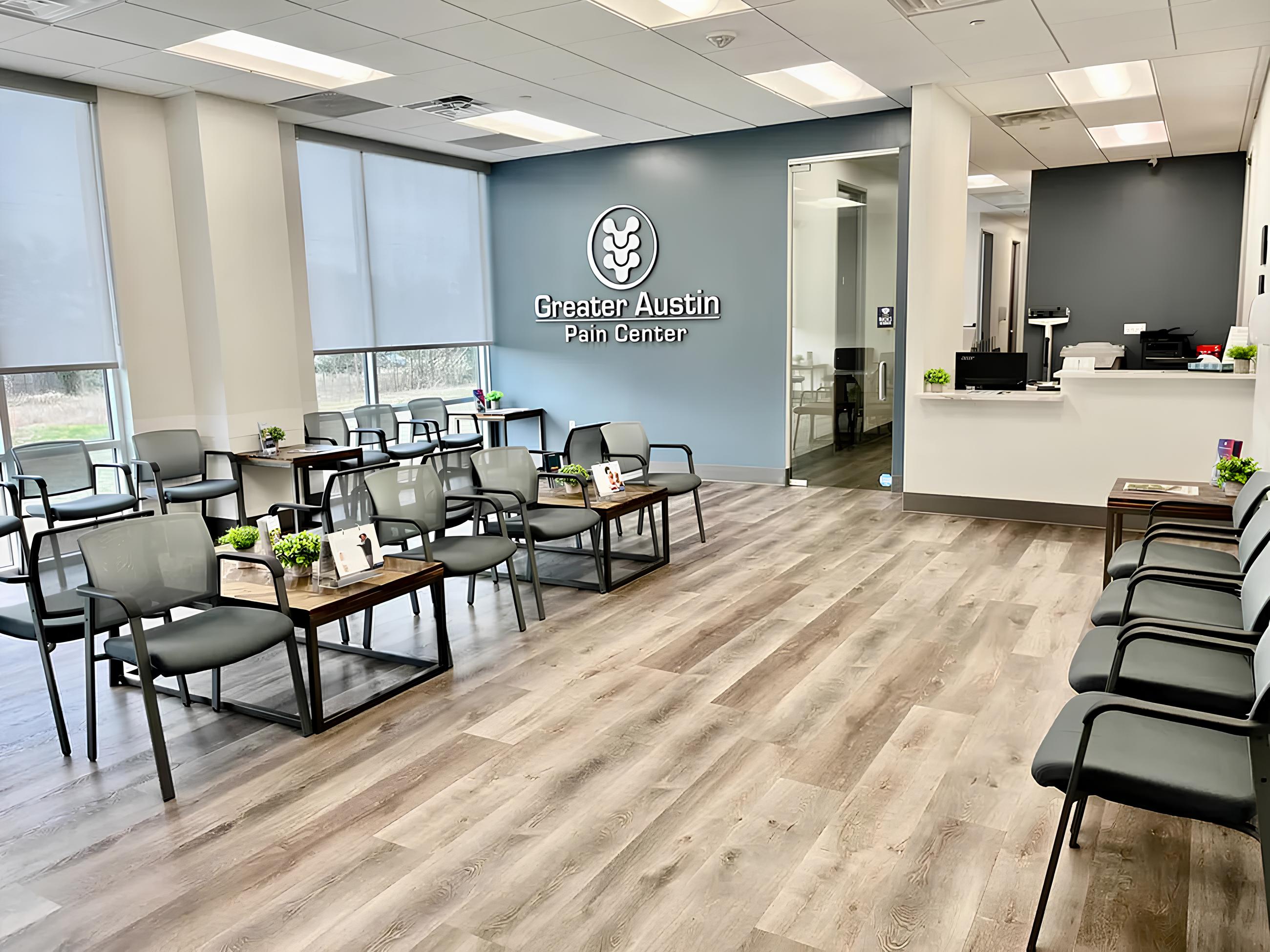
A modern medical office waiting room with gray chairs, small tables with plants and brochures, wood-style flooring, and a reception desk. The wall displays the sign "Greater Austin Pain Center."

Greater Austin Pain Center Is Hiring! Apply Online Today