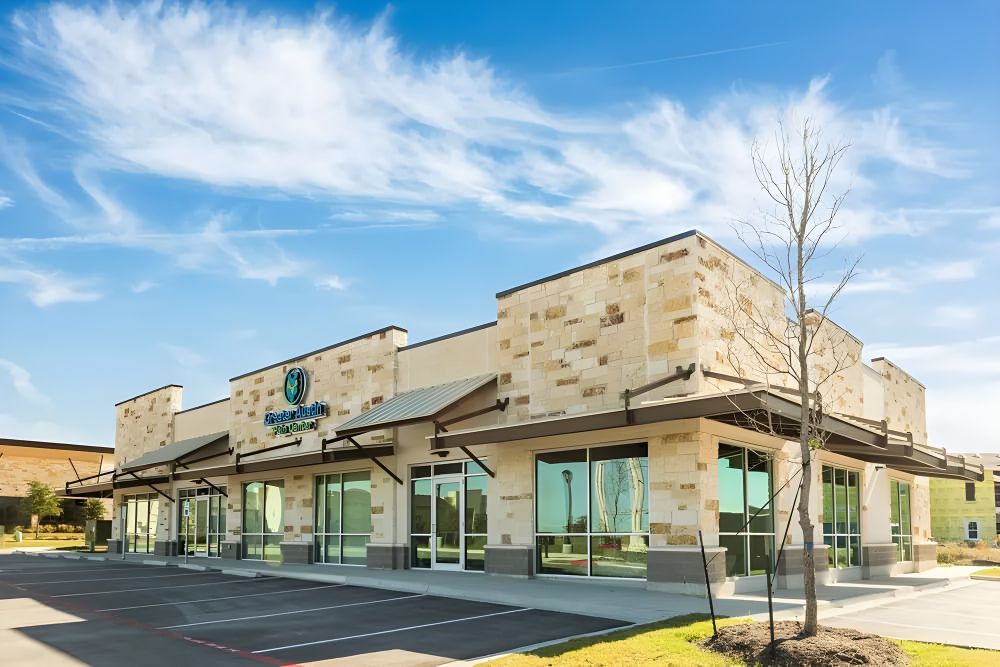
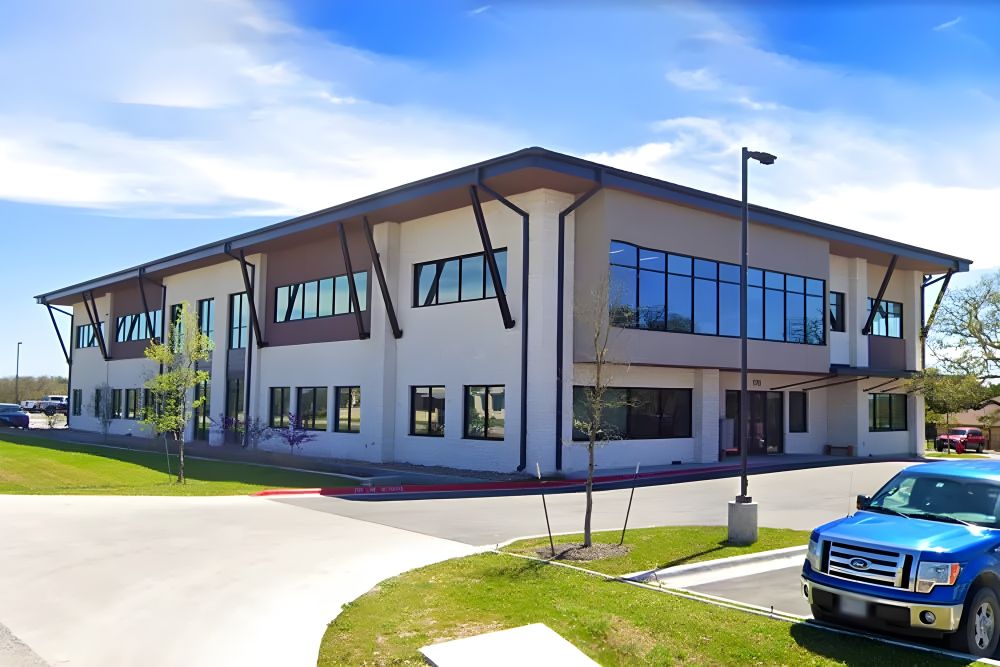
Currently accepting new patients
Address

‍
2007 Medical Pkwy, Suite B
San Marcos, TX 78666
Get Directions

Office hours

Mon - Friday: 8AM – 5PM
Weekends:
Closed

Phone

Phone: (512) 298-1645

Fax: (512) 298-1795

Accepted insurance

- Aetna
- Blue Cross/Blue Shield (BCBS)
- Champ VA
- Cigna
- CMS
- Connected Senior Care Alliance
- Friday
- GEHA
- Humana
- Medicare
- Multiplan
- Oscar
- Railroad Medicare
- Smarthealth
- Tricare
- Triwest
- United Healthcare
- WellMed
- Worker's Compensation
- Private Pay

What Is Spondylolisthesis?

Spondylolisthesis refers to a condition in which one vertebra shifts forward or backward relative to an adjacent vertebra. While it is most common in the lower back, it can occur anywhere along the spinal column, including the neck. The degree of slippage varies from mild to significant, and the underlying cause can differ from person to person.

This condition may develop due to age-related degenerative disc disease, trauma such as a fall or accident, spinal fractures (including fractures of the pars interarticularis), or it may be congenital, meaning a person is born with spinal abnormalities that predispose them to vertebral slippage. Understanding the underlying cause is an important part of building an effective treatment plan.

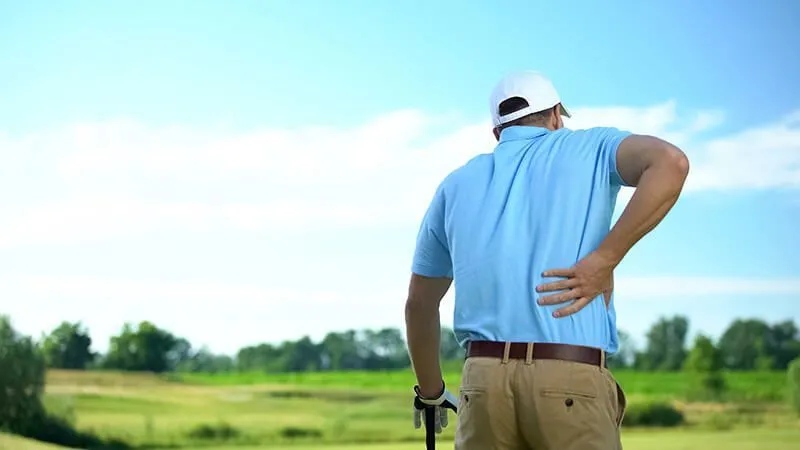
Spinal health can be affected at any age, and spondylolisthesis is among the spinal conditions that pain specialists commonly evaluate in patients across a wide range of backgrounds and activity levels.

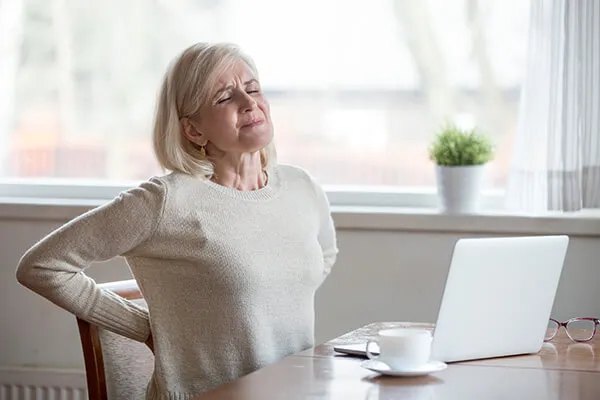
Middle-aged woman grimacing and holding her lower back while sitting at desk.

How Spondylolisthesis Affects the Spinal Cord, Nerves, and Daily Life

When adjacent vertebrae shift out of alignment, the resulting displacement can narrow the spinal canal or the neuroforamen, the openings through which spinal nerves exit the spine. This nerve compression can produce a range of symptoms that extend beyond the back itself, often radiating into the legs or, in cervical cases, the arms and neck.

Common Symptoms

  • Back pain, which may present as a dull ache or sharper, activity-related pain
  • Numbness, tingling, or cramping in the legs or arms
  • Weakness in the lower or upper extremities
  • Symptoms resembling sciatica, including radiating pain down one or both legs
  • Coolness or unusual sensations in the extremities
  • Neck pain in cases involving the cervical spine

These symptoms can affect a patient's ability to perform daily tasks, maintain an active lifestyle, or engage in the physical activities that support overall well-being. When spinal issues interfere with function and comfort over time, they become a chronic pain concern that warrants professional evaluation.

Spondylolisthesis shares certain features with other spinal conditions such as spinal stenosis, herniated discs, and degenerative disc disease, all of which involve nerve compression or changes to the structures of the spine. A thorough evaluation by a spine doctor helps distinguish the specific source of symptoms and guides the most appropriate course of treatment.

Risk Factors and Common Causes of Spondylolisthesis

Spondylolisthesis can develop in a wide range of patients. There is no single cause, and some individuals develop the condition without an identifiable risk factor. That said, certain factors are more commonly associated with vertebral slippage.

Causes

  • Age-related degenerative changes, including wear on spinal discs and joints
  • Fractures of the pars interarticularis, which can allow a vertebra to slip forward
  • Trauma from spinal injuries, such as those sustained in falls or motor vehicle accidents
  • Congenital spinal abnormalities present from birth
  • Stress fractures related to repetitive spinal loading, particularly in athletes

Who May Be at Higher Risk

Patients with a family history of spinal conditions, those who have experienced vertebral compression fractures, and individuals whose daily life or work involves significant physical demands on the spine may be more likely to develop spondylolisthesis. Age is also a contributing factor, as degenerative disc disease and related spinal changes become more common over time. Maintaining a healthy weight and avoiding unnecessary strain on the spine are general wellness steps, though they do not guarantee prevention, since some causes are outside a person's control.

Older man holding his lower back while woman supports him with concern

Non-Surgical Treatments and Spinal Care Options in San Marcos

At Greater Austin Pain Center's San Marcos, TX location, spine specialists work with each patient to develop a treatment plan tailored to the severity of their condition and their specific symptoms. The goal is to reduce pain, restore function, and improve quality of life through the most appropriate combination of interventions.

Conservative Treatments

Many patients with spondylolisthesis respond well to conservative treatments. Medications such as NSAIDs, muscle relaxers, gabapentin, and other agents may be used as part of a broader treatment plan to help alleviate pain and reduce inflammation. Your care team may also recommend physical therapy to help strengthen the muscles that support the spine and improve range of motion. Physical therapy is not provided directly by GAPC, but our team can coordinate referrals as part of your overall care.

Interventional and Minimally Invasive Treatments

When conservative treatments alone are not sufficient to reduce pain, interventional procedures may be appropriate. These minimally invasive treatments target the nerves and structures directly involved in causing pain. Options that spine specialists at GAPC may consider include:

When Surgery May Be Considered

In severe cases where the spine is significantly unstable or where conservative and interventional treatments have not provided adequate relief, a referral to a spine surgeon may be appropriate. Spinal fusion surgery is sometimes used to stabilize the affected vertebrae and reduce ongoing nerve compression. GAPC works collaboratively with surgical specialists and can coordinate that referral as part of your ongoing care.

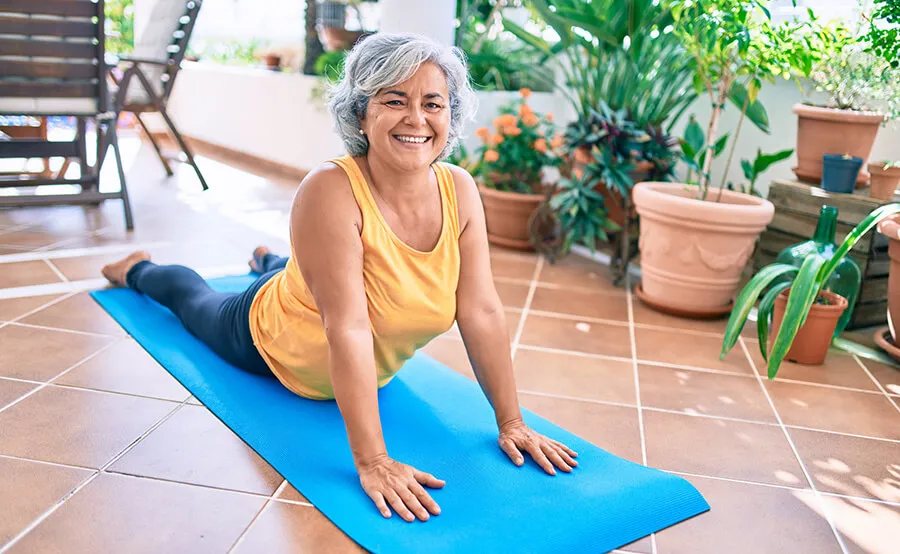
Smiling older woman doing a cobra yoga stretch on a blue mat outdoors

Getting Care for Spinal Conditions at Greater Austin Pain Center

1

Step 1: Schedule an Appointment

The first step is contacting Greater Austin Pain Center to schedule an evaluation at our San Marcos, TX clinic. Our office is currently accepting new patients and can help determine whether your symptoms and spinal health history are consistent with spondylolisthesis or another condition requiring specialist attention.

2

Step 2: Evaluation and Diagnosis

Your appointment will include a thorough physical examination and a review of your symptoms, medical history, and any relevant family history of spinal conditions. Imaging of the spine, typically X-rays and sometimes MRI, is usually performed to visualize the degree of vertebral slippage and assess involvement of the spinal canal or nearby nerves.

3

Step 3: Personalized Treatment Plan

Based on the evaluation findings, your spine doctor will work with you to develop a personalized treatment plan. This may combine medications, interventional procedures, referrals for physical therapy, and other modalities tailored to the underlying cause and severity of your spondylolisthesis. The plan is designed to reduce pain, improve function, and support your long-term spinal health.

4

Step 4: Ongoing Care and Follow-Up

Spondylolisthesis is often a chronic condition that benefits from ongoing management rather than a single procedure. Your care team will schedule follow-up visits to monitor your response to treatment, adjust the plan as needed, and help you maintain the improvements in function and daily life that treatment may bring. Patients who suffer from persistent or recurring symptoms are encouraged to stay engaged with their care plan over time.

Testimonials

5 gold stars

"Dr. Jarzembeck is AMAZING. I HIGHLY recommend her for anyone suffering in pain. She goes above and beyond to make sure her patients pain has been dealt with."

Genia G.
5 gold stars

"Everyone is so friendly and helpful, Dr. Bednar came to me and explained the procedure and answered my questions. Highly recommend!"

Maggie G.
5 gold stars

"Dr. Julia is the best! The staff is professional and friendly to all. Best of all, Dr. Julia is finding solutions for my chronic pain! Never thought that it would be possible. It's a journey for me, but it seems like there is a solution."

Nancy M.

Frequently Asked Questions

What is spondylolisthesis and how is it different from other spinal conditions like herniated discs or degenerative disc disease?

arrow icon

Spondylolisthesis specifically refers to one vertebra slipping out of position relative to adjacent vertebrae, either forward or backward. Herniated discs involve the soft material inside a spinal disc pushing outward and pressing on nearby nerves. Degenerative disc disease refers to the gradual breakdown of the spinal discs themselves over time. All three conditions can cause back pain and nerve-related symptoms, and they sometimes occur together, but the underlying structural problem differs. A spine doctor can help determine which condition or combination of spinal conditions is responsible for a patient's symptoms.

What are the most common symptoms of spondylolisthesis?

arrow icon

The most commonly reported symptoms include low back pain, leg pain, and tingling or numbness in the legs. Some patients also experience weakness in the lower extremities or symptoms similar to sciatica. In cases affecting the cervical spine, neck pain and weakness or numbness in the arms may occur. Symptoms can range from mild and intermittent to significant enough to interfere with daily tasks and overall quality of life.

Is spondylolisthesis preventable?

arrow icon

Not always. Spondylolisthesis can develop for a variety of reasons, including congenital factors, age-related degeneration, and spinal injuries that are not always predictable or avoidable. While maintaining a healthy weight and avoiding excessive strain on the spine may support general spinal health, they do not guarantee prevention. The good news is that multiple treatment options are available to help manage symptoms and reduce their impact on daily life.

What non-surgical treatments are available for spondylolisthesis?

arrow icon

Conservative treatments such as medications including NSAIDs, muscle relaxers, and gabapentin are often a starting point for reducing pain and inflammation. Interventional procedures such as epidural injections and nerve blocks can help alleviate pain related to nerve compression. Indirect spinal decompression is a minimally invasive treatment option that may reduce pressure on the spinal canal. Your care team may also recommend physical therapy to support strength and range of motion as part of your overall treatment plan. The right combination depends on the severity of your condition and your individual goals.

When is spinal fusion or surgery considered for spondylolisthesis?

arrow icon

Surgery, including spinal fusion to stabilize the affected vertebrae, is typically considered in severe cases where there is significant spinal instability or when conservative and interventional treatments have not provided sufficient relief. A referral to a spine surgeon would be made in collaboration with your pain specialist based on imaging findings and your overall clinical picture. Most patients are evaluated for and managed with non-surgical options first.

Does Greater Austin Pain Center see new patients in San Marcos, TX?

arrow icon

Yes. Greater Austin Pain Center is currently accepting new patients at our San Marcos location at 2007 Medical Pkwy., Suite B, San Marcos, TX 78666. Patients from across the region, including communities along the I-35 corridor south of Austin, are welcome to schedule an evaluation with our team of spine specialists.

Lunch & Learn With Our Doctors

Curious about interventional pain treatments in Austin, TX? Join our doctors for an in-person lunch and learn session to find out more about these treatments and ask any questions you may have. This event will be 12–1pm, sign up below to receive more details and RSVP.

Loading security check...

Thank you! Your submission has been received!
Oops! Something went wrong while submitting the form.

Find Back Pain Relief at Our San Marcos, TX Location

If back pain, leg symptoms, or other signs of a spinal condition are affecting your daily life, Greater Austin Pain Center's San Marcos, TX clinic is here to help. Contact us at (512) 298-1645 to schedule an appointment or request one online. Our spine specialists also serve patients from Austin, Kyle, and Dripping Springs, giving patients across Central Texas access to expert pain care close to home.

Schedule an Appointment

Relieve Your Pain Today!
Disclaimer: Using this form does not establish a patient-physician relationship. This form is not to be used for emergencies or urgent requests. Please call 911 if you have a life-threatening emergency.
By submitting this form you agree to the collection of your personal data pursuant to our privacy policy.

Loading security check...

Green padlock icon
All Information Is Secure and Confidential
Thank you! Your submission has been received!
Oops! Something went wrong while submitting the form.
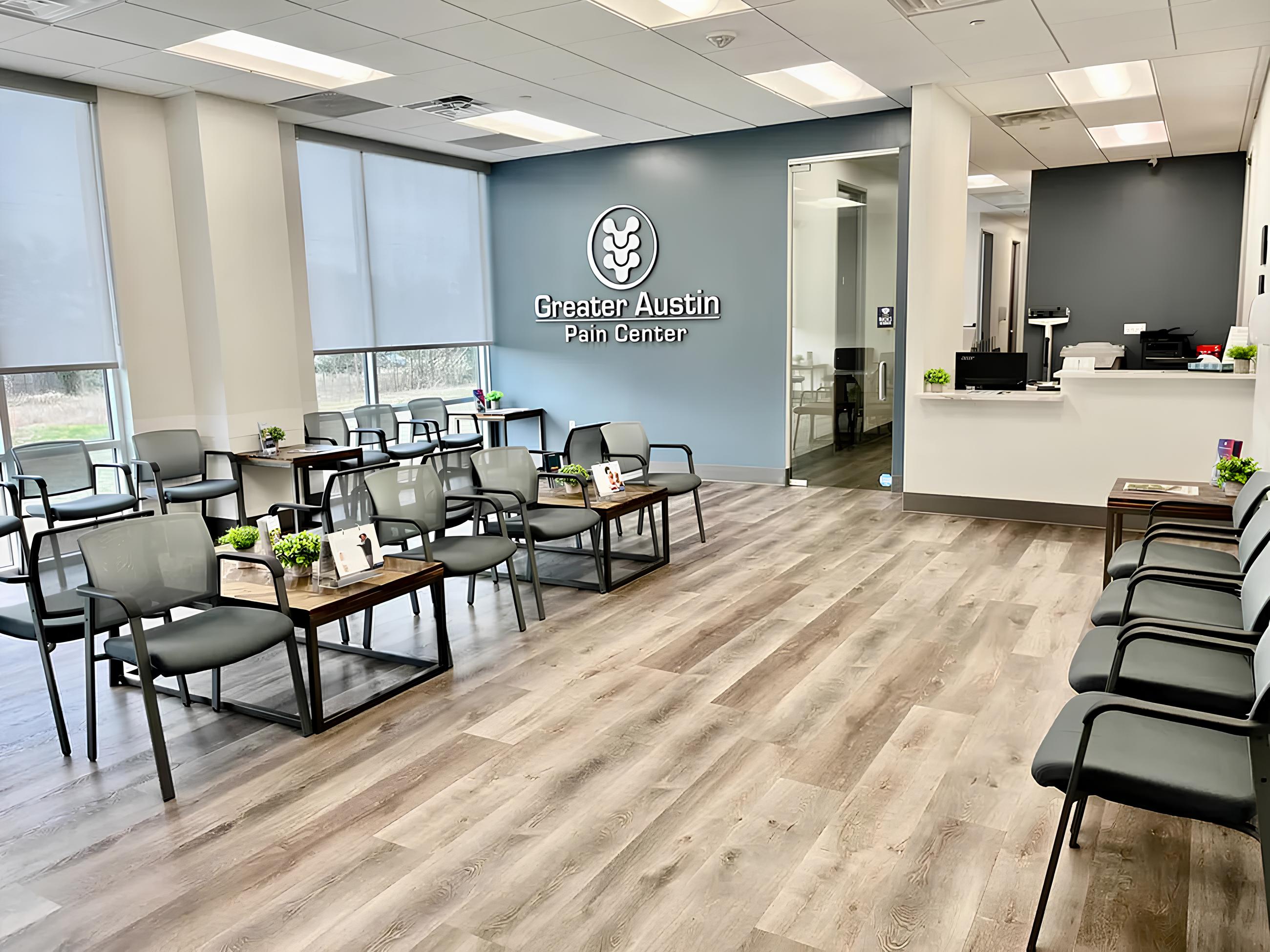
A modern medical office waiting room with gray chairs, small tables with plants and brochures, wood-style flooring, and a reception desk. The wall displays the sign "Greater Austin Pain Center."

Greater Austin Pain Center Is Hiring! Apply Online Today