Currently accepting new patients
Address

‍
2007 Medical Pkwy, Suite B
San Marcos, TX 78666
Get Directions

Office hours

Mon - Friday: 8AM – 5PM
Weekends:
Closed

Phone

Phone: (512) 298-1645

Fax: (512) 298-1795

Accepted insurance

- Aetna
- Blue Cross/Blue Shield (BCBS)
- Champ VA
- Cigna
- CMS
- Connected Senior Care Alliance
- Friday
- GEHA
- Humana
- Medicare
- Multiplan
- Oscar
- Railroad Medicare
- Smarthealth
- Tricare
- Triwest
- United Healthcare
- WellMed
- Worker's Compensation
- Private Pay

What Is Shingles (Herpes Zoster)?

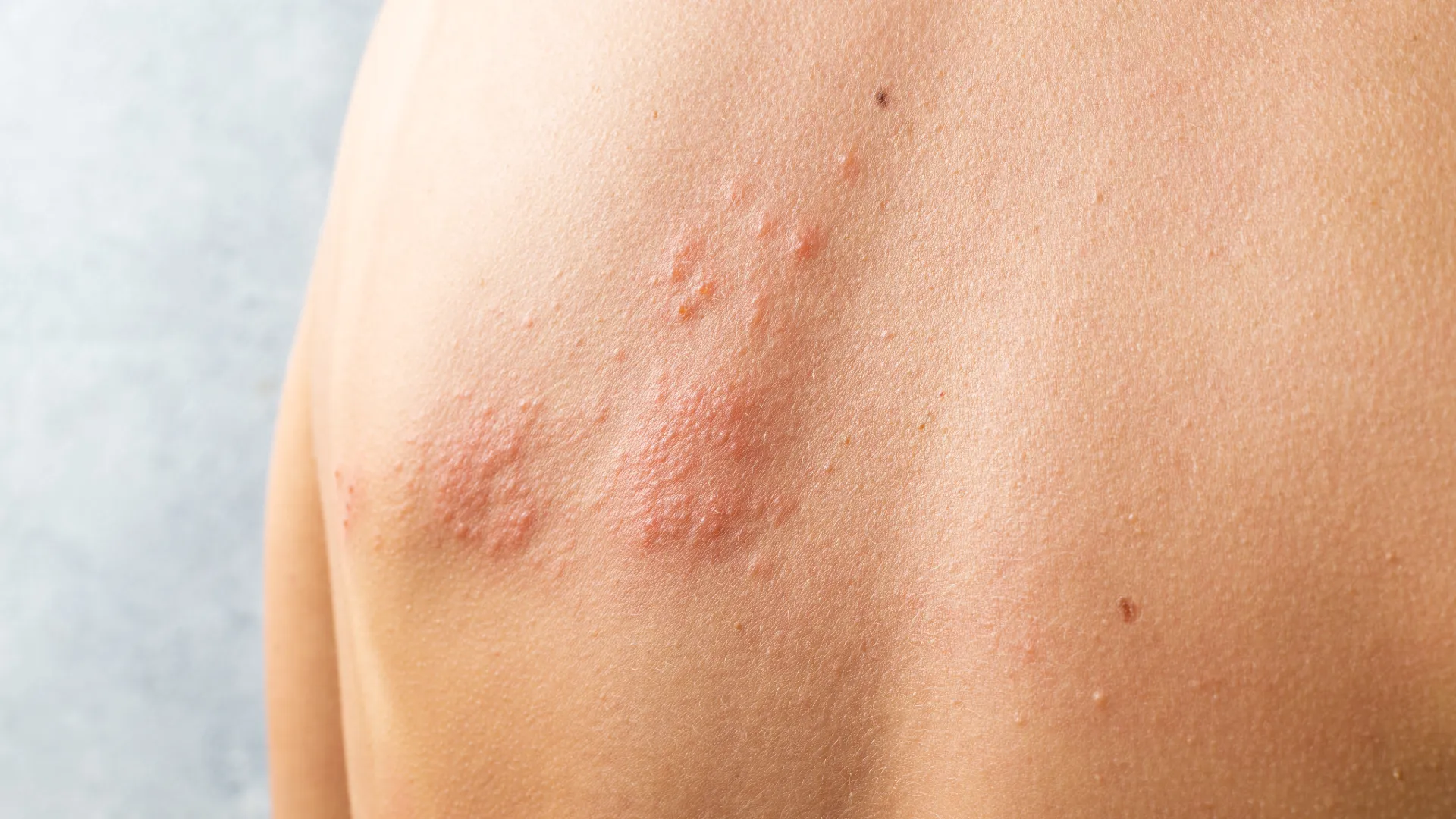
Shingles, also known as herpes zoster, is a viral infection caused by the varicella zoster virus, the same virus responsible for chickenpox. After a person recovers from chickenpox, the virus lies dormant in the nervous system rather than leaving the body entirely. Years or decades later, the virus can reactivate as shingles, producing a painful rash that typically appears as a band of fluid filled blisters on one side of the body.

Shingles can develop in anyone who has previously had chickenpox, though it is most common in older adults and in people with weakened immune systems. Early intervention is important because prompt medical care can reduce the severity of the illness, shorten the duration of the outbreak, and lower the risk of complications such as postherpetic neuralgia.

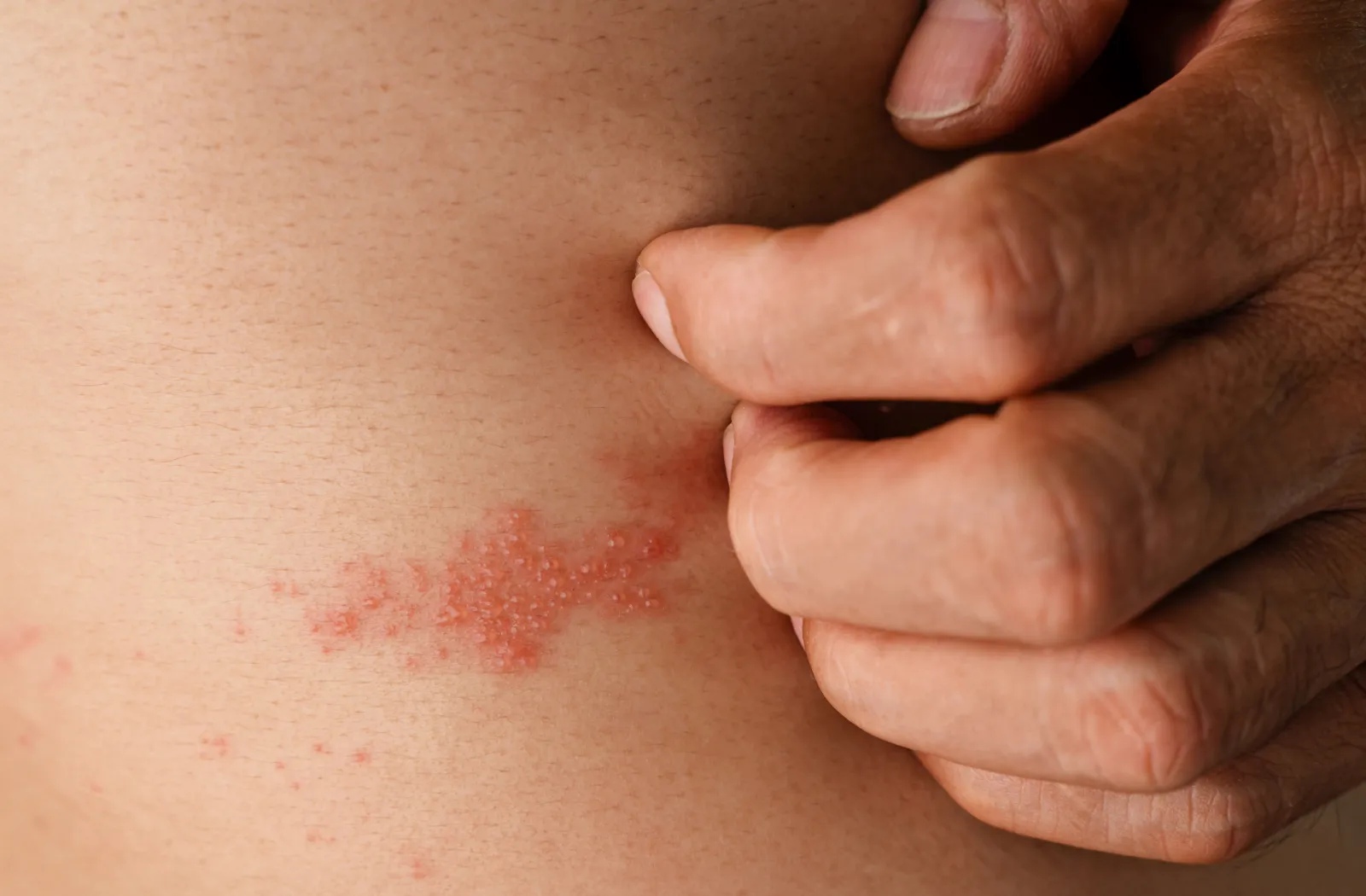
Close-up of a red blistering rash on a person's side being scratched

How Shingles Affects the Body: Common Symptoms and Nerve Pain

Because herpes zoster is a viral infection that directly involves the nervous system, the discomfort it causes goes beyond ordinary skin irritation. The virus travels along nerve pathways, producing inflammation and damage that can result in severe pain even before the rash appears. Understanding the most common symptoms can help patients seek medical care quickly, which matters because early treatment is most effective within the first 72 hours of symptom onset.

The most common symptoms of a shingles outbreak include:

  • Pain or burning along a nerve pathway, often the first sign before any rash appears
  • A red, blistering painful rash that develops on one side of the body, frequently across the torso or face
  • Tingling or itching in the affected area of skin
  • Fluid filled blisters that crust over as the rash heals
  • Fever and fatigue in the early stages of the illness
  • Headache and general discomfort
  • Numbness in the skin surrounding the rash

For many patients, the discomfort does not end when the rash heals. A condition called postherpetic neuralgia can develop when nerve damage from the virus causes chronic nerve pain that persists for months or even years after the skin has cleared. Postherpetic neuralgia is the most common complication of shingles and one of the primary reasons patients seek ongoing pain management care.

Risk Factors for Developing Shingles

Anyone who has had chickenpox carries the varicella zoster virus in a dormant state and is therefore at some lifetime risk of developing shingles. However, several factors can increase the likelihood that the virus will reactivate, or that the resulting illness will be more severe.

  • Age: Adults over 50 are at higher risk, because the immune system naturally becomes less effective with age. Older adults are also more likely to experience severe pain and complications such as postherpetic neuralgia.
  • Weakened immune system: Conditions such as cancer, HIV, or treatments like chemotherapy can result in weakened immune systems, making it easier for the dormant varicella zoster virus to reactivate. Patients with weakened immune systems are also at higher risk of serious complications.
  • Chronic medical conditions: Conditions like diabetes can further compromise immune function, increasing the chances of developing shingles.
  • Physical stress: Physical stress as well as emotional stress can suppress the immune system, creating conditions that allow herpes zoster to re-emerge.
  • History of chickenpox: A prior chickenpox illness is a prerequisite for developing shingles, since the same virus causes both conditions.
  • Not receiving the shingles vaccine: Going without vaccination removes a significant layer of protection, particularly for adults 50 and older.
Older couple walking with bicycle in park

Shingles Treatment Options: Antiviral Medication, Pain Relief, and More

At Greater Austin Pain Center, the goal when managing shingles is to reduce the severity of the outbreak, relieve symptoms, and prevent complications from developing or worsening. A shingles doctor at GAPC will review your medical history, assess your current symptoms, and work with you to build a treatment approach suited to where you are in the course of the illness.

Antiviral Medication

Antiviral medication is typically the first step when treating an active shingles outbreak. Medications such as acyclovir, valacyclovir, and famciclovir are commonly prescribed to help reduce the severity and duration of the rash. These antiviral medications are most effective when started early, ideally within 72 hours of the time the rash appears. Early treatment with antivirals can also help lower the risk of developing postherpetic neuralgia.

Pain Relief Strategies

Shingles pain can range from uncomfortable to debilitating, and pain relief is a central part of any treatment plan. Depending on the nature and intensity of a patient's nerve pain, healthcare providers may consider several approaches:

  • Topical agents such as lidocaine patches or capsaicin cream applied to the affected skin to reduce localized discomfort
  • Oral steroids to help reduce inflammation during an acute outbreak
  • Tricyclic antidepressants such as amitriptyline, which are often prescribed for postherpetic neuralgia to help manage chronic nerve pain
  • Anti-seizure medications such as gabapentin or pregabalin, which are frequently prescribed to address nerve pain

Interventional Pain Management

For patients whose shingles pain persists or evolves into postherpetic neuralgia, interventional options may be appropriate. Nerve Blocks can help interrupt pain signals traveling along affected nerve pathways and may be used to relieve symptoms in certain cases. Peripheral Nerve Stimulation is another option that may be considered for patients experiencing ongoing nerve pain that has not responded adequately to medication-based approaches. Your care team will discuss whether these or other interventional treatments are appropriate based on your individual situation.

The Shingles Vaccine

The shingles vaccine (Shingrix) is the most effective preventive measure available for adults 50 and older. The vaccine can significantly reduce the risk of developing shingles and its complications. Even patients who have already had a shingles outbreak may benefit from vaccination to help reduce the likelihood of a future episode. Your doctor can advise whether the vaccine is appropriate for your circumstances.

Early Intervention

Across every stage of treatment, early intervention remains the most consistent factor in reducing complications. Patients who seek medical care promptly and begin antiviral medication early typically experience shorter, less severe outbreaks and are at lower risk of developing postherpetic neuralgia. If you suspect you are developing shingles, do not wait to contact a shingles doctor.

Doctor examining patient's arm indoors.

Getting Shingles Care at Greater Austin Pain Center

1

Step 1: Schedule an Appointment

Because early intervention can meaningfully affect how shingles progresses, it is worth contacting a doctor as soon as you notice symptoms. Patients in San Marcos, TX and the surrounding area can reach the Greater Austin Pain Center clinic directly to schedule an appointment. Same-week availability may be possible depending on symptom timing.

2

Step 2: Evaluation and Medical History Review

At your appointment, a provider will review your medical history, assess your current symptoms, and determine how far the outbreak has progressed. This evaluation helps clarify whether you are in the active phase of herpes zoster, in recovery, or experiencing the persistent nerve pain associated with postherpetic neuralgia. Understanding where you are in the course of the illness guides the choice of treatment.

3

Step 3: Personalized Treatment Plan

Based on your evaluation, your care team will develop a treatment plan tailored to your specific needs. For patients seen early in the outbreak, this often centers on antiviral medication and pain relief support. For patients dealing with postherpetic neuralgia or ongoing nerve pain, the plan may incorporate prescription medications, topical agents, or interventional options such as nerve blocks. Your doctor will explain the options and help you understand what to expect.

4

Step 4: Ongoing Care and Follow-Up

Shingles does not always resolve quickly, and some patients require continued management of nerve pain and discomfort for weeks or longer. Follow-up appointments allow your care team to monitor how symptoms are responding to treatment, adjust medications if needed, and address complications like postherpetic neuralgia if they develop. The goal is to support recovery and protect your quality of life throughout the process.

Testimonials

5 gold stars

"Dr. Jarzembeck is AMAZING. I HIGHLY recommend her for anyone suffering in pain. She goes above and beyond to make sure her patients pain has been dealt with."

Genia G.
5 gold stars

"Everyone is so friendly and helpful, Dr. Bednar came to me and explained the procedure and answered my questions. Highly recommend!"

Maggie G.
5 gold stars

"Dr. Julia is the best! The staff is professional and friendly to all. Best of all, Dr. Julia is finding solutions for my chronic pain! Never thought that it would be possible. It's a journey for me, but it seems like there is a solution."

Nancy M.

Frequently Asked Questions

What are the most common symptoms of shingles?

arrow icon

The most common symptoms of shingles include a painful rash that appears on one side of the body, often as fluid filled blisters that crust over as the rash heals. Many patients also experience burning, tingling, or itching in the affected skin before or alongside the rash. Other symptoms can include fever, fatigue, headache, and numbness in the area surrounding the rash. Pain or burning along a nerve pathway is often the earliest sign, sometimes appearing before the rash itself.

How long does a shingles outbreak typically last?

arrow icon

The shingles rash typically lasts about 2 to 4 weeks. However, the nerve pain associated with shingles can continue well after the rash heals. In some cases, pain persists for months or years, a complication known as postherpetic neuralgia. Early treatment with antiviral medication can help shorten the duration of the outbreak and reduce the risk of prolonged pain.

Can the shingles vaccine help prevent future outbreaks?

arrow icon

Yes. The shingles vaccine (Shingrix) is recommended for adults aged 50 and older and can significantly reduce the risk of developing shingles and its complications, including postherpetic neuralgia. Even if you have already had a shingles outbreak, the vaccine may help reduce the likelihood of a future episode. Your doctor can advise whether vaccination is appropriate for you based on your medical history and current health.

What is postherpetic neuralgia and how is it managed?

arrow icon

Postherpetic neuralgia is the most common complication of shingles. It occurs when nerve damage from the varicella zoster virus causes chronic nerve pain that persists in the area where the rash appeared, even after the skin has healed. Management typically involves a combination of medications, which may include tricyclic antidepressants, anti-seizure medications, or topical agents. For patients with severe or persistent pain, interventional options such as nerve blocks may also be considered by a pain specialist.

When should I seek medical care for shingles?

arrow icon

You should seek medical care as soon as you suspect you may be developing shingles. Antiviral medications are most effective when started within 72 hours of symptoms appearing, so early intervention is important. Contact a doctor promptly if you notice a painful rash developing on one side of your body, burning or tingling sensations in the skin, or any combination of the symptoms described above. Patients near San Marcos, TX can contact Greater Austin Pain Center to schedule an appointment.

How is shingles treated with antiviral medication?

arrow icon

Antiviral medication is typically the first line of treatment for an active shingles outbreak. Medications such as acyclovir, valacyclovir, or famciclovir are commonly prescribed to help reduce the severity of the rash, decrease pain, and shorten the overall duration of the illness. These antiviral medications work by limiting how actively the varicella zoster virus can replicate. They are most effective when prescribed within 72 hours of the time symptoms first appear, which is why seeking medical care quickly matters.

Lunch & Learn With Our Doctors

Curious about interventional pain treatments in Austin, TX? Join our doctors for an in-person lunch and learn session to find out more about these treatments and ask any questions you may have. This event will be 12–1pm, sign up below to receive more details and RSVP.

Loading security check...

Thank you! Your submission has been received!
Oops! Something went wrong while submitting the form.

Find a Shingles Doctor Serving San Marcos, TX and the Surrounding Area

If you are experiencing shingles symptoms or dealing with nerve pain that has persisted after a previous outbreak, the team at Greater Austin Pain Center is ready to help. Call us at (512) 298-1645 or schedule online to connect with a pain specialist at our San Marcos, TX clinic. With additional locations in Austin, Kyle, and Dripping Springs, Greater Austin Pain Center serves patients across Central Texas who are looking for experienced, individualized shingles care.

Schedule an Appointment

Relieve Your Pain Today!
Disclaimer: Using this form does not establish a patient-physician relationship. This form is not to be used for emergencies or urgent requests. Please call 911 if you have a life-threatening emergency.
By submitting this form you agree to the collection of your personal data pursuant to our privacy policy.

Loading security check...

Green padlock icon
All Information Is Secure and Confidential
Thank you! Your submission has been received!
Oops! Something went wrong while submitting the form.
A modern medical office waiting room with gray chairs, small tables with plants and brochures, wood-style flooring, and a reception desk. The wall displays the sign "Greater Austin Pain Center."

Greater Austin Pain Center Is Hiring! Apply Online Today