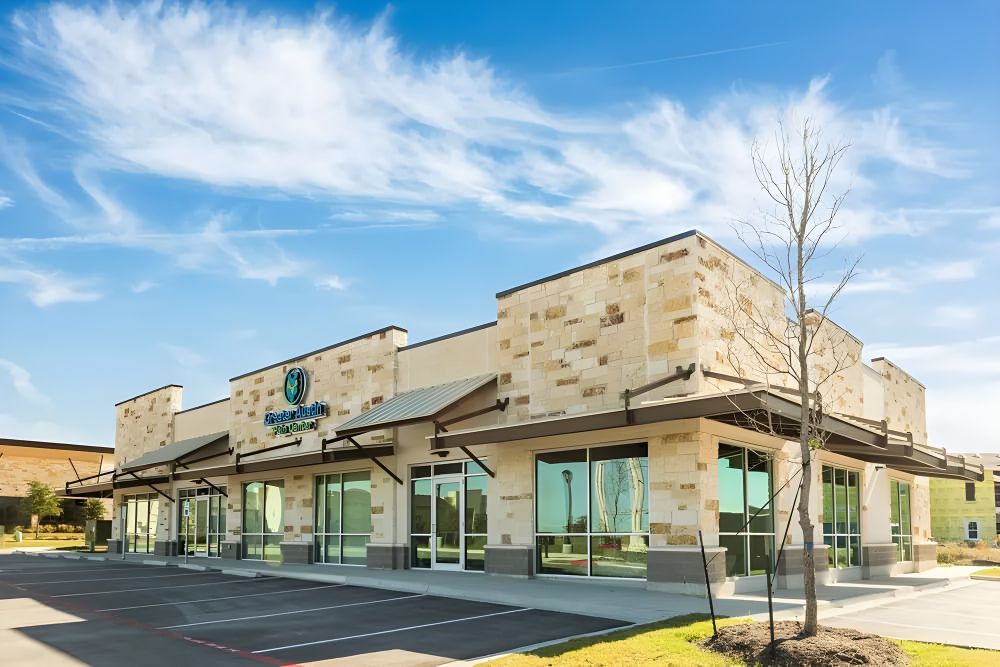
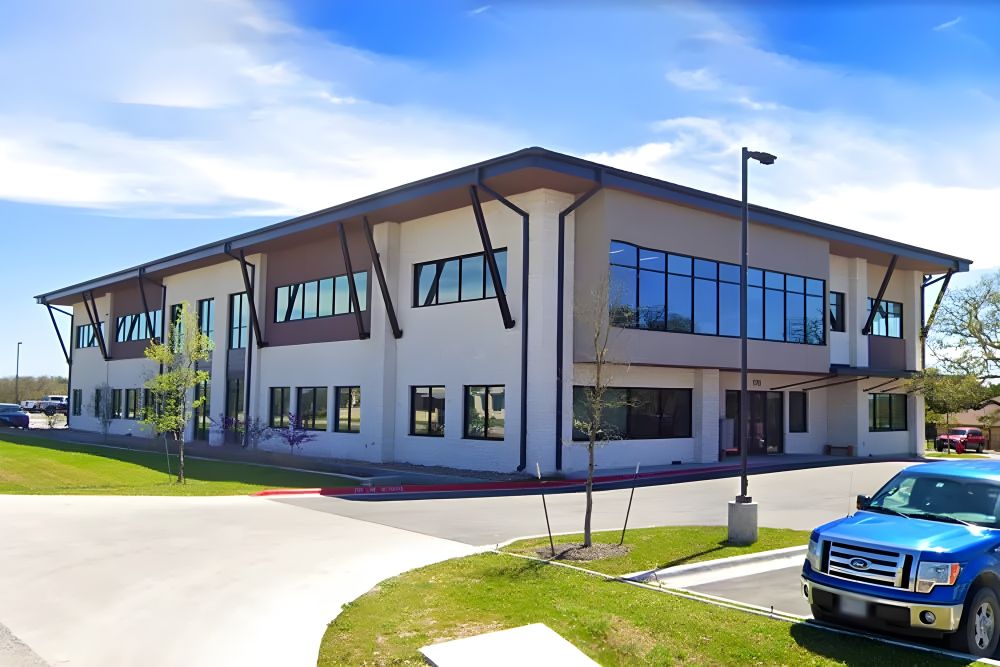
Currently accepting new patients
Address

‍
2007 Medical Pkwy, Suite B
San Marcos, TX 78666
Get Directions

Office hours

Mon - Friday: 8AM – 5PM
Weekends:
Closed

Phone

Phone: (512) 298-1645

Fax: (512) 298-1795

Accepted insurance

- Aetna
- Blue Cross/Blue Shield (BCBS)
- Champ VA
- Cigna
- CMS
- Connected Senior Care Alliance
- Friday
- GEHA
- Humana
- Medicare
- Multiplan
- Oscar
- Railroad Medicare
- Smarthealth
- Tricare
- Triwest
- United Healthcare
- WellMed
- Worker's Compensation
- Private Pay

What Is Sciatica? Understanding Sciatic Nerve Pain

The sciatic nerve is the longest nerve in the human body. It originates from the lumbar spine and sacrum, where nerve roots branch off the spinal cord and travel downward through the buttocks, the back of the thigh, the leg, and into the foot. Sciatica refers to pain caused by compression or inflammation of this nerve at or near its origin in the spine.

Because the sciatic nerve spans such a long path through the body, the pain signals it generates can be felt anywhere along that route, which sometimes makes it difficult to identify the root cause without a thorough clinical evaluation. Sciatica refers broadly to a symptom pattern rather than a single diagnosis, and the underlying cause varies from patient to patient.

Person holding their lower back with both hands, suggesting discomfort

How Sciatica Affects Leg Pain, Mobility, and Daily Life

Sciatica typically presents as radiating pain that travels from the lower back and hip down through the buttock and into the affected leg. That pain can range from a dull, persistent ache to a sharp pain or burning sensation. Many patients describe episodes of intense nerve pain that flare with movement, prolonged sitting, or activities like coughing and sneezing that briefly increase pressure in the spinal canal.

Common symptoms associated with sciatica include:

  • Radiating leg pain along the path of the sciatic nerve
  • Numbness or tingling in the leg or foot
  • Muscle weakness in the affected leg or foot
  • Difficulty standing up from a seated position or sitting comfortably for extended periods
  • Pain that is aggravated by prolonged sitting or standing
  • In more serious cases, loss of bowel control or bladder function, which warrants prompt medical attention

For people managing sciatica in San Marcos, TX, the impact on daily life can be significant. Chronic pain along the sciatic nerve can interfere with work, sleep, and the active lifestyle that many Central Texas residents value. Muscle tension in the lower back and buttock region often accompanies the nerve pain, compounding the discomfort and limiting range of motion.

Common Causes of Nerve Compression and Sciatica Risk Factors

Sciatic nerve pain arises when something places pressure on or irritates the nerve roots that form the sciatic nerve. Identifying the underlying cause is an essential part of building an effective treatment plan. The most common sources of nerve compression include:

  • Herniated disc (accounting for the majority of sciatica cases): when disc material pushes out of its normal position and presses on a nearby nerve root
  • Spinal stenosis: a narrowing of the spinal canal that can create nerve pressure at multiple levels of the spine
  • Degenerative disc disease: gradual breakdown of disc material that reduces the cushioning between vertebrae and can lead to nerve compression
  • Bone spurs on the spine that encroach on nerve roots
  • Misaligned vertebrae or spondylolisthesis
  • Direct trauma or pelvic injury
  • Pregnancy, which can shift pelvic alignment and contribute to nerve irritation
  • Tumors or abscesses in or near the spinal column
  • Diabetes, which can affect nerve health and exacerbate chronic conditions related to the spine

Certain lifestyle and physical factors also raise the risk of developing sciatica. A sedentary lifestyle, excess body weight, occupations that involve prolonged sitting or heavy lifting, and poor spinal health habits can all increase the likelihood of nerve compression over time. Muscle strain from repetitive motions or sudden injury is another contributing factor that patients at our San Marcos, TX location frequently report.

Woman sitting on sofa holding her lower back and hip in discomfort.

Treatment Options for Sciatica in San Marcos, TX

Sciatica treatment is not one-size-fits-all. Because the root cause of sciatic nerve pain differs between patients, the care team at Greater Austin Pain Center builds a treatment plan tailored to what is actually driving each patient's symptoms. The goal is to address the source of nerve compression, reduce inflammation, improve mobility, and restore function in a way that is sustainable for the long term.

For many patients, conservative care is the appropriate starting point. This may include activity modification, over-the-counter anti-inflammatory medications, and structured physical therapy to stretch and strengthen the muscles supporting the spine. Your care team may recommend physical therapy and can coordinate a referral to physical therapists who specialize in spinal conditions alongside GAPC's interventional options. Lifestyle modifications such as regular exercise, weight management, and avoiding positions that aggravate nerve pressure can also support spinal health and reduce recurring patterns of pain.

When conservative measures do not provide adequate pain relief, or when symptoms are more severe, GAPC's interventional pain specialists offer a range of advanced, non-invasive and minimally invasive treatment options, including:

  • Epidural Injections: corticosteroid medication delivered near the affected nerve roots to reduce inflammation and provide pain relief
  • Nerve Blocks: diagnostic and therapeutic injections that can interrupt pain signals along the sciatic nerve pathway
  • Indirect Spinal Decompression: a minimally invasive approach to relieving nerve pressure caused by spinal stenosis or related structural issues
  • Spinal Cord Stimulators: implantable devices that modulate pain signals for patients with chronic, refractory sciatica
  • MILD Procedure: a minimally invasive option for lumbar spinal stenosis contributing to nerve compression

For patients whose sciatica involves disc-related injury, options such as VIA Disc Allogeneic Disc Injections and Regenerative Medicine approaches may also be discussed as part of a broader natural healing and recovery strategy, supporting the body's own repair processes. In cases where surgery is ultimately the appropriate path, GAPC's physicians are familiar with both surgical and non-surgical options and can help patients understand all available choices.

Many patients with sciatica in San Marcos tx and nearby areas find meaningful relief through a combination of these approaches, and the care team works with each individual to find the right balance of drug free, interventional, and supportive treatments for their situation.

Two older adults jogging together on a forest path, smiling and active.

What to Expect: Getting Care at Greater Austin Pain Center

1

Step 1: Schedule an Appointment

Reaching out to Greater Austin Pain Center is the first step toward understanding and managing your sciatic nerve pain. New patients are currently being accepted at the San Marcos location on Medical Pkwy. Appointments can be scheduled online or by calling the office, and the team works to accommodate patients from San Marcos, TX and the surrounding communities along the I-35 corridor as efficiently as possible.

2

Step 2: Evaluation and Diagnosis

At your first visit, a pain specialist will conduct a thorough physical examination, review your health history, and discuss your symptoms in detail, including where the pain is felt, how long it has been present, and what makes it better or worse. Because sciatica can originate from several different structures in the spine, the evaluation may also include imaging studies such as X-ray, MRI, or CT scan to identify the specific source of nerve compression. Electromyography (EMG) may be ordered when nerve damage or significant muscle weakness is a concern.

3

Step 3: A Personalized Approach to Your Treatment Plan

Once the root cause of your sciatica is identified, your care team will develop a personalized approach to treatment that reflects your diagnosis, symptom severity, and goals. A treatment plan for sciatica may range from conservative therapies and lifestyle modifications to interventional procedures, depending on what is most appropriate for your specific presentation. The team will walk through the options clearly, without a sales pitch, so you can make an informed decision about next steps.

4

Step 4: Ongoing Care and Follow-Up

Sciatica can be a chronic condition for some patients, and effective management often requires follow-up and adjustment over time. GAPC's coordinated care model means your provider will track your response to treatment, address any recurring patterns of pain, and modify your plan as needed to help you restore function and maintain your well-being. The goal is not just short-term pain relief but supporting your spinal health and active lifestyle over the long term.

Testimonials

5 gold stars

"Dr. Jarzembeck is AMAZING. I HIGHLY recommend her for anyone suffering in pain. She goes above and beyond to make sure her patients pain has been dealt with."

Genia G.
5 gold stars

"Everyone is so friendly and helpful, Dr. Bednar came to me and explained the procedure and answered my questions. Highly recommend!"

Maggie G.
5 gold stars

"Dr. Julia is the best! The staff is professional and friendly to all. Best of all, Dr. Julia is finding solutions for my chronic pain! Never thought that it would be possible. It's a journey for me, but it seems like there is a solution."

Nancy M.

Frequently Asked Questions

What causes sciatica?

arrow icon

Sciatica is caused by compression or irritation of the sciatic nerve, most commonly due to a herniated disc pressing on a nerve root in the lumbar spine. Other causes include spinal stenosis, degenerative disc disease, bone spurs on the spine, misaligned vertebrae, direct trauma, and pregnancy. A sedentary lifestyle, excess body weight, and occupations involving prolonged sitting or heavy lifting can increase the risk of developing sciatica.

What herniated disc conditions are most commonly linked to sciatica?

arrow icon

A herniated disc occurs when the soft inner material of a spinal disc pushes through its outer layer and presses on a nearby nerve root. This is among the most frequent sources of sciatic nerve pain. Herniated disc injuries most often occur in the lower lumbar spine, particularly at the L4-L5 or L5-S1 levels, where the nerve roots that form the sciatic nerve exit the spinal cord. Degenerative disc disease, which involves gradual breakdown of disc material over time, can also contribute to nerve compression in similar ways.

Can chiropractic adjustments help with sciatica?

arrow icon

Chiropractic adjustments may help some patients with sciatica by addressing spinal alignment and reducing nerve irritation. Chiropractic care can support mobility and, for some individuals, provide temporary pain relief. That said, chiropractic care is generally more focused on musculoskeletal alignment than on diagnosing and treating the underlying cause of nerve compression. Seeing a pain specialist first allows for a comprehensive evaluation of what is actually driving the sciatic nerve pain, so that chiropractic adjustments or other therapies can be integrated appropriately into a broader plan rather than applied without a clear diagnosis.

When should sciatica symptoms prompt medical attention?

arrow icon

Most cases of sciatica can be managed with conservative care, but certain symptoms warrant prompt medical attention. These include sudden or severe leg weakness, loss of bowel control or bladder function, pain following a significant injury, or symptoms that are rapidly worsening rather than improving. If you are experiencing any of these, you should seek evaluation without delay. For ongoing or persistent sciatica symptoms that are affecting your daily life, scheduling an appointment with a pain specialist in San Marcos, TX is a reasonable next step.

How long does sciatica treatment typically take?

arrow icon

The duration of sciatica treatment varies depending on the underlying cause and the severity of symptoms. Mild cases may improve within a few weeks with rest, activity modification, and conservative care. More persistent sciatica related to a herniated disc, spinal stenosis, or chronic nerve compression can require a longer treatment course that includes injections, nerve blocks, or other interventional options. Most patients see meaningful improvement over time, though the specific timeline depends on the individual's condition and response to treatment.

Is surgery usually necessary for sciatica?

arrow icon

Surgery is not necessary for most patients with sciatica. The majority of cases respond to non-surgical treatment, including physical therapy, medications, epidural injections, nerve blocks, or spinal decompression procedures. Surgery is generally considered only when conservative and interventional treatments have not provided adequate relief, or when there is significant muscle weakness, nerve damage, or loss of bowel or bladder control. A pain specialist can help you understand whether your symptoms are likely to improve with non-invasive options before surgical intervention is considered.

Lunch & Learn With Our Doctors

Curious about interventional pain treatments in Austin, TX? Join our doctors for an in-person lunch and learn session to find out more about these treatments and ask any questions you may have. This event will be 12–1pm, sign up below to receive more details and RSVP.

Loading security check...

Thank you! Your submission has been received!
Oops! Something went wrong while submitting the form.

Find Sciatica Relief Near San Marcos, TX

If sciatic nerve pain is interfering with your daily life, Greater Austin Pain Center is here to help. Our San Marcos clinic at 2007 Medical Pkwy, Suite B is accepting new patients, and our team is ready to work with you on a treatment plan built around your specific condition. Call us at (512) 298-1645 or schedule online today. GAPC also serves patients throughout Central Texas, with additional locations in Austin, Kyle, and Dripping Springs.

Schedule an Appointment

Relieve Your Pain Today!
Disclaimer: Using this form does not establish a patient-physician relationship. This form is not to be used for emergencies or urgent requests. Please call 911 if you have a life-threatening emergency.
By submitting this form you agree to the collection of your personal data pursuant to our privacy policy.

Loading security check...

Green padlock icon
All Information Is Secure and Confidential
Thank you! Your submission has been received!
Oops! Something went wrong while submitting the form.
A modern medical office waiting room with gray chairs, small tables with plants and brochures, wood-style flooring, and a reception desk. The wall displays the sign "Greater Austin Pain Center."

Greater Austin Pain Center Is Hiring! Apply Online Today