Currently accepting new patients
Address

‍
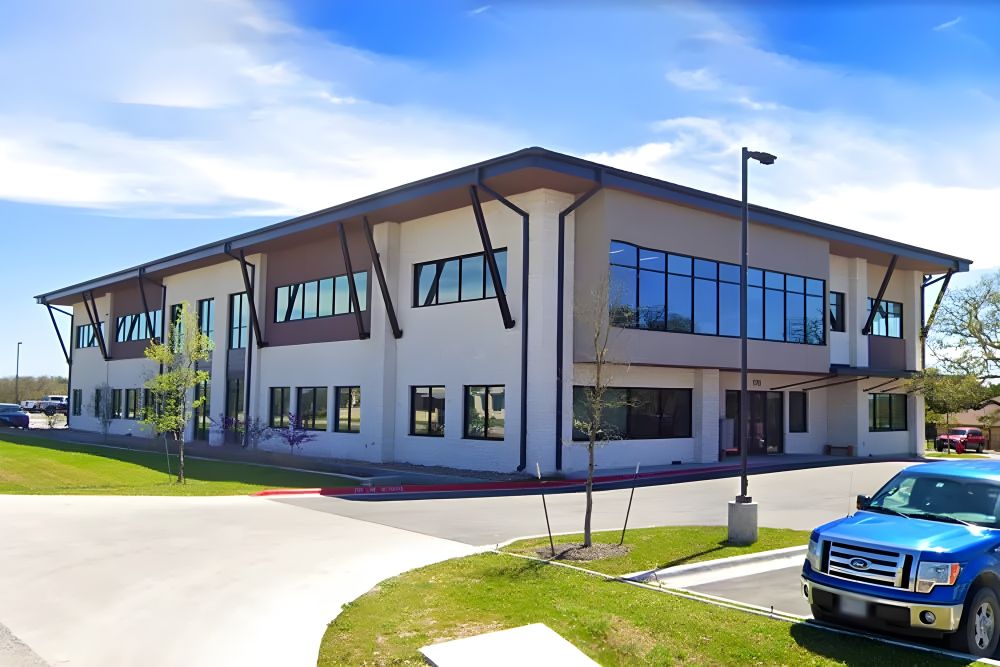
2007 Medical Pkwy, Suite B
San Marcos, TX 78666
Get Directions

Office hours

Mon - Friday: 8AM – 5PM
Weekends:
Closed

Phone

Phone: (512) 298-1645

Fax: (512) 298-1795

Accepted insurance

- Aetna
- Blue Cross/Blue Shield (BCBS)
- Champ VA
- Cigna
- CMS
- Connected Senior Care Alliance
- Friday
- GEHA
- Humana
- Medicare
- Multiplan
- Oscar
- Railroad Medicare
- Smarthealth
- Tricare
- Triwest
- United Healthcare
- WellMed
- Worker's Compensation
- Private Pay

What Is Phantom Limb Pain?

Phantom limb pain is a condition in which a person who has lost a limb continues to feel sensations, including pain, in the area where that limb once was. These sensations may include tingling, burning, cramping, or shooting pain, and can range from mild to severe.

The underlying mechanism involves abnormal signals transmitted by the nerves that originally supplied the missing limb. Although the limb is no longer physically present, the brain and spinal cord may continue to interpret these nerve signals as coming from that region. Recognizing that these experiences are a genuine neurological response to limb loss is an important part of understanding and managing the condition.

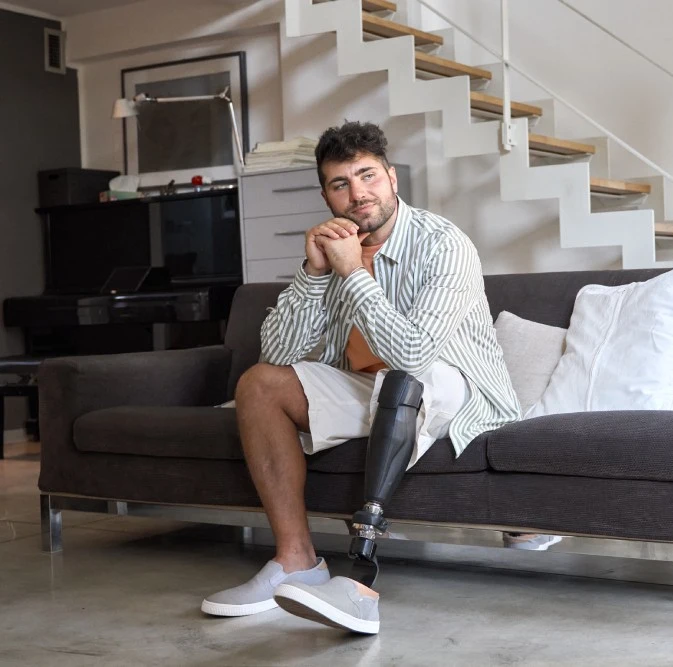
Young man with prosthetic leg sitting relaxed on sofa at home

How Phantom Limb Pain Affects Daily Life

Even without a physical limb, the brain's continued processing of pain signals can significantly disrupt everyday functioning. People living with phantom limb pain commonly report sensations such as burning, throbbing, cramping, or shooting pain in the area where the limb once was. Other reported experiences include tingling or a pins-and-needles sensation, pressure or heaviness, and an itch that cannot be relieved.

Beyond the physical sensations, the condition can contribute to emotional distress, disrupted sleep, and difficulty carrying out routine activities. Phantom limb pain often begins shortly after amputation, but it can persist for weeks, months, or even years in some cases. Because both neurological and psychological factors play a role in how the condition presents, effective management typically involves addressing the condition from multiple angles.

Causes and Risk Factors for Phantom Limb Pain

Phantom limb pain can develop from several interconnected reasons. Common contributing factors include:

  • Abnormal nerve activity at the amputation site, where disrupted nerve endings continue to transmit pain signals to the brain
  • Brain reorganization, in which the brain remaps the sensory circuits that once corresponded to the missing limb
  • Changes in spinal cord processing, which can alter how sensory signals are interpreted
  • Neuromas, or nerve scar tissue that forms at the amputation site and may generate painful sensations
  • Residual limb sensitivity, where pressure or irritation on the remaining portion of the limb triggers phantom sensations
  • An ill-fitting prosthetic limb, which may contribute to ongoing discomfort
  • Psychological factors such as stress, anxiety, or depression, which can intensify the perception of pain

Certain individuals face a higher likelihood of developing phantom limb pain. Those who experienced significant pain in the limb before amputation, underwent a traumatic amputation, or have ongoing residual limb pain tend to be at greater risk. Neurological differences in how the nervous system processes pain signals, as well as psychological factors, can also influence whether and how intensely phantom limb pain develops. The timing varies: some people notice it immediately after surgery, while others experience onset much later.

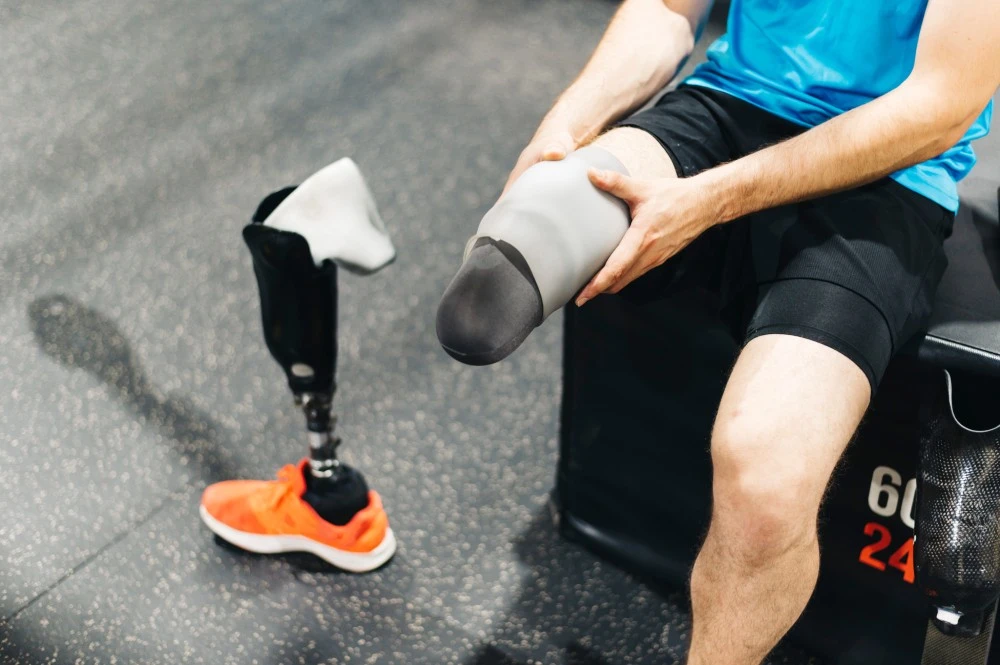
Person with lower limb amputation holding prosthetic leg while seated in gym

Treatment Options for Phantom Limb Pain at Greater Austin Pain Center

Managing phantom limb pain generally requires a comprehensive, individualized approach. At Greater Austin Pain Center's San Marcos clinic, providers work with each patient to identify which combination of treatments is most appropriate for their specific presentation.

Medication management is often part of an initial plan and may involve over-the-counter pain relievers, antidepressants such as amitriptyline, anticonvulsants like gabapentin or pregabalin for neuropathic pain, or in some cases, NMDA receptor antagonists. When medications alone provide insufficient relief, your provider may recommend interventional approaches or explore referrals for complementary therapies.

Interventional treatments available at GAPC that may be relevant for phantom limb pain include:

Non-interventional therapies such as mirror therapy, TENS (transcutaneous electrical nerve stimulation), and biofeedback are also commonly used in the management of phantom limb pain. While these are not services GAPC provides directly, your care team can discuss these approaches and coordinate referrals as part of a broader treatment plan. Psychological support is also an important dimension of care, given the role emotional factors can play in pain perception, and GAPC can refer patients to appropriate mental health resources when indicated.

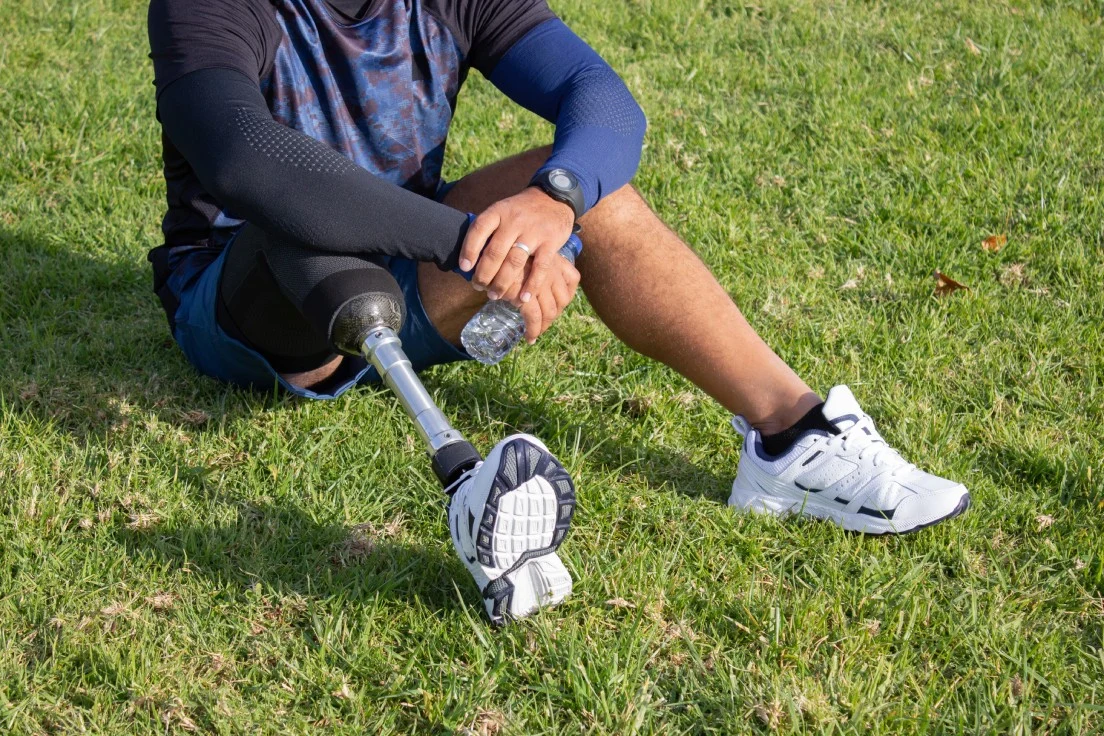
Athlete with prosthetic leg resting on grass holding a water bottle

Getting Care at Greater Austin Pain Center

1

Step 1: Schedule an Appointment

The first step is reaching out to our San Marcos, TX office to set up a consultation. Our team is currently accepting new patients and can help you find an appointment time that works for your schedule. You can call our office or request an appointment online.

2

Step 2: Evaluation and Diagnosis

At your initial visit, one of our pain specialists will conduct a thorough evaluation that includes a detailed history of your amputation, the onset and character of your pain, and any treatments you have tried previously. This evaluation helps clarify which neurological and contributing factors are most relevant to your situation and guides the direction of your care plan.

3

Step 3: Personalized Treatment Plan

Because phantom limb pain presents differently from person to person, treatment is tailored to each patient's needs and goals. Your plan may combine interventional procedures, medication management, and coordination with outside providers for complementary therapies. Your provider will explain each recommended option and involve you in the decision-making process.

4

Step 4: Ongoing Care and Follow-Up

Phantom limb pain often requires continued monitoring and adjustment over time. Follow-up appointments allow your care team to assess how you are responding to treatment and make changes as needed. The goal is to support sustained improvement in your comfort and quality of life, not just short-term relief.

Testimonials

5 gold stars

"Dr. Jarzembeck is AMAZING. I HIGHLY recommend her for anyone suffering in pain. She goes above and beyond to make sure her patients pain has been dealt with."

Genia G.
5 gold stars

"Everyone is so friendly and helpful, Dr. Bednar came to me and explained the procedure and answered my questions. Highly recommend!"

Maggie G.
5 gold stars

"Dr. Julia is the best! The staff is professional and friendly to all. Best of all, Dr. Julia is finding solutions for my chronic pain! Never thought that it would be possible. It's a journey for me, but it seems like there is a solution."

Nancy M.

Frequently Asked Questions

What does phantom limb pain feel like?

arrow icon

People describe phantom limb pain in a variety of ways. Common sensations include shooting or sharp pain, burning, throbbing, cramping, tingling or pins-and-needles, pressure, and in some cases an itch that cannot be relieved. The intensity and character of these sensations can vary from person to person and may change over time.

How long does phantom limb pain typically last?

arrow icon

The duration varies considerably. Some individuals experience phantom limb pain for only weeks or months following amputation, while others continue to have symptoms for years. There is no single predictable timeline, which is one reason ongoing evaluation and individualized treatment planning are important.

Who is most at risk of developing phantom limb pain?

arrow icon

Phantom limb pain is most commonly associated with individuals who have undergone an amputation. Those who had significant pain in the limb before amputation, experienced a traumatic amputation, or have ongoing pain in the residual limb tend to face a higher risk. Psychological factors such as stress, anxiety, and depression can also influence who develops the condition and how intensely it presents.

Can phantom limb pain be prevented?

arrow icon

Prevention is difficult because the exact mechanisms behind phantom limb pain are not fully understood. There are, however, strategies and therapies that may help reduce the likelihood or severity of symptoms. A pain specialist can discuss options that may be appropriate before or shortly after amputation.

What interventional treatments are available for phantom limb pain?

arrow icon

Interventional options that may be appropriate for phantom limb pain include nerve blocks, spinal cord stimulation, peripheral nerve stimulation, and ketamine infusion therapy, depending on the individual's presentation and history. A provider at Greater Austin Pain Center in San Marcos can help determine which approaches are suitable for your specific situation.

What should I do if my current phantom limb pain treatment is not working?

arrow icon

If your current treatment is not providing adequate relief, it may be time to consult with a pain specialist who can evaluate your situation and explore additional options. Greater Austin Pain Center, which serves San Marcos and the broader Central Texas region, offers a range of interventional and multimodal approaches for patients who have not found sufficient benefit from earlier treatments. You can contact our office to schedule a consultation.

Lunch & Learn With Our Doctors

Curious about interventional pain treatments in Austin, TX? Join our doctors for an in-person lunch and learn session to find out more about these treatments and ask any questions you may have. This event will be 12–1pm, sign up below to receive more details and RSVP.

Loading security check...

Thank you! Your submission has been received!
Oops! Something went wrong while submitting the form.

Find Phantom Limb Pain Relief at Our San Marcos Clinic

If phantom limb pain is affecting your daily life, the team at Greater Austin Pain Center is ready to help. Our San Marcos, TX clinic offers personalized, interventional pain care designed around your individual needs. To schedule a consultation, call us at (512) 298-1645 or request an appointment online. We also serve patients from throughout Central Texas at our locations in Austin, Kyle, and Dripping Springs.

Schedule an Appointment

Relieve Your Pain Today!
Disclaimer: Using this form does not establish a patient-physician relationship. This form is not to be used for emergencies or urgent requests. Please call 911 if you have a life-threatening emergency.
By submitting this form you agree to the collection of your personal data pursuant to our privacy policy.

Loading security check...

Green padlock icon
All Information Is Secure and Confidential
Thank you! Your submission has been received!
Oops! Something went wrong while submitting the form.
A modern medical office waiting room with gray chairs, small tables with plants and brochures, wood-style flooring, and a reception desk. The wall displays the sign "Greater Austin Pain Center."

Greater Austin Pain Center Is Hiring! Apply Online Today