Currently accepting new patients
Address

‍
2007 Medical Pkwy, Suite B
San Marcos, TX 78666
Get Directions

Office hours

Mon - Friday: 8AM – 5PM
Weekends:
Closed

Phone

Phone: (512) 298-1645

Fax: (512) 298-1795

Accepted insurance

- Aetna
- Blue Cross/Blue Shield (BCBS)
- Champ VA
- Cigna
- CMS
- Connected Senior Care Alliance
- Friday
- GEHA
- Humana
- Medicare
- Multiplan
- Oscar
- Railroad Medicare
- Smarthealth
- Tricare
- Triwest
- United Healthcare
- WellMed
- Worker's Compensation
- Private Pay

What Is Nerve Pain (Peripheral Neuropathy)?

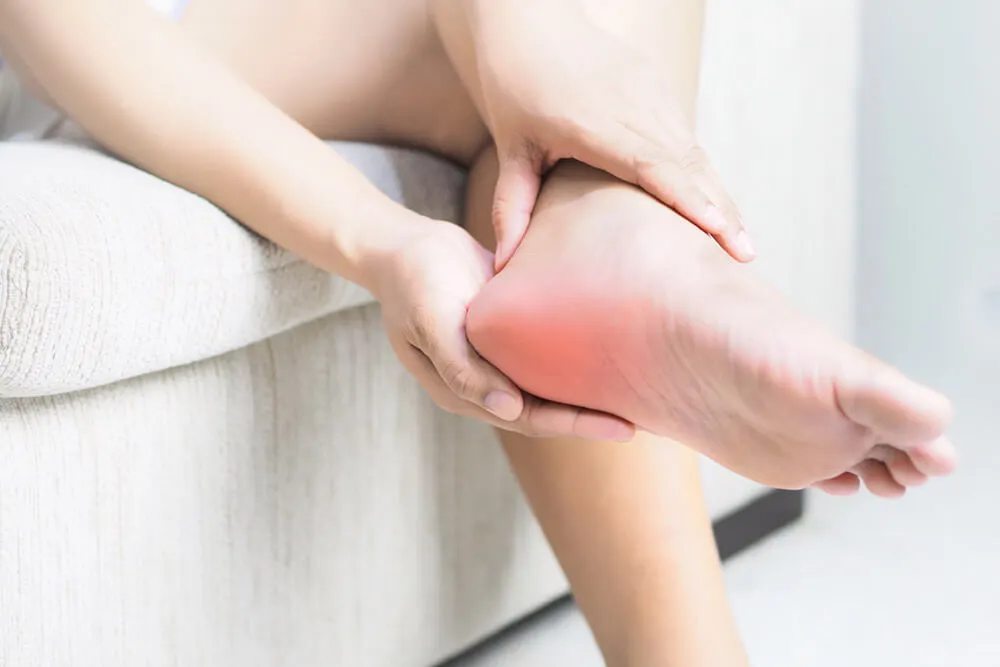
Peripheral neuropathy is a symptom rather than a disease in itself. It occurs when nerves are damaged, resulting in pain and a loss of normal functions such as motor movement or the sense of touch. Because peripheral neuropathy commonly develops in the longest nerves first, many patients initially notice it in the toes and feet before it progresses elsewhere.

Your brain and the rest of your nervous system are constantly exchanging messages throughout your body. Motor nerves carry signals about muscle movement, while sensory nerves transmit information about sensations like heat, cold, and pain. Your autonomic nervous system handles involuntary functions such as blood pressure, heart rate, digestion, and body temperature. When peripheral neuropathy affects the autonomic nervous system, additional symptoms such as bowel or bladder problems may develop alongside the more typical pain and sensory changes.

At Greater Austin Pain Center, understanding the root cause of peripheral neuropathy is central to helping patients find meaningful pain relief. The treatment approach your care team develops will reflect which nerve groups are involved and what is driving the damage.

Woman at elevators in front of San Antonio Eye Specialists sign.

How Nerve Pain Affects the Body: Symptoms and Chronic Pain

Because peripheral neuropathy can involve sensory, motor, or autonomic nerve pathways, the symptoms that patients experience vary considerably. Chronic pain from nerve damage is often described differently than pain from a muscle injury or joint problem, and recognizing these patterns can help your doctor narrow down a diagnosis.

Common symptoms in affected nerve groups include:

  • Sharp, burning pain
  • Tingling or numbness
  • Extreme sensitivity to touch
  • Loss of coordination
  • Muscle weakness or, in more severe cases, paralysis

For many people, these symptoms interfere with daily activities such as walking, sleeping, or simply getting dressed. Over time, untreated or poorly managed neuropathy can contribute to ongoing chronic pain that limits an active life. If bowel or bladder changes accompany the pain, that may indicate autonomic nerve involvement and warrants prompt evaluation.

A physical therapist in blue scrubs examines a woman's lower back as she sits on an exam table in a clinic, lifting her shirt slightly to expose the area.

Pain Management Treatments for Nerve Pain in San Marcos, TX

At Greater Austin Pain Center, the treatment plan developed for each patient reflects the severity of their neuropathy, the nerve groups involved, and the underlying cause driving their symptoms. There is no single protocol for treating chronic pain from nerve damage, which is why an individualized approach matters.

For some patients, addressing the underlying condition, whether that is improving blood sugar control, treating an infection, or correcting a nutritional deficiency, can lead to meaningful improvement in symptoms. Pain management treatments at our San Marcos pain clinic may also include one or more of the following:

Where minimally invasive procedures are appropriate, our pain management doctors are trained in the latest minimally invasive therapies so that patients can explore advanced treatments before considering more extensive interventions. Non surgical approaches are prioritized whenever clinically appropriate.

Lifestyle modifications are also an important part of treating chronic pain related to neuropathy. For patients with pain in the feet and lower legs, regular foot examinations and appropriate footwear are recommended. Maintaining regular physical activity, eating a balanced diet, and avoiding nicotine and alcohol can all support better outcomes over time.

Your care team may also recommend coordination with physical therapy or other supportive services to complement the interventions provided at our San Marcos clinic. The goal is a multidisciplinary approach that addresses your specific needs and supports your overall well-being.

Woman at elevators in front of San Antonio Eye Specialists sign.

Your Path to Care at Our San Marcos Pain Clinic

1

Step 1: Schedule Your First Appointment

Reaching out to Greater Austin Pain Center is the first step toward understanding and managing your nerve pain. New patients at our San Marcos, TX office can schedule an appointment by calling (512) 298-1645 or booking online. Our team will gather some basic information about your health history and current symptoms ahead of your first visit.

2

Step 2: Evaluation and Diagnosis with Our Board-Certified Physicians

At your first appointment, one of our board certified physicians will conduct a thorough physical examination and neurological evaluation to assess which nerve groups may be affected and how severely. Your doctor will review your medical history and may order blood tests, x rays, or additional diagnostic testing to help determine the root cause of your neuropathy. A better understanding of what is driving your symptoms allows for more accurate diagnosis and a more targeted treatment plan.

3

Step 3: Your Personalized Treatment Plan

After reviewing your evaluation and test results, your care team will develop a customized plan designed around your specific needs, health history, and treatment goals. For nerve pain, this may combine pain management treatments such as nerve blocks, neuromodulation, or medication management with lifestyle guidance. The plan is built to support pain relief and help you return to the daily activities that matter most to you.

4

Step 4: Ongoing Care and Follow-Up

Treating chronic pain is rarely a one-time event, and our team remains engaged with your progress over time. Follow-up visits allow your doctor to evaluate how well the current treatment approach is working and to adjust the plan if needed. Many patients find that consistent, compassionate care over time leads to better function and an improved quality of life.

Testimonials

5 gold stars

"Dr. Jarzembeck is AMAZING. I HIGHLY recommend her for anyone suffering in pain. She goes above and beyond to make sure her patients pain has been dealt with."

Genia G.
5 gold stars

"Everyone is so friendly and helpful, Dr. Bednar came to me and explained the procedure and answered my questions. Highly recommend!"

Maggie G.
5 gold stars

"Dr. Julia is the best! The staff is professional and friendly to all. Best of all, Dr. Julia is finding solutions for my chronic pain! Never thought that it would be possible. It's a journey for me, but it seems like there is a solution."

Nancy M.

Frequently Asked Questions

What conditions can cause nerve pain?

arrow icon

Nerve pain can develop from a wide range of underlying conditions. Common causes include diabetes (diabetic neuropathy), diseases of the kidney, liver, or thyroid, viral or bacterial infections such as HIV/AIDS or hepatitis, physical trauma or compressed nerves, chemotherapy, vitamin B deficiency, alcohol abuse, and certain autoimmune conditions such as rheumatoid arthritis. Identifying the underlying cause is an important part of determining the most effective treatment approach.

How do pain management doctors diagnose peripheral neuropathy?

arrow icon

Diagnosis typically begins with a detailed review of your medical history and a physical examination that includes a neurological assessment. Your doctor may also order blood tests to check for underlying conditions such as diabetes or nutritional deficiencies, and additional diagnostic testing such as nerve conduction studies or x rays may be recommended depending on your symptoms. The goal of the evaluation is to identify which nerve groups are affected and, where possible, pinpoint the root cause driving the damage.

What treatment options are available for nerve pain at GAPC?

arrow icon

Greater Austin Pain Center offers a range of pain management treatments for patients dealing with peripheral neuropathy and chronic nerve pain. These include nerve blocks, Peripheral Nerve Stimulation, Spinal Cord Stimulators, Radiofrequency Ablation, Ketamine Infusion Therapy, and medication management. Non surgical approaches and minimally invasive procedures are prioritized whenever appropriate. Your care team may also coordinate referrals to physical therapy or other supportive services as part of a comprehensive, individualized treatment plan.

Does insurance cover nerve pain treatment?

arrow icon

Greater Austin Pain Center accepts a wide range of insurance plans, including Aetna, Blue Cross/Blue Shield, Cigna, Humana, Medicare, Tricare, United Healthcare, WellMed, and others, as well as Worker's Compensation and private pay. Because coverage for specific procedures and treatments can vary by plan and diagnosis, we encourage patients to contact our San Marcos office ahead of their visit to discuss their insurance benefits and any questions about coverage.

What should I expect at my first appointment for nerve pain?

arrow icon

At your first appointment at our San Marcos, TX pain clinic, one of our board certified physicians will review your health and symptom history, conduct a physical examination, and perform a neurological evaluation. Depending on your situation, the doctor may recommend blood tests or additional diagnostic testing before finalizing a diagnosis. You will have the opportunity to discuss your symptoms, ask questions, and begin developing a clearer picture of your treatment options.

How is chronic nerve pain different from acute nerve pain?

arrow icon

Acute nerve pain typically arises from a specific injury or short-term event and tends to resolve as the underlying issue heals. Chronic pain from nerve damage, by contrast, persists over a longer period and is often associated with ongoing nerve dysfunction or an underlying condition such as diabetes or an autoimmune disease. Chronic neuropathy may require sustained pain management over time rather than a single course of treatment, and the approach at Greater Austin Pain Center is designed to support patients through that longer-term process.

Lunch & Learn With Our Doctors

Curious about interventional pain treatments in Austin, TX? Join our doctors for an in-person lunch and learn session to find out more about these treatments and ask any questions you may have. This event will be 12–1pm, sign up below to receive more details and RSVP.

Loading security check...

Thank you! Your submission has been received!
Oops! Something went wrong while submitting the form.

Find Relief from Nerve Pain at Our San Marcos, TX Location

If nerve pain is interfering with your daily life, the pain specialists at Greater Austin Pain Center are ready to help. Contact our San Marcos, TX office to schedule an appointment, or call us at (512) 298-1645. Greater Austin Pain Center also serves patients across Central Texas, with locations in Austin, Kyle, and Dripping Springs.

Schedule an Appointment

Relieve Your Pain Today!
Disclaimer: Using this form does not establish a patient-physician relationship. This form is not to be used for emergencies or urgent requests. Please call 911 if you have a life-threatening emergency.
By submitting this form you agree to the collection of your personal data pursuant to our privacy policy.

Loading security check...

Green padlock icon
All Information Is Secure and Confidential
Thank you! Your submission has been received!
Oops! Something went wrong while submitting the form.
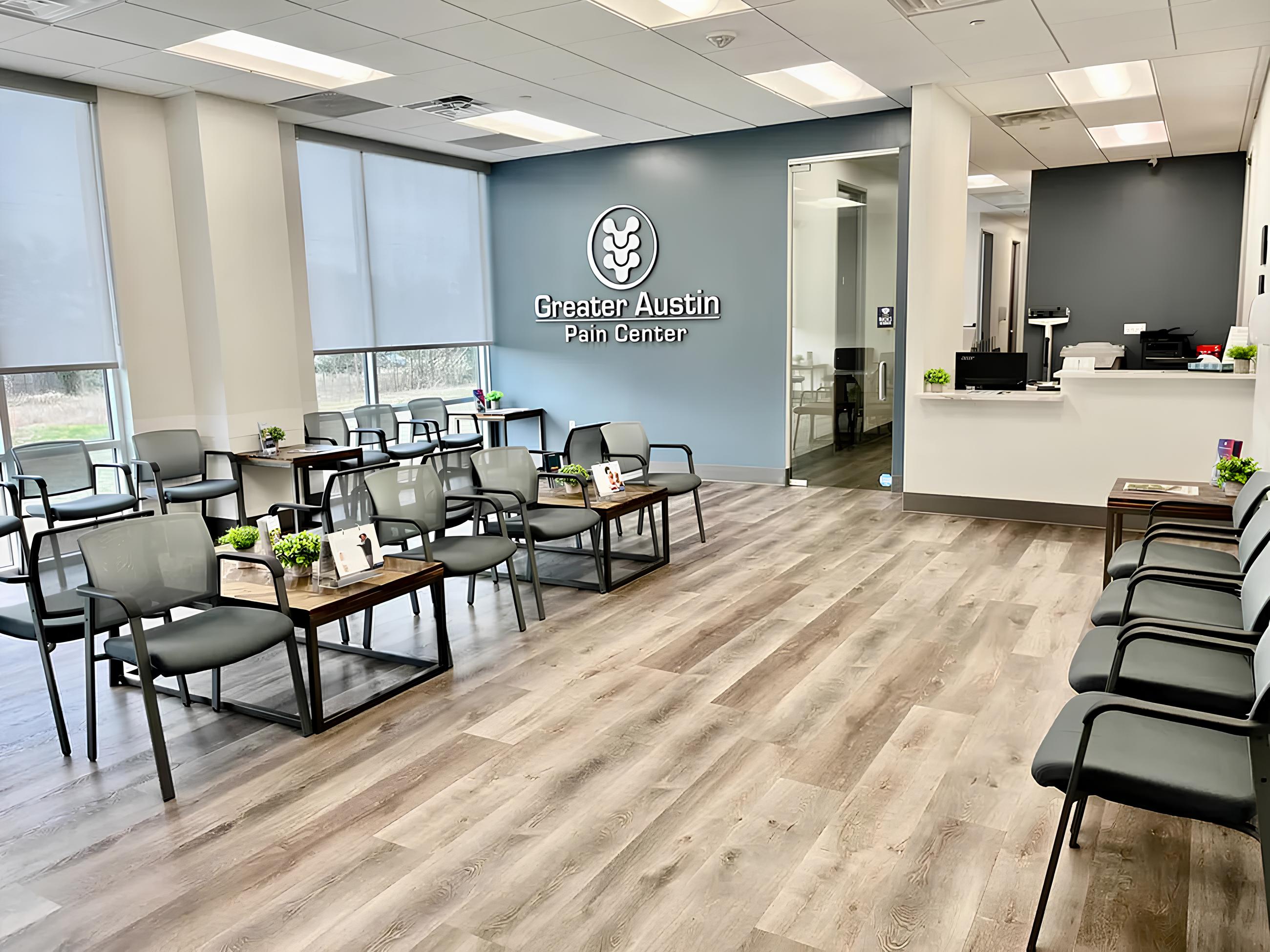
A modern medical office waiting room with gray chairs, small tables with plants and brochures, wood-style flooring, and a reception desk. The wall displays the sign "Greater Austin Pain Center."

Greater Austin Pain Center Is Hiring! Apply Online Today