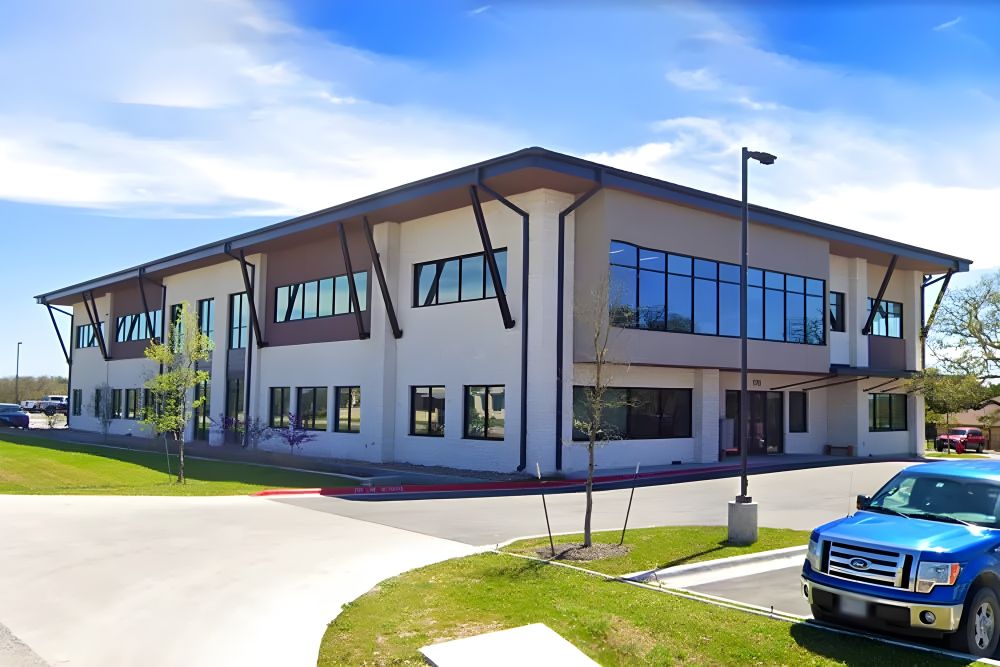
Currently accepting new patients
Address

‍
2007 Medical Pkwy, Suite B
San Marcos, TX 78666
Get Directions

Office hours

Mon - Friday: 8AM – 5PM
Weekends:
Closed

Phone

Phone: (512) 298-1645

Fax: (512) 298-1795

Accepted insurance

- Aetna
- Blue Cross/Blue Shield (BCBS)
- Champ VA
- Cigna
- CMS
- Connected Senior Care Alliance
- Friday
- GEHA
- Humana
- Medicare
- Multiplan
- Oscar
- Railroad Medicare
- Smarthealth
- Tricare
- Triwest
- United Healthcare
- WellMed
- Worker's Compensation
- Private Pay

What Are Joint Injections and How Do They Work?

Joint injections are a non-surgical treatment option designed to reduce pain and inflammation directly at the source. By delivering medication or regenerative agents into the affected joint, this approach can provide more targeted relief than oral medications alone. Depending on a patient's diagnosis and specific needs, our pain specialists may recommend traditional corticosteroid injections, platelet rich plasma (PRP) injections, stem cell injections, or viscosupplementation injections.

Corticosteroid injections work by reducing inflammatory cell activity to decrease swelling and pain in the joint. PRP injections concentrate platelets drawn from the patient's own blood. These platelets contain growth factors that research has shown can support healing in soft tissue, including tendons and cartilage. Viscosupplementation injections deliver hyaluronic acid into the joint to act as a cushion and reduce friction, which is one way to address pain caused by cartilage breakdown. Stem cell injections use undifferentiated cells to promote tissue regeneration in cases where other options have not provided adequate relief.

During the procedure, medication is administered directly into the damaged joint tissue. Many patients notice a meaningful reduction in pain relatively quickly, and that improvement in comfort can make it easier to engage in rehabilitation movements and lifestyle modifications that support longer-term joint health and overall wellness.

Joint injections are minimally invasive and can be applied to a variety of joints throughout the body, including the ankles, hips, shoulders, knees, and wrists. Our physicians at Greater Austin Pain Center work with each patient to develop a tailored plan that fits their individual goals and activity level.

Runner holding knee in pain on a park path wearing blue sneakers

What Conditions Do Joint Injections Treat? Knee Pain, Hip Pain, and More

Joint injections can be effective for treating a wide range of conditions that cause joint pain and inflammation. Among the most common conditions our San Marcos patients seek care for are Knee Pain, Hip Pain, and Shoulder Pain related to arthritis, osteoarthritis, or everyday wear and tear. Patients dealing with Joint Pain in the wrists or ankle joints may also benefit from targeted injections. Athletes managing overuse injuries or conditions such as ACL-related joint damage are among the individuals who may find joint injections a helpful part of their care plan.

Beyond degenerative conditions, joint injections are commonly used to address joint damage caused by acute injury or trauma, including injuries sustained in an auto accident. Arthritis and osteoarthritis are among the most common conditions treated, as chronic inflammation in the joint space can steadily cause cartilage breakdown and limit mobility. Tendon-related inflammation near the joint and Arm Pain originating from an inflamed shoulder or wrist joint may also respond well to this approach. In some cases, joint injections can help people who have experienced stress fractures or other structural changes that increase joint irritation over time.

Additionally, sacroiliac joint injections can help patients who suffer from lower spine-related joint pain. If you have been managing symptoms through other treatments without adequate relief, joint injections may offer a path forward. Our San Marcos clinic serves patients throughout the area, including those traveling from nearby communities along the I-35 corridor between San Marcos and Austin, Texas.

Am I a Candidate for Joint Injections? Talk with Our Pain Specialists

Joint injections are generally considered when other treatments such as rest, oral medication, NSAIDs, or physical therapy have not adequately reduced pain or restored motion. Patients who are struggling with chronic pain related to arthritis, osteoarthritis, joint damage from injury, or degenerative changes in the joint may be good candidates. Our pain specialists in San Marcos, TX will review your medical history, symptoms, imaging such as x-rays or MRI, and any prior diagnosis information to build a tailored plan aligned with your specific needs and treatment goals.

Because candidacy depends on multiple factors, including the location and severity of joint involvement, the underlying diagnosis, and your overall health, a thorough consultation is an important first step. The kind of injection that is most appropriate will vary by patient. Our physicians and staff may also consult with orthopedic surgeons or consider whether regenerative medicine options like PRP or stem cell injections are more effective than corticosteroid-based treatment for a given individual.

Regarding side effects, the risk of significant complications from joint injections is low. Serious events such as bleeding, fever, or infection at the injection site are uncommon. More commonly, patients may experience temporary symptoms including headaches, localized soreness, or mild swelling near the injection site. Ice can be applied to help reduce discomfort in the hours following the procedure. These symptoms typically resolve within a few hours. Sedation is available for patients who need it, though most do not require more than a local anesthetic applied at the injection site. If you experience new or worsening symptoms that persist beyond 24 hours, contact our office promptly.

Person holding hip area with red highlight indicating pain location

What to Expect from Joint Injection Treatment and Pain Relief

Each joint injection appointment at our San Marcos clinic is designed to be straightforward and efficient. Most appointments last approximately 30 minutes, making it easy to fit into a busy schedule. Before the injection is administered, the site is cleaned, and a local anesthetic may be used to minimize discomfort. Many patients describe the experience as manageable, with only mild pressure at the injection site.

The type of injection will determine how quickly results may be felt. Corticosteroid injections typically begin to take effect within a few days, with relief often peaking around two weeks after the procedure and potentially lasting for several months. PRP and other regenerative medicine options work differently, using the body's own healing mechanisms to reduce inflammation and support tissue repair over time.

The goal of treatment is to reduce pain, improve mobility, and help patients return to normal daily activity. Many patients are able to walk on their own immediately following treatment, and recovery is generally brief. Where appropriate, your provider may recommend physical therapy or other supportive care to work alongside injection therapy. Our pain specialists in San Marcos coordinate with referring physical therapists and orthopedic surgeons when a team-based care approach is in a patient's best interest. Understanding your options and choosing the right form of treatment is something our specialists are here to help you do.

Two people jogging together and smiling in a sunny green park

The Joint Injection Process at Our San Marcos Clinic

1

Schedule an Appointment

Call Greater Austin Pain Center or book an appointment online to get started. Our San Marcos, TX office is currently accepting new patients and is conveniently located at Suite B, 2007 Medical Pkwy., San Marcos, TX 78666. We also have locations in Austin, Kyle, and Dripping Springs for patients throughout Central Texas.

2

Initial Consultation and Evaluation

At your first appointment, our pain specialists will take time to review your medical history, prior diagnosis records, and imaging such as x-rays or MRI, as well as any treatments you have already tried, including medication or physical therapy. This thorough evaluation allows the care team to determine which type of joint injection is most appropriate and to develop a personalized plan tailored to your specific needs and activity goals.

3

Receive Your Joint Injection

Joint injections take less than 30 minutes to administer. The injection site is cleaned beforehand, and a local anesthetic can be used to minimize discomfort. Your doctor will administer the injection directly into the affected joint, targeting the damaged joint tissue with precision. Sedation is also available for patients who need it.

4

Short Recovery

Most patients are able to walk on their own immediately following their injection and can return to normal activities shortly thereafter. Some mild soreness near the injection site is possible in the first day or two, and applying ice can help. Your care team will let you know what to watch for, including signs such as fever or redness, and when to follow up.

Testimonials

5 gold stars

"Dr. Jarzembeck is AMAZING. I HIGHLY recommend her for anyone suffering in pain. She goes above and beyond to make sure her patients pain has been dealt with."

Genia G.
5 gold stars

"Everyone is so friendly and helpful, Dr. Bednar came to me and explained the procedure and answered my questions. Highly recommend!"

Maggie G.
5 gold stars

"Dr. Julia is the best! The staff is professional and friendly to all. Best of all, Dr. Julia is finding solutions for my chronic pain! Never thought that it would be possible. It's a journey for me, but it seems like there is a solution."

Nancy M.

Frequently Asked Questions

What types of joint injections are available, including PRP and viscosupplementation?

arrow icon

Greater Austin Pain Center offers several types of joint injections depending on the joint involved and the patient's diagnosis. Corticosteroid injections are often the first line of defense against joint pain and work by reducing inflammatory cell activity to decrease swelling. Platelet rich plasma (PRP) injections concentrate platelets from the patient's own blood. These platelets contain growth factors that can help promote healing in soft tissue, tendons, and cartilage. Stem cell injections use undifferentiated cells extracted from the patient's bone marrow or donor tissue, concentrated and injected into the joint to support regeneration. Viscosupplementation injections, most commonly used in the knee, deliver hyaluronic acid to cushion the joint and reduce friction, which can help relieve pain caused by cartilage breakdown and osteoarthritis. Our pain specialists in San Marcos, TX will determine which option is appropriate based on your individual consultation and evaluation.

What are the side effects of corticosteroid joint injections?

arrow icon

The risk of significant complications from a corticosteroid injection is very low. Serious events such as infection, fever, or bleeding at the injection site are uncommon. More commonly reported side effects include temporary dizziness, headaches, or a localized increase in pain near the injection site. These typically resolve within a few hours. Applying ice after the procedure can help reduce soreness. If symptoms persist beyond 24 hours or you experience new or worsening symptoms such as redness or swelling, contact our San Marcos office promptly.

How long does pain relief from a corticosteroid injection typically last?

arrow icon

Corticosteroid injections generally begin to reduce pain within two to three days, with relief often peaking around two weeks after the procedure. Most patients can expect some degree of pain relief to last approximately three months. While not a permanent solution, this window of relief can allow patients to more comfortably participate in physical therapy or make lifestyle modifications that support ongoing joint health and quality of life.

Is the joint injection procedure painful?

arrow icon

Most patients describe the experience as manageable. The injection site is cleaned before the procedure, and a local anesthetic can be used to minimize discomfort. If a patient feels more than slight pressure during the injection, additional local anesthetic may be applied. Sedation is also available for patients who require it. The procedure itself takes less than 30 minutes, and most patients are able to resume normal activity shortly afterward.

Why might pain feel worse after a joint injection, and when should I be concerned?

arrow icon

Some patients experience a temporary increase in their usual pain for several days following a joint injection. This is generally mild and tends to resolve on its own within a few days. It does not necessarily indicate a problem with the procedure. However, if you experience severe or worsening symptoms, fever, or redness at the injection site, or if pain persists beyond what your provider has indicated is typical, contact our office. Our team at the San Marcos clinic is available to help you assess your symptoms and determine whether follow-up is needed.

How do joint injections compare to orthopedic surgery as a treatment option?

arrow icon

Joint injections are a non-surgical alternative that many patients try before consulting an orthopedic surgeon about more invasive options. Because injections are minimally invasive, carry a low risk profile, and involve little to no recovery downtime, they are often considered an earlier step in pain management when treatments such as physical therapy, NSAIDs, or oral medications have not provided adequate relief. Orthopedic surgery involves a substantially longer recovery period and greater procedural risk. While surgery may ultimately be necessary in some cases, joint injections can provide meaningful relief for months at a time and may reduce the urgency of surgical intervention. Your care team can help you understand your options and choose the most appropriate treatment plan based on your diagnosis, activity level, and overall health.

Lunch & Learn With Our Doctors

Curious about interventional pain treatments in Austin, TX? Join our doctors for an in-person lunch and learn session to find out more about these treatments and ask any questions you may have. This event will be 12–1pm, sign up below to receive more details and RSVP.

Loading security check...

Thank you! Your submission has been received!
Oops! Something went wrong while submitting the form.

Find Joint Pain Relief at Greater Austin Pain Center's San Marcos Office

If you are struggling with chronic joint pain in your knees, hips, shoulders, wrists, or ankles, the team at Greater Austin Pain Center is ready to help you explore your options. Book an appointment online or call us at (512) 298-1645 to speak with our pain specialists at our San Marcos, Texas practice. In addition to our San Marcos office, we serve patients across Central Texas with locations in Austin, Kyle, and Dripping Springs.

Schedule an Appointment

Relieve Your Pain Today!
Disclaimer: Using this form does not establish a patient-physician relationship. This form is not to be used for emergencies or urgent requests. Please call 911 if you have a life-threatening emergency.
By submitting this form you agree to the collection of your personal data pursuant to our privacy policy.

Loading security check...

Green padlock icon
All Information Is Secure and Confidential
Thank you! Your submission has been received!
Oops! Something went wrong while submitting the form.
A modern medical office waiting room with gray chairs, small tables with plants and brochures, wood-style flooring, and a reception desk. The wall displays the sign "Greater Austin Pain Center."

Greater Austin Pain Center Is Hiring! Apply Online Today