Currently accepting new patients
Address

‍
2007 Medical Pkwy, Suite B
San Marcos, TX 78666
Get Directions

Office hours

Mon - Friday: 8AM – 5PM
Weekends:
Closed

Phone

Phone: (512) 298-1645

Fax: (512) 298-1795

Accepted insurance

- Aetna
- Blue Cross/Blue Shield (BCBS)
- Champ VA
- Cigna
- CMS
- Connected Senior Care Alliance
- Friday
- GEHA
- Humana
- Medicare
- Multiplan
- Oscar
- Railroad Medicare
- Smarthealth
- Tricare
- Triwest
- United Healthcare
- WellMed
- Worker's Compensation
- Private Pay

What Is Diabetic Peripheral Neuropathy?

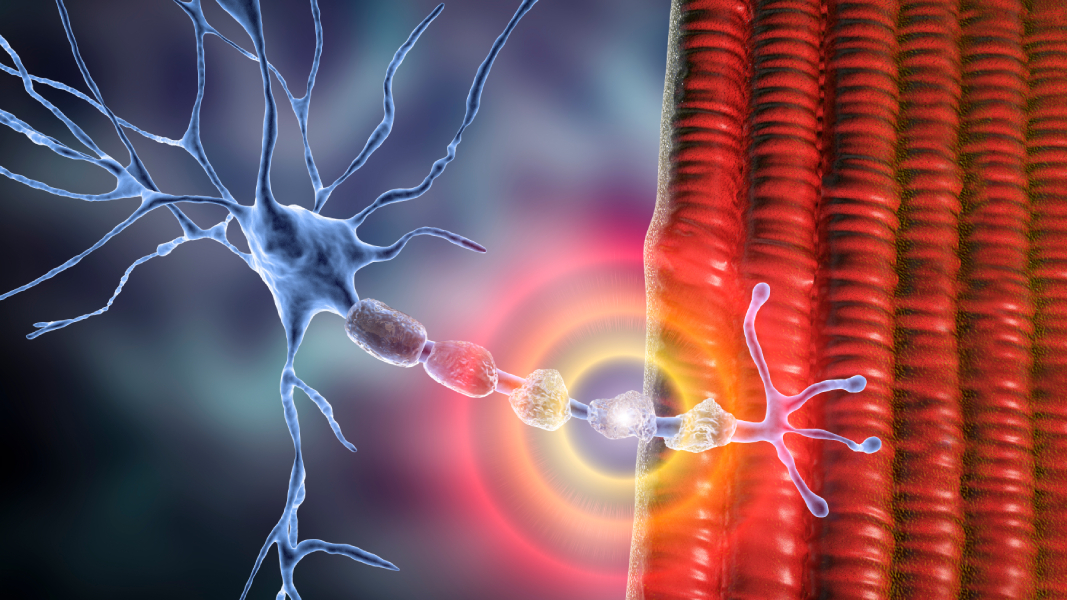
Diabetic peripheral neuropathy (DPN) is a type of nerve damage caused by prolonged high blood sugar levels in people with diabetes. It is among the most prevalent health conditions associated with long-term diabetes management, and it most commonly affects the legs and feet, though it can also involve the hands and arms. Over time, elevated blood sugar can damage the small blood vessels that supply the nerves throughout the body, reducing blood flow and leading to progressive nerve injury. Understanding this condition is an important first step toward protecting your overall health and quality of life.

Woman at elevators in front of San Antonio Eye Specialists sign.

How Peripheral Neuropathy Affects the Body

Diabetic peripheral neuropathy affects the body in ways that range from mildly uncomfortable to severely limiting. As nerve damage progresses, patients may notice growing difficulty with balance, coordination, and walking. In more advanced cases, DPN can lead to serious complications such as foot ulcers, infections, and other problems that significantly reduce mobility and independence.

The symptoms of DPN vary from person to person, but commonly include:

  • Numbness or tingling, particularly in the feet, legs, or hands, that may reduce the ability to feel touch or temperature
  • Sharp, burning, or shooting pain in the feet and legs
  • Sensitivity to touch, where even light contact can cause significant discomfort
  • Muscle weakness in the feet or hands that affects coordination and stability
  • Loss of balance, especially while walking or standing

Because some of these symptoms, like numbness, can dull the body's natural warning signals, patients living with DPN may not notice a sore or wound on their feet until it has already become a more serious problem. This makes effective neuropathy treatment and ongoing management especially important.

A physical therapist in blue scrubs examines a woman's lower back as she sits on an exam table in a clinic, lifting her shirt slightly to expose the area.

Neuropathy Treatment Options at Our San Marcos Pain Clinic

Managing diabetic peripheral neuropathy requires a comprehensive approach that addresses both the pain and the underlying factors that drive it. At Greater Austin Pain Center's San Marcos pain clinic, our team works with each patient to develop an individualized treatment plan. Care for DPN may include several complementary components:

Blood sugar management forms the foundation of any effective neuropathy treatment plan. Keeping blood glucose within a healthy range, through medication, dietary adjustments, and regular physical activity, can help slow the progression of nerve damage. For patients whose primary care physician or endocrinologist is already guiding this aspect of their care, GAPC coordinates alongside those providers.

Medication for pain relief is often an important part of managing the chronic pain and discomfort of DPN. Anticonvulsants such as gabapentin and pregabalin, certain antidepressants, and topical treatments may help reduce nerve-related pain symptoms. Your care team will discuss which options are appropriate based on your individual situation.

Lifestyle modifications, including regular exercise, a balanced low-sugar diet, quitting smoking, and limiting alcohol intake, can support both blood sugar control and circulation, two factors that directly affect neuropathy symptoms and overall health.

Foot care is a critical but sometimes overlooked part of DPN management. Routine inspection of the feet for sores, blisters, or signs of infection, combined with proper hygiene and well-fitting footwear, can help prevent complications that often arise when numbness reduces a patient's awareness of foot injuries.

For patients whose pain relief is not adequately achieved through these measures, interventional procedures may offer additional benefit. Nerve Blocks use local anesthetic injections to help interrupt pain signals from affected nerves. Spinal Cord Stimulators involve an implanted device that modifies the way pain signals are sent to the brain, and may be appropriate for select patients with refractory neuropathic pain. Peripheral Nerve Stimulation is another interventional option that targets specific nerves involved in pain transmission and may benefit some patients with peripheral neuropathy. Your specialist at our San Marcos pain clinic will help determine which treatment options align with your clinical picture and goals.

Woman at elevators in front of San Antonio Eye Specialists sign.

Getting Care for Diabetic Peripheral Neuropathy in San Marcos

1

Step 1: Schedule an Appointment

Reaching out to our San Marcos, TX office is the first step toward getting an accurate assessment of your neuropathy symptoms. You can schedule a consultation by calling (512) 298-1645 or by using our online scheduling tool. Our team is currently accepting new patients and will work to find an appointment time that fits your schedule.

2

Step 2: Evaluation and Diagnosis

At your first visit, a pain specialist will take a thorough history of your diabetes, your current symptoms, and any prior treatments you have tried. The evaluation will focus on the nature, location, and severity of your pain, numbness, tingling, or muscle weakness, as well as any functional limitations affecting your balance, coordination, or mobility. This information guides an accurate understanding of your condition and helps rule out other contributing health conditions.

3

Step 3: Your Personalized Treatment Plan

Based on your evaluation, your care team will work with you to build a treatment plan that addresses both pain relief and the longer-term management of your peripheral neuropathy. For many patients, this involves a combination of medication, lifestyle guidance, foot care education, and, where appropriate, interventional procedures. Your plan will be tailored to your specific symptoms and goals, not a one-size-fits-all approach.

4

Step 4: Ongoing Care and Follow-Up

Diabetic peripheral neuropathy is a condition that typically requires ongoing attention rather than a single intervention. Follow-up visits allow your care team to monitor how your symptoms respond to treatment, adjust your plan as needed, and screen for any new complications. Patients are encouraged to communicate changes in their symptoms between appointments so that care can be refined over time.

Testimonials

5 gold stars

"Dr. Jarzembeck is AMAZING. I HIGHLY recommend her for anyone suffering in pain. She goes above and beyond to make sure her patients pain has been dealt with."

Genia G.
5 gold stars

"Everyone is so friendly and helpful, Dr. Bednar came to me and explained the procedure and answered my questions. Highly recommend!"

Maggie G.
5 gold stars

"Dr. Julia is the best! The staff is professional and friendly to all. Best of all, Dr. Julia is finding solutions for my chronic pain! Never thought that it would be possible. It's a journey for me, but it seems like there is a solution."

Nancy M.

Frequently Asked Questions

How long does diabetic peripheral neuropathy typically last?

arrow icon

DPN can persist for months or years, particularly when blood sugar levels remain difficult to control. The duration and progression of symptoms vary from person to person. Effective management may help slow progression and reduce the impact of symptoms over time, but neuropathy often requires ongoing care rather than a time-limited course of treatment.

Can diabetic peripheral neuropathy be reversed?

arrow icon

In most cases, DPN cannot be fully reversed. However, effective management through blood sugar control, medication, lifestyle changes, and in some cases interventional procedures can meaningfully reduce symptoms and help protect quality of life. Early and consistent treatment tends to produce better outcomes than waiting until symptoms become severe.

What symptoms indicate I may have DPN?

arrow icon

Common symptoms of diabetic peripheral neuropathy include numbness or tingling in the feet, legs, or hands; sharp, burning, or shooting pain; sensitivity to touch; muscle weakness; and loss of balance or coordination. Some people also notice that their feet feel numb enough that they do not detect minor injuries. If you have diabetes and are experiencing any of these symptoms, discussing them with a healthcare provider is important.

Who is most at risk for developing diabetic peripheral neuropathy?

arrow icon

Anyone living with diabetes is at some risk for DPN. That risk increases with poor blood sugar control, longer duration of diabetes, older age, obesity, smoking, excessive alcohol use, and a lack of regular physical activity. People with multiple risk factors should talk with their care team about monitoring and prevention strategies.

How is pain from diabetic peripheral neuropathy managed?

arrow icon

Pain management for DPN typically involves a combination of approaches. These may include medications such as anticonvulsants or certain antidepressants, topical treatments, lifestyle modifications that support circulation and blood sugar control, and interventional procedures such as nerve blocks or spinal cord stimulation for patients whose pain does not respond adequately to other measures. Your care team can recommend a plan based on your specific symptoms and overall health.

What should I do if my current neuropathy treatment is not working?

arrow icon

If your current treatment is not providing adequate relief, it is worth discussing alternatives with a pain specialist. There are multiple approaches to managing diabetic peripheral neuropathy, and finding the right combination may take some adjustment. A specialist at our San Marcos pain clinic can review your history and help identify options you may not have tried yet. You can call our office to schedule a consultation.

Lunch & Learn With Our Doctors

Curious about interventional pain treatments in Austin, TX? Join our doctors for an in-person lunch and learn session to find out more about these treatments and ask any questions you may have. This event will be 12–1pm, sign up below to receive more details and RSVP.

Loading security check...

Thank you! Your submission has been received!
Oops! Something went wrong while submitting the form.

Find Diabetic Peripheral Neuropathy Relief at Greater Austin Pain Center in San Marcos

If you are struggling with the chronic pain, numbness, or discomfort of diabetic peripheral neuropathy, the team at Greater Austin Pain Center is ready to help you find a treatment approach that works. Our San Marcos, TX clinic is accepting new patients today -- call us at (512) 298-1645 or schedule online to begin your consultation. We also serve patients throughout Central Texas from our locations in Austin, Kyle, and Dripping Springs.

Schedule an Appointment

Relieve Your Pain Today!
Disclaimer: Using this form does not establish a patient-physician relationship. This form is not to be used for emergencies or urgent requests. Please call 911 if you have a life-threatening emergency.
By submitting this form you agree to the collection of your personal data pursuant to our privacy policy.

Loading security check...

Green padlock icon
All Information Is Secure and Confidential
Thank you! Your submission has been received!
Oops! Something went wrong while submitting the form.
A modern medical office waiting room with gray chairs, small tables with plants and brochures, wood-style flooring, and a reception desk. The wall displays the sign "Greater Austin Pain Center."

Greater Austin Pain Center Is Hiring! Apply Online Today