Currently accepting new patients
Address

‍
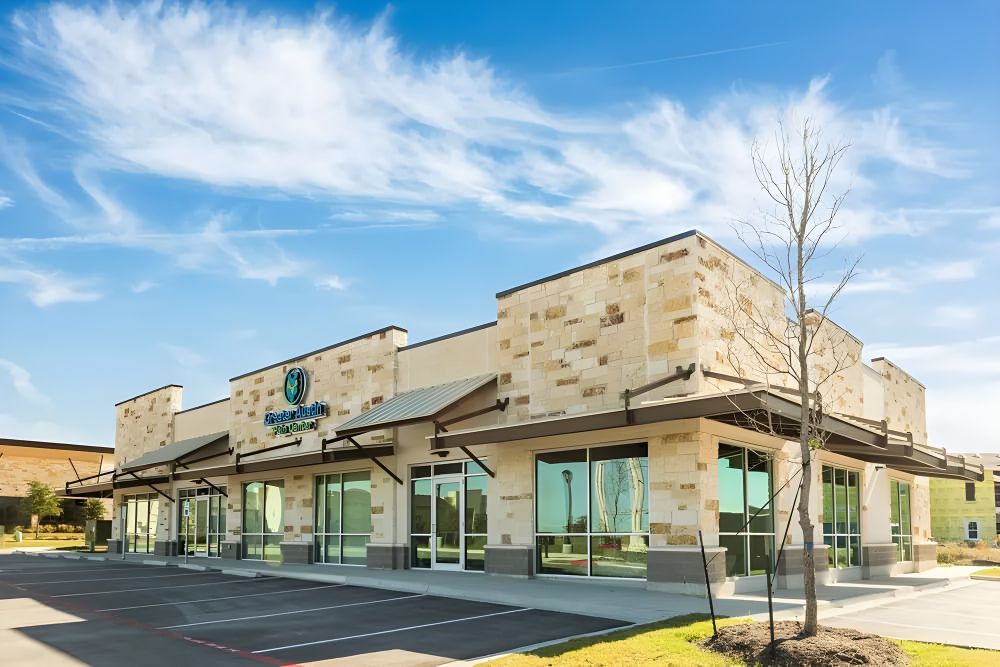
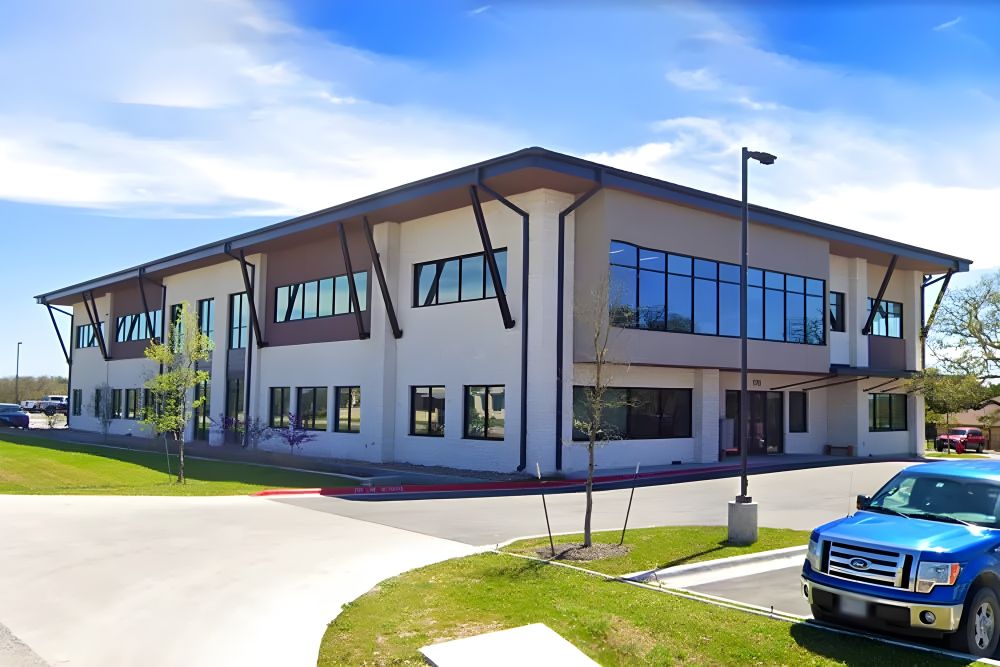
2007 Medical Pkwy, Suite B
San Marcos, TX 78666
Get Directions

Office hours

Mon - Friday: 8AM – 5PM
Weekends:
Closed

Phone

Phone: (512) 298-1645

Fax: (512) 298-1795

Accepted insurance

- Aetna
- Blue Cross/Blue Shield (BCBS)
- Champ VA
- Cigna
- CMS
- Connected Senior Care Alliance
- Friday
- GEHA
- Humana
- Medicare
- Multiplan
- Oscar
- Railroad Medicare
- Smarthealth
- Tricare
- Triwest
- United Healthcare
- WellMed
- Worker's Compensation
- Private Pay

What Is Complex Regional Pain Syndrome?

Complex regional pain syndrome (CRPS) is a chronic pain condition characterized by prolonged pain in one or more limbs that is disproportionate in intensity or duration to the original injury or event that triggered it. The condition most commonly affects an arm, hand, leg, or foot, and the pain it produces can be persistent and difficult to manage without appropriate intervention.

CRPS is sometimes referred to by an older term, reflex sympathetic dystrophy syndrome (also called reflex sympathetic dystrophy), particularly when discussing earlier literature or certain insurance classifications. Regardless of terminology, the condition involves dysfunction in the peripheral nervous system and, in some cases, the central nervous system, which together regulate how pain signals are processed and perceived. Pain management specialists recognize two forms of CRPS, distinguished primarily by whether a specific nerve injury has been identified.

Because CRPS is a complex regional pain syndrome that can evolve over time, early evaluation by qualified pain specialists is important. The pain management team at Greater Austin Pain Center in San Marcos, TX is experienced in evaluating and treating this condition using a multidisciplinary approach.

Woman at elevators in front of San Antonio Eye Specialists sign.

How Complex Regional Pain Syndrome Affects the Body

CRPS can present as either an acute or chronic pain condition. In some patients, symptoms may resolve with short-term treatment; in others, the condition becomes a long-term source of significant pain and functional limitation. The pain associated with CRPS is not simply discomfort at the site of an old injury. It typically involves changes across the affected limb and, in severe cases, can spread to other areas of the body.

Common symptoms of complex regional pain syndrome include:

  • Continuous burning or severe pain in the affected limb
  • Swelling of the affected area
  • Sensitivity to light touch or temperature changes in the affected area
  • Changes in skin color (the limb may appear red, pale, or bluish)
  • Changes in skin temperature in the affected area
  • Altered hair or nail growth on the affected limb
  • Limited range of motion
  • Muscle weakness or, in advanced stages, muscle loss

In later stages, the affected limb may experience more significant changes in skin color, texture, and strength. Severe cases of complex regional pain syndrome have been associated with long-term disability when the condition goes untreated or is not adequately managed. Pain symptoms can also, in some cases, involve adjacent areas such as the neck, joints, or even spread to the opposite limb.

A physical therapist in blue scrubs examines a woman's lower back as she sits on an exam table in a clinic, lifting her shirt slightly to expose the area.

Treatment Options for Complex Regional Pain Syndrome in San Marcos, TX

Treating chronic pain caused by complex regional pain syndrome typically requires a multidisciplinary approach that combines interventional pain management treatments with supportive care. At Greater Austin Pain Center, the focus is on interventional strategies designed to address the root cause of pain signaling rather than simply masking pain symptoms.

CRPS treatments available through Greater Austin Pain Center include:

  • Peripheral Nerve Stimulation, which delivers targeted electrical signals to interrupt abnormal pain signals in the peripheral nervous system
  • Spinal Cord Stimulators, a well-established form of spinal cord stimulation that can modulate pain signals traveling through the spinal cord
  • Dorsal Root Ganglion Stimulation, a more targeted form of spinal cord stimulation directed at specific pain pathways, particularly useful when pain is localized to a defined area
  • Ketamine Infusion Therapy, which may help modulate central nervous system pain processing in patients with refractory CRPS
  • Nerve Blocks, which can provide pain relief and help interrupt the cycle of abnormal pain signaling
  • Radiofrequency Ablation, used in selected cases to reduce ongoing pain signals
  • Sympathetic Ganglion Blocks, which target the sympathetic nervous system pathways involved in some forms of CRPS

These minimally invasive procedures represent some of the latest minimally invasive therapies available for complex regional pain syndrome. Because non surgical approaches are preferred whenever clinically appropriate, the pain management specialists at Greater Austin Pain Center work closely with each patient to identify the most suitable CRPS treatments for their specific situation.

A comprehensive treatment plan for complex regional pain syndrome may also incorporate medication management alongside interventional CRPS treatments. Physical therapy is an important component of recovery for many patients with CRPS, and the care team at GAPC can coordinate a referral to physical therapy to support mobility, lifestyle modifications, and overall well-being. The goal of this individualized approach is to support each patient's physical activity and function, not only pain relief.

Early treatment is consistently associated with better outcomes in managing complex regional pain syndrome. Patients in San Marcos and nearby communities are encouraged not to delay evaluation if they are experiencing pain symptoms consistent with CRPS.

Woman at elevators in front of San Antonio Eye Specialists sign.

Getting Care for Chronic Pain at Greater Austin Pain Center

1

Schedule Your First Appointment

Reaching out to Greater Austin Pain Center is the first step toward addressing complex regional pain syndrome. New patients are currently being accepted at the San Marcos office, conveniently located at 2007 Medical Pkwy, Suite B, San Marcos, TX 78666. Appointments can be scheduled online or by phone, and the care team will work with you to find a time that fits your schedule.

2

Evaluation and Diagnosis

At your first visit, one of GAPC's board certified physicians will conduct a thorough physical examination and review your complete medical history, including any prior injuries, surgeries, or treatments. Because complex regional pain syndrome can present in ways that overlap with other pain conditions, your provider may also order additional diagnostic testing to support an accurate diagnosis and develop a better understanding of your specific pain syndrome. Test results are reviewed carefully before any treatment recommendations are made.

3

Your Personalized Treatment Plan

Based on your physical examination, medical history, and any test results, your care team will build a customized plan designed around your goals, overall health, and the nature of your complex regional pain. This plan may combine interventional pain management treatments such as spinal cord stimulation or peripheral nerve stimulation with medication management and coordination of physical therapy where appropriate. The individualized approach at GAPC means your treatment plan reflects your specific situation, not a one-size-fits-all protocol.

4

Ongoing Care and Follow-Up

Complex regional pain syndrome is a chronic pain condition that often requires ongoing monitoring and adjustment of the treatment plan over time. The pain management specialists at Greater Austin Pain Center provide regular follow-up to assess your response to CRPS treatments, address any changes in pain symptoms, and refine your care as needed. The goal is to support your long-term well-being and help you maintain as much function and quality of life as possible throughout the course of treatment.

Testimonials

5 gold stars

"Dr. Jarzembeck is AMAZING. I HIGHLY recommend her for anyone suffering in pain. She goes above and beyond to make sure her patients pain has been dealt with."

Genia G.
5 gold stars

"Everyone is so friendly and helpful, Dr. Bednar came to me and explained the procedure and answered my questions. Highly recommend!"

Maggie G.
5 gold stars

"Dr. Julia is the best! The staff is professional and friendly to all. Best of all, Dr. Julia is finding solutions for my chronic pain! Never thought that it would be possible. It's a journey for me, but it seems like there is a solution."

Nancy M.

Frequently Asked Questions

What is the difference between CRPS Type 1 and CRPS Type 2 (reflex sympathetic dystrophy)?

arrow icon

CRPS Type 1 is typically triggered by a limb injury, surgery, or other trauma where no specific nerve injury is identified as the direct cause of the ongoing pain. CRPS Type 2, also known as causalgia or reflex sympathetic dystrophy, is associated with a documented direct injury to a specific nerve. Both types involve the peripheral nervous system and can produce similar symptoms, but distinguishing between them can help guide treatment planning. Your provider can help determine which form of complex regional pain syndrome may be involved based on your history and evaluation.

What are the most common symptoms of complex regional pain syndrome?

arrow icon

The most frequently reported symptoms include continuous burning or severe pain in an affected limb, swelling, sensitivity to light touch, and limited range of motion. Changes in skin color, skin temperature, and hair or nail growth in the affected area are also common. In later stages, the limb may become pale or bluish, and muscle loss can occur. In severe cases, complex regional pain syndrome can spread to affect other parts of the body, including the opposite limb.

Can complex regional pain syndrome be treated?

arrow icon

Yes, complex regional pain syndrome can be treated. When evaluation and care begin early in the course of the condition, there is a meaningful opportunity to reduce pain symptoms and limit further involvement of the affected limb. CRPS treatments available at Greater Austin Pain Center include peripheral nerve stimulation, spinal cord stimulation, dorsal root ganglion stimulation, ketamine infusion therapy, nerve blocks, and other interventional options, often used alongside medication management and physical therapy referrals.

Is complex regional pain syndrome preventable?

arrow icon

Not reliably. It is still poorly understood why some patients develop CRPS after a limb injury while others with similar injuries do not. Because the condition is difficult to predict, the most important step is seeking evaluation early if you notice pain symptoms that seem disproportionate to an injury or that are not resolving as expected. Early intervention is associated with better outcomes.

Does insurance cover treatment for complex regional pain syndrome?

arrow icon

Greater Austin Pain Center accepts a broad range of insurance plans, including Aetna, Blue Cross/Blue Shield, Cigna, Humana, Medicare, Tricare, United Healthcare, and others, as well as Workers' Compensation and private pay. Coverage for specific CRPS treatments varies by plan and individual circumstances. The team at the San Marcos office can help verify your insurance benefits and answer questions about your coverage before your first appointment.

What should I expect at my first appointment for CRPS at the San Marcos clinic?

arrow icon

At your first appointment, a board certified physician will review your medical history in detail and perform a physical examination to assess your pain symptoms and overall condition. Depending on what the evaluation reveals, additional diagnostic testing may be recommended to support an accurate understanding of your complex regional pain syndrome. From there, your care team will discuss treatment options and begin building a personalized treatment plan tailored to your needs. The san marcos clinic is located at 2007 Medical Pkwy, Suite B, and is open Monday through Friday, 8 AM to 5 PM.

Lunch & Learn With Our Doctors

Curious about interventional pain treatments in Austin, TX? Join our doctors for an in-person lunch and learn session to find out more about these treatments and ask any questions you may have. This event will be 12–1pm, sign up below to receive more details and RSVP.

Loading security check...

Thank you! Your submission has been received!
Oops! Something went wrong while submitting the form.

Find Complex Regional Pain Syndrome Relief at Greater Austin Pain Center

If you are living with the prolonged pain of complex regional pain syndrome in the San Marcos area, the pain management specialists at Greater Austin Pain Center are here to help. Contact our San Marcos, TX office today to schedule an appointment, or call us at (512) 298-1645. With locations across Central Texas, including Austin, Kyle, and Dripping Springs, our team is committed to delivering compassionate care and high quality care to patients throughout the region.

Schedule an Appointment

Relieve Your Pain Today!
Disclaimer: Using this form does not establish a patient-physician relationship. This form is not to be used for emergencies or urgent requests. Please call 911 if you have a life-threatening emergency.
By submitting this form you agree to the collection of your personal data pursuant to our privacy policy.

Loading security check...

Green padlock icon
All Information Is Secure and Confidential
Thank you! Your submission has been received!
Oops! Something went wrong while submitting the form.
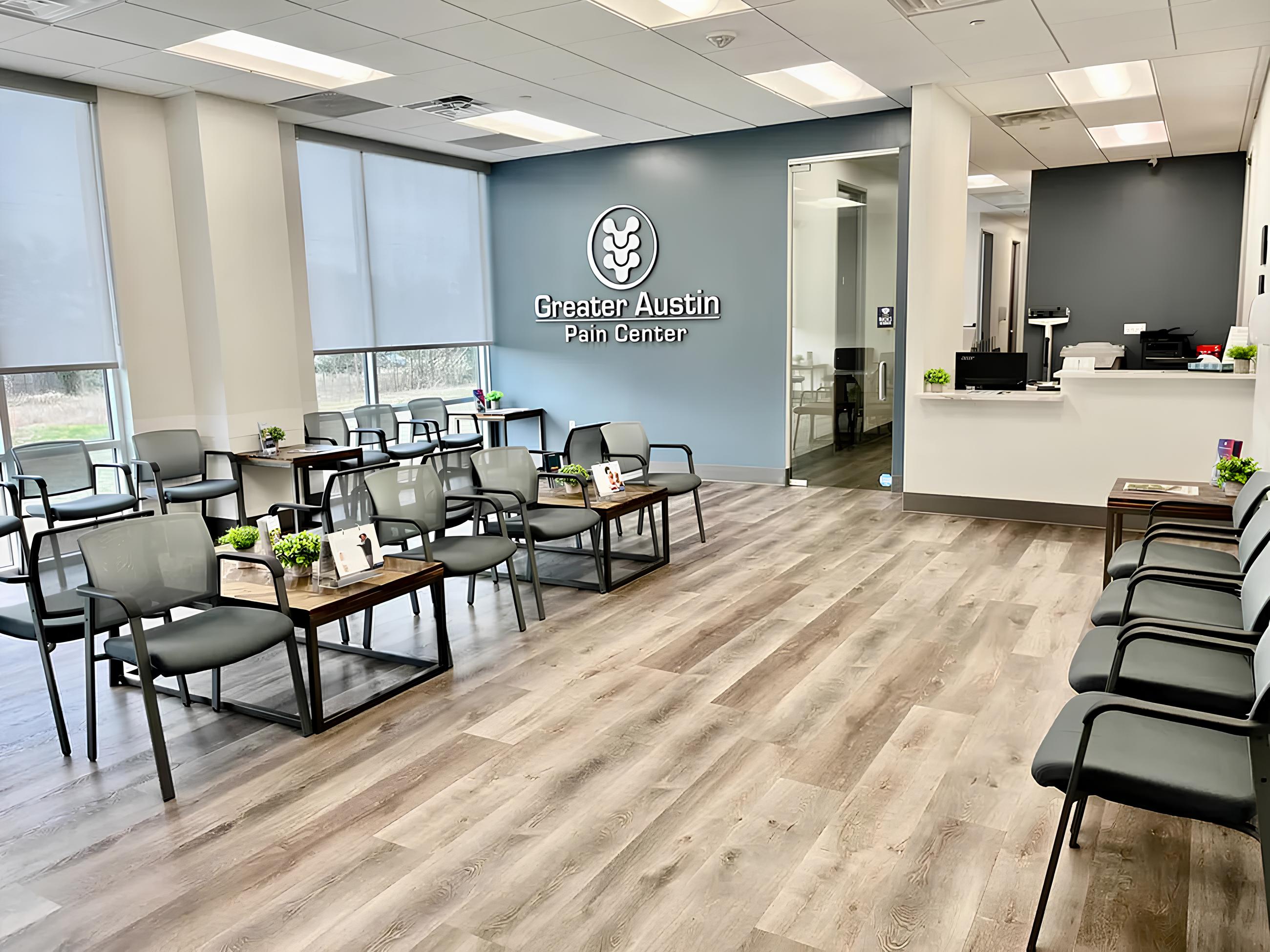
A modern medical office waiting room with gray chairs, small tables with plants and brochures, wood-style flooring, and a reception desk. The wall displays the sign "Greater Austin Pain Center."

Greater Austin Pain Center Is Hiring! Apply Online Today