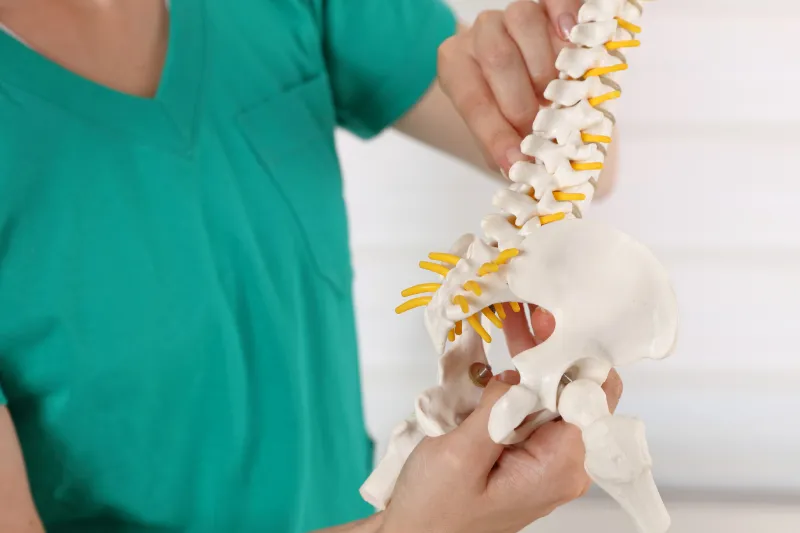
How Healthcare Providers at GAPC Help Relieve Tailbone Pain
Greater Austin Pain Center takes an individualized approach to coccydynia pain, recognizing that the most effective path forward depends on the underlying causes, the duration of symptoms, and how significantly coccyx pain is affecting each patient's daily life. Healthcare providers at GAPC evaluate each case carefully before recommending any course of care.
For many patients, an initial focus on conservative strategies can meaningfully reduce pain and allow the tailbone area to recover. These may include activity modification, guidance on posture and sitting support, and the use of a donut cushion or similar support to relieve direct pressure on the coccyx while seated. Applying ice packs during acute flare-ups may help reduce inflammation and discomfort in the early stages. Your care team may also refer you to physical therapy, where targeted exercises to support the pelvic floor muscles, improve posture, and address muscle tension in the surrounding soft tissues can be a valuable part of recovery.
When conservative measures do not provide sufficient relief and pain persists or worsens, interventional options may be appropriate. Injections at the sacrococcygeal joint or in the surrounding tissues can help reduce inflammation and relieve tailbone pain, and GAPC's providers can evaluate whether Joint Injections or Nerve Blocks are well-suited to a patient's presentation. For patients with chronic coccydynia that has not responded to other treatments, Radiofrequency Ablation may be discussed as an option to help reduce pain signals from the affected area. In rare cases, a surgical referral may be considered when severe pain has not responded to comprehensive non-surgical care.
Throughout the process, GAPC's healthcare providers work collaboratively with patients to adjust care as needed, with the shared goal of helping each person move toward a more functional, pain-free life.