Currently accepting new patients
Address

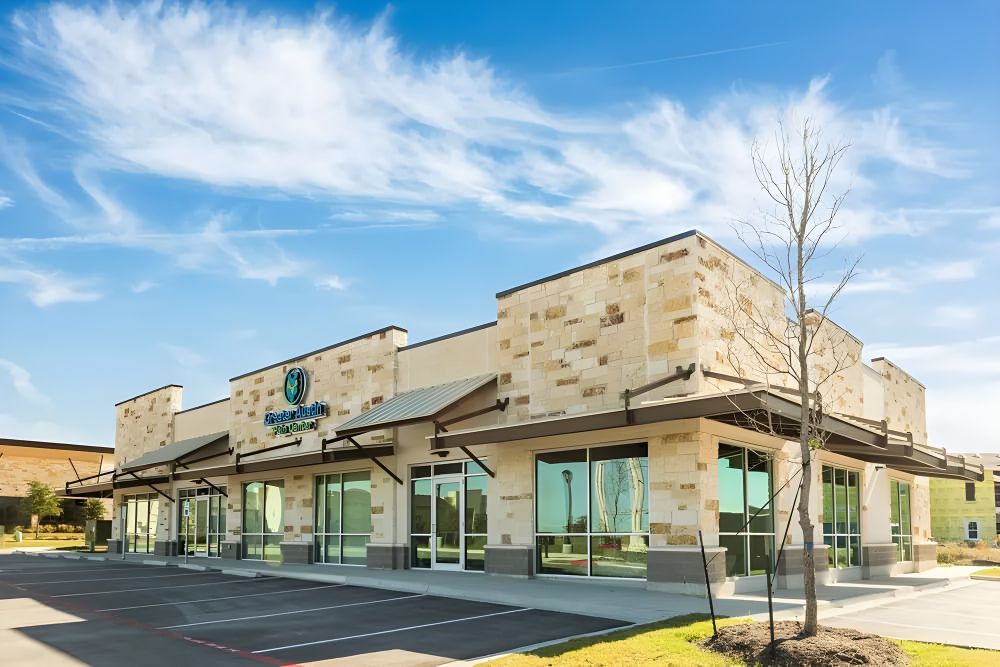
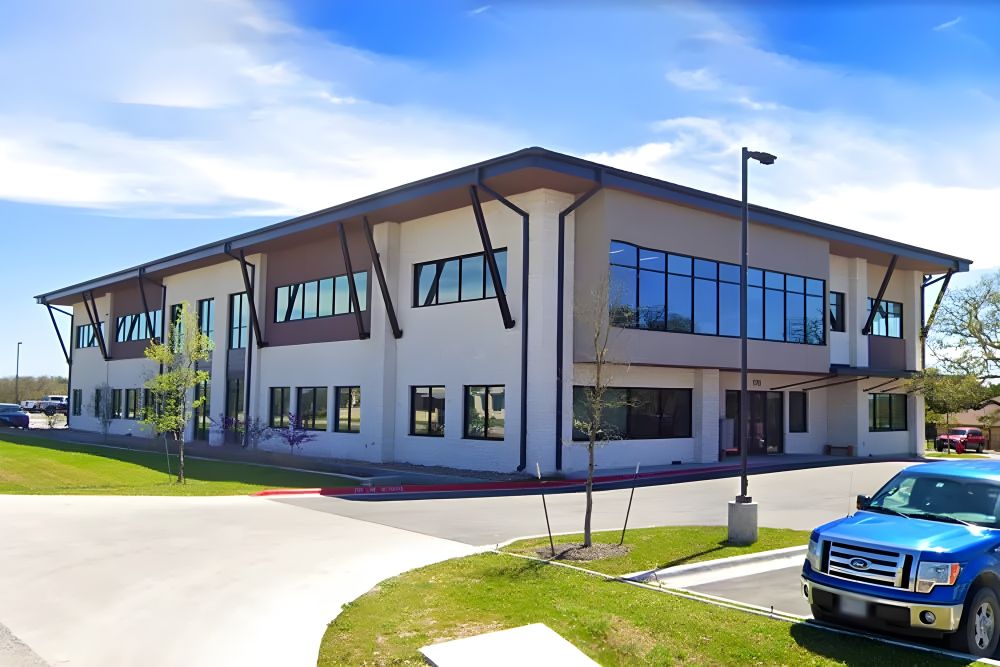
4210 Benner Rd
Kyle, TX 78640
Get Directions

Office hours

Mon - Friday: 8AM – 5PM
Weekends:
Closed

Phone

Phone: (512) 298-1645

Fax: (512) 298-1795

Accepted insurance

- Aetna
- Blue Cross/Blue Shield (BCBS)
- Champ VA
- Cigna
- CMS
- Connected Senior Care Alliance
- Friday
- GEHA
- Humana
- Medicare
- Multiplan
- Oscar
- Railroad Medicare
- Smarthealth
- Tricare
- Triwest
- United Healthcare
- WellMed
- Worker's Compensation
- Private Pay

What Is Leg Pain?

Leg pain is a general term that covers a wide range of conditions producing unpleasant sensations in the lower extremities. It can present as pain, numbness, tingling, "pins and needles" sensations, burning, or other forms of discomfort. While many people assume leg pain begins in the leg itself, problems in the low back are among the most common underlying causes, though issues with the nerves, joints, bones, or muscles of the legs can all contribute as well.

At Greater Austin Pain Center's Kyle, TX clinic, our pain management specialists use a combination of patient history, physical examination, x-rays, and other imaging studies to diagnose the root cause of each patient's leg pain before recommending a treatment plan. Understanding what is driving the symptoms is the first step toward meaningful, lasting relief.

Woman at elevators in front of San Antonio Eye Specialists sign.

How Leg Pain Affects Daily Life

Chronic leg pain can be deeply debilitating, affecting physical function, mental well-being, and overall quality of life. Patients dealing with leg pain often find that their symptoms interfere with daily activities like walking, climbing stairs, or sleeping through the night. Leg pain can occur with movement, at rest, or both, making it difficult to maintain the level of physical activity many patients in Kyle, TX are accustomed to.

Common symptoms associated with leg pain include:

  • Burning or shooting pain radiating from the back or buttocks into the legs
  • Numbness and tingling
  • "Pins and needles" sensations
  • Feelings of warmth or coldness in the legs
  • Instability or weakness of the lower extremities
  • Swelling
  • Changes to the skin, nails, or hair of the legs

Left unaddressed, chronic leg pain can limit independence and prevent patients from returning to the daily life they once had. Identifying the root cause early can help prevent complications and support better long-term outcomes.

A physical therapist in blue scrubs examines a woman's lower back as she sits on an exam table in a clinic, lifting her shirt slightly to expose the area.

Interventional Pain Management and Treatment Options for Leg Pain in Kyle, TX

Greater Austin Pain Center takes an individualized approach to pain management, recognizing that no two patients experience leg pain the same way. Treatment options are selected based on the identified root cause, the severity and duration of symptoms, and each patient's overall health and medical history.

For many patients, conservative care is an appropriate starting point. Your care team may recommend physical therapy or other supportive measures to help manage acute discomfort and improve function. Medication management is another early option that can help control pain symptoms while further evaluation takes place.

When conservative care alone is not sufficient, our board certified pain doctors offer a range of minimally invasive procedures and interventional pain management treatments, including:

For patients whose evaluation reveals a surgical indication, our team can coordinate an appropriate referral to a spine surgeon, orthopedic specialist, or podiatrist. Conversely, patients who are not surgical candidates often find that minimally invasive treatments such as nerve stimulation can provide meaningful, lasting results. The goal at Greater Austin Pain Center is to help patients find relief, restore function, and work toward the most active, fulfilling daily life possible.

GAPC can also refer patients to physical therapy and other supportive services as part of a coordinated, comprehensive plan.

Woman at elevators in front of San Antonio Eye Specialists sign.

Getting Care at Greater Austin Pain Center's Kyle, TX Pain Clinic

1

Step 1: Schedule an Appointment

Scheduling your first appointment at Greater Austin Pain Center's pain clinic in Kyle, TX is straightforward. Our team is currently accepting new patients and can work with most major insurance plans. Whether your leg pain is acute and recent or has become a chronic concern over months or years, our pain specialists are ready to help you take the first step toward relief.

2

Step 2: Evaluation and Diagnosis

At your first visit, your provider will review your medical history, conduct a thorough physical examination, and may order x-rays or other imaging studies as needed. This process is designed to diagnose the root cause of your leg pain, whether that is a lumbar spine problem, nerve irritation, joint pathology, or another contributing condition. Understanding the full clinical picture is essential before recommending any pain treatment.

3

Step 3: Your Personalized Treatment Plan

Once a diagnosis is established, your care team will develop a personalized treatment plan tailored to your specific pain conditions, health history, and goals. Your plan may include minimally invasive procedures, medication management, injections, nerve stimulation therapies, referrals for physical therapy, or a combination of these approaches. Greater Austin Pain Center's pain management specialists focus on finding lasting relief, not just short-term symptom control.

4

Step 4: Ongoing Care and Follow-Up

Pain management is often an ongoing process, and Greater Austin Pain Center is committed to providing specialized care at every stage. Your provider will monitor your response to treatment and adjust your comprehensive plan as needed to support continued progress. Many patients return for follow-up visits to optimize their results and maintain the quality of life they have worked to regain.

Testimonials

5 gold stars

"Dr. Jarzembeck is AMAZING. I HIGHLY recommend her for anyone suffering in pain. She goes above and beyond to make sure her patients pain has been dealt with."

Genia G.
5 gold stars

"Everyone is so friendly and helpful, Dr. Bednar came to me and explained the procedure and answered my questions. Highly recommend!"

Maggie G.
5 gold stars

"Dr. Julia is the best! The staff is professional and friendly to all. Best of all, Dr. Julia is finding solutions for my chronic pain! Never thought that it would be possible. It's a journey for me, but it seems like there is a solution."

Nancy M.

Frequently Asked Questions

Can leg pain actually originate from a problem in my low back?

arrow icon

Yes. One of the most common causes of leg pain symptoms is pathology in the lumbar spine. Pinched or compressed nerves in the low back can produce pain, numbness, tingling, and other sensations that radiate into the legs. The good news is that these conditions can often be treated with minimally invasive procedures, which may help many patients avoid the need for spine surgery.

What minimally invasive procedures are available for chronic leg pain?

arrow icon

Greater Austin Pain Center offers a range of minimally invasive treatments for chronic leg pain depending on its cause. These include epidural injections, nerve blocks, radiofrequency ablation, joint injections, viscosupplementation, platelet rich plasma, peripheral nerve stimulation, dorsal root ganglion stimulation, and spinal cord stimulation. Your care team will recommend the options most appropriate for your specific diagnosis and pain management goals.

Are there treatment options for nerve pain if medications haven't helped?

arrow icon

Yes. Nerve pain from diabetes, cancer treatment, or other medical conditions can be difficult to manage with medication alone. When medications have not provided adequate relief, interventional pain management options such as nerve blocks and nerve stimulators, including spinal cord stimulators, dorsal root ganglion stimulators, and peripheral nerve stimulators, may offer meaningful pain relief for many patients.

What if I have been told I am not a good surgical candidate?

arrow icon

Many patients who are not good surgical candidates respond well to interventional pain management treatments. Options such as spinal cord stimulation and peripheral nerve stimulation can help control chronic leg pain without the risks associated with surgery. Our board certified pain specialists in Kyle, TX will work with you to identify the most appropriate non-surgical treatment plan for your situation.

What pain conditions are commonly associated with leg pain?

arrow icon

Leg pain can be associated with a wide range of underlying pain conditions, including lumbar radiculopathy, peripheral neuropathy, arthritis of the hip, knee, or ankle, complex regional pain syndrome, and pain following lower extremity or spinal surgery. Conditions such as diabetes and autoimmune diseases can also contribute to chronic leg discomfort. An accurate diagnosis is the foundation of effective pain treatment.

How do I know when leg pain warrants a visit to a pain management specialist?

arrow icon

If your leg pain has persisted for several weeks despite conservative care, is limiting your daily activities or sleep, or is accompanied by significant numbness, weakness, or instability, it is generally appropriate to consult a pain management specialist. A specialist can help diagnose the root cause of your symptoms and determine which pain management treatments may help you find lasting relief. If you are in Kyle, TX or the surrounding area, you can call our office to schedule an evaluation.

Lunch & Learn With Our Doctors

Curious about interventional pain treatments in Austin, TX? Join our doctors for an in-person lunch and learn session to find out more about these treatments and ask any questions you may have. This event will be 12–1pm, sign up below to receive more details and RSVP.

Loading security check...

Thank you! Your submission has been received!
Oops! Something went wrong while submitting the form.

Find Relief from Leg Pain at Greater Austin Pain Center in Kyle, TX

If leg pain is limiting your daily life, the board certified pain management specialists at Greater Austin Pain Center are here to help. Our Kyle, TX pain clinic is conveniently located for patients throughout the greater Austin area and South Central Texas, and we welcome new patients dealing with both acute and chronic pain conditions. Contact us today at (512) 298-1645 to schedule your appointment, or reach out to our other Central Texas locations in Austin, San Marcos, and Dripping Springs.

Schedule an Appointment

Relieve Your Pain Today!
Disclaimer: Using this form does not establish a patient-physician relationship. This form is not to be used for emergencies or urgent requests. Please call 911 if you have a life-threatening emergency.
By submitting this form you agree to the collection of your personal data pursuant to our privacy policy.

Loading security check...

Green padlock icon
All Information Is Secure and Confidential
Thank you! Your submission has been received!
Oops! Something went wrong while submitting the form.
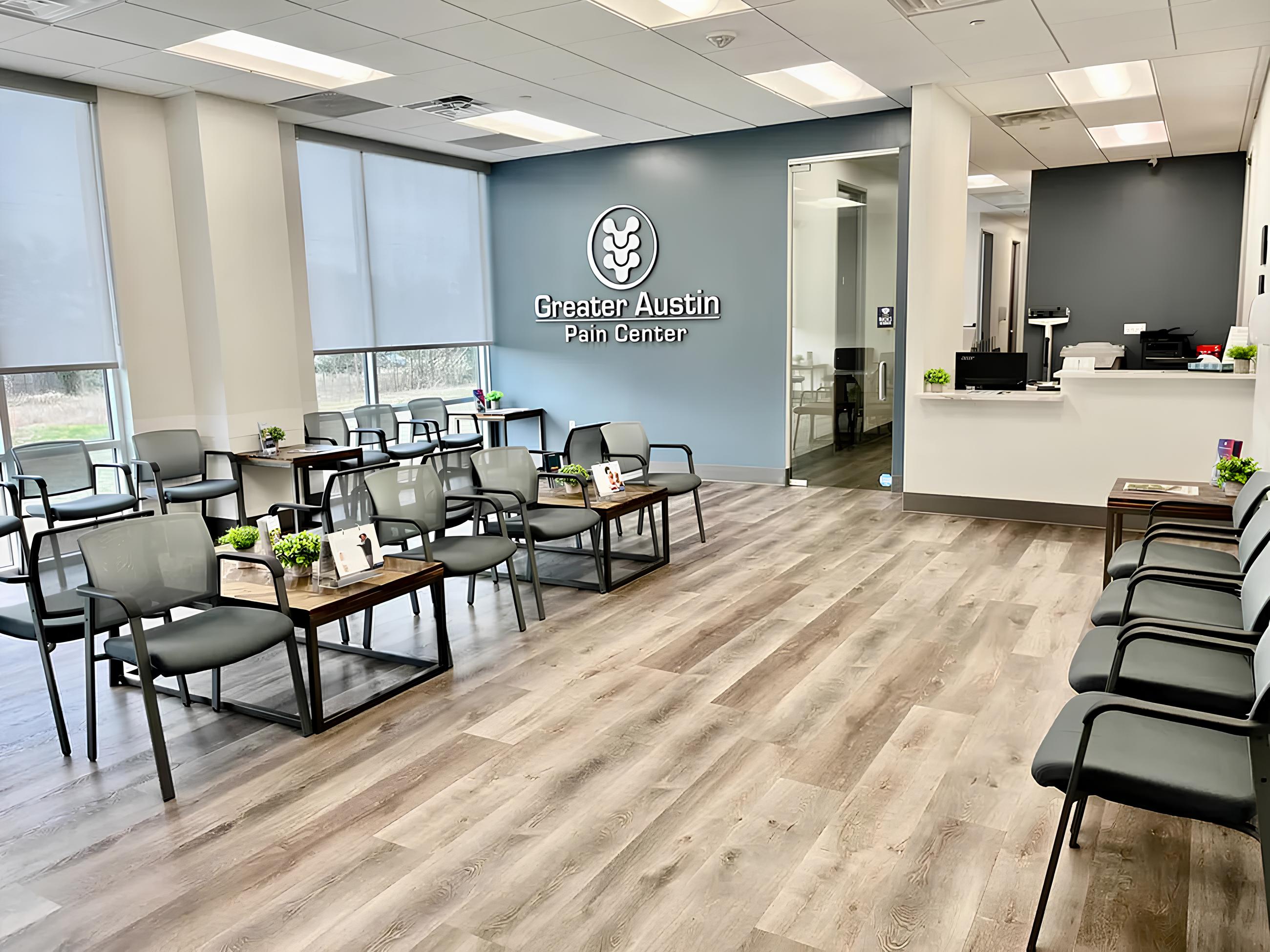
A modern medical office waiting room with gray chairs, small tables with plants and brochures, wood-style flooring, and a reception desk. The wall displays the sign "Greater Austin Pain Center."

Greater Austin Pain Center Is Hiring! Apply Online Today