Currently accepting new patients
Address

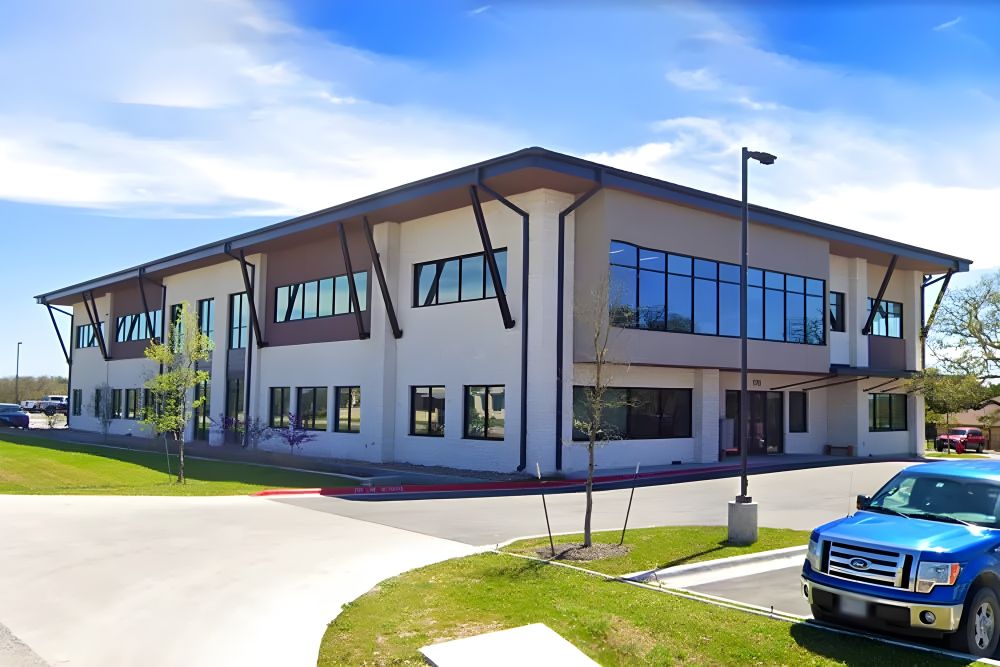
4210 Benner Rd
Kyle, TX 78640
Get Directions

Office hours

Mon - Friday: 8AM – 5PM
Weekends:
Closed

Phone

Phone: (512) 298-1645

Fax: (512) 298-1795

Accepted insurance

- Aetna
- Blue Cross/Blue Shield (BCBS)
- Champ VA
- Cigna
- CMS
- Connected Senior Care Alliance
- Friday
- GEHA
- Humana
- Medicare
- Multiplan
- Oscar
- Railroad Medicare
- Smarthealth
- Tricare
- Triwest
- United Healthcare
- WellMed
- Worker's Compensation
- Private Pay

What Is Coccydynia (Tailbone Pain)?

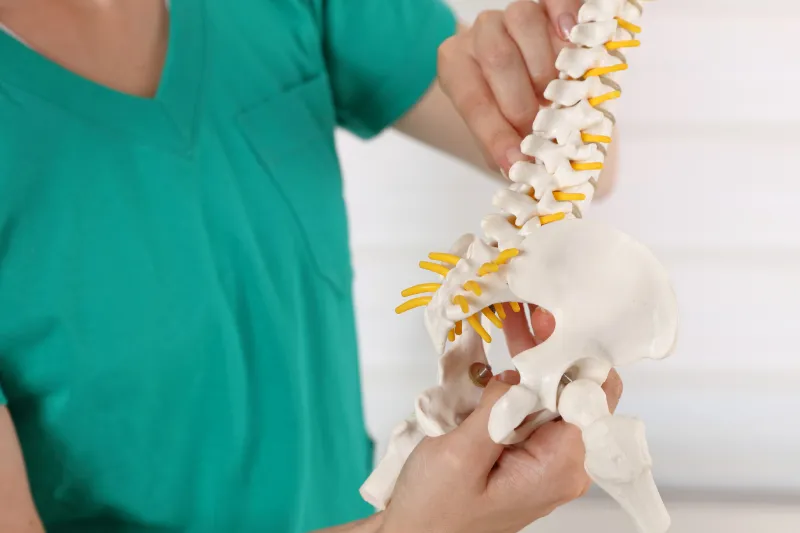
Coccydynia is a term used to describe pain in and around the coccyx, the small triangular bone at the very base of the spine, sometimes called the tail bone. The coccyx serves as an attachment point for several muscles, tendons, and ligaments near the sacrococcygeal joint. When that area becomes inflamed, injured, or subjected to prolonged pressure, patients may develop localized discomfort in the tailbone area that tends to worsen with sitting or changes in position.

Coccyx pain is not always straightforward to identify. A thorough medical history, physical examination, and imaging studies such as x rays are typically part of the diagnostic process. At Greater Austin Pain Center's Kyle, TX location, board certified pain management specialists use that information to understand what is driving a patient's discomfort and to develop an individualized coccydynia treatment approach.

Woman at elevators in front of San Antonio Eye Specialists sign.

How Coccyx Pain Affects the Body and Daily Life

Tailbone pain has a way of touching nearly every part of a patient's daily life. Sitting on hard surfaces, driving, and moving from a seated position to standing can all become sources of significant discomfort. Many patients also notice that prolonged sitting at work or during travel makes symptoms noticeably worse over time.

Beyond localized soreness in the tailbone area, persistent coccydynia can lead to muscle tension in the surrounding pelvic floor muscles and may cause shifts in posture that place added strain on the spine and pelvis. Some patients experience radiating pain into the hips or lower extremities, and others report discomfort during bowel movements due to the pressure that straining places on the coccyx. In some cases, discomfort during sexual intercourse is also reported. When chronic pain from coccydynia goes unaddressed, it can begin to affect sleep, physical activity, and overall quality of life.

Common Symptoms of Coccydynia

  • Localized pain and tenderness directly over the tailbone area
  • Severe pain or discomfort when transitioning from a seated position to standing
  • Aching or sharp pain during prolonged sitting, especially on hard surfaces
  • Swelling or sensitivity to pressure near the coccyx
  • Radiating pain into the hips or legs
  • Discomfort during bowel movements
  • Inflammation and soreness in the surrounding pelvic muscles
  • Pain that disrupts sleep or limits physical activity
A physical therapist in blue scrubs examines a woman's lower back as she sits on an exam table in a clinic, lifting her shirt slightly to expose the area.

Coccydynia Treatment and Interventional Pain Options at GAPC

At Greater Austin Pain Center in Kyle, TX, board certified pain management specialists take a thorough, individualized approach to coccydynia treatment. The goal is to identify the root cause of a patient's tailbone pain and develop a treatment plan aimed at lasting relief, not just temporary relief from symptoms.

Depending on the underlying cause and severity of discomfort, a treatment plan may draw from a range of options. For patients whose symptoms respond to conservative care, activity modification, cushioning strategies to reduce pressure on the coccyx, and lifestyle changes to improve posture can help alleviate pain in the near term. When inflammation is a primary driver, medication management to reduce inflammation may be incorporated. Physical therapy may also be recommended to strengthen pelvic floor muscles and improve posture, though this is coordinated as a referral rather than provided directly at GAPC.

For patients suffering from persistent or chronic pain that has not responded adequately to conservative measures, interventional pain management options may offer more meaningful relief. GAPC's pain specialists may recommend:

In severe cases where pain does not respond to other treatments, surgical options may be considered, and GAPC can provide an appropriate referral. For patients who have experienced tailbone trauma in an auto accident or similar event, Personal Injury / Accident Care is also available.

GAPC's pain management team believes in a multidisciplinary approach, coordinating all aspects of a patient's pain care to support both symptom relief and long-term quality of life. Patients in Kyle, TX and the surrounding area can expect personalized care tailored to their specific symptoms, history, and goals.

Woman at elevators in front of San Antonio Eye Specialists sign.

Getting Care for Coccydynia Pain in Kyle, TX

1

Step 1: Schedule an Appointment

The first step toward addressing tailbone pain is connecting with a qualified pain management doctor. Patients in Kyle, TX can schedule an appointment at Greater Austin Pain Center's local office, conveniently located to serve the Kyle area and surrounding communities. New patients are currently being accepted, and the scheduling process is straightforward, whether by phone or online.

2

Step 2: Evaluation and Diagnosis of Coccydynia

At your first visit, your care team will conduct a comprehensive review of your medical history alongside a physical examination focused on the tailbone area, sacrococcygeal joint, and surrounding structures. Imaging studies such as x rays may be ordered to assess for injury, structural changes, or underlying conditions contributing to your pain. Understanding whether coccydynia is being driven by trauma, repetitive strain, joint pain, or another root cause guides everything that follows.

3

Step 3: Your Personalized Coccydynia Treatment Plan

Once a clear picture of your condition is established, your board certified pain specialist will develop a personalized treatment plan. Depending on your symptoms and history, this may include conservative approaches to reduce inflammation and alleviate pain, interventional pain procedures such as joint injections or nerve blocks, or a combination of both. Your care team will walk you through each treatment option so you can make informed decisions about your pain care.

4

Step 4: Ongoing Care and Follow-Up for Chronic Pain

Coccydynia, especially when it has become a source of chronic pain, often benefits from ongoing monitoring and follow-up. After initial treatment, your pain management team will evaluate your response and adjust your plan as needed. Whether pain relief comes within a few weeks or requires a longer course of care, GAPC is committed to supporting patients throughout the process, working toward improved mobility and quality of life rather than only short-term comfort.

Testimonials

5 gold stars

"Dr. Jarzembeck is AMAZING. I HIGHLY recommend her for anyone suffering in pain. She goes above and beyond to make sure her patients pain has been dealt with."

Genia G.
5 gold stars

"Everyone is so friendly and helpful, Dr. Bednar came to me and explained the procedure and answered my questions. Highly recommend!"

Maggie G.
5 gold stars

"Dr. Julia is the best! The staff is professional and friendly to all. Best of all, Dr. Julia is finding solutions for my chronic pain! Never thought that it would be possible. It's a journey for me, but it seems like there is a solution."

Nancy M.

Frequently Asked Questions

What causes tailbone pain to worsen when sitting?

arrow icon

Sitting places direct pressure on the coccyx and sacrococcygeal joint, particularly on hard surfaces. Prolonged sitting and poor posture can increase inflammation and discomfort in the tailbone area, which is why many patients notice their symptoms are worst after extended periods in a seated position.

Can coccydynia cause pain that radiates into the legs?

arrow icon

Yes. Irritation in and around the coccyx can affect nearby nerves and muscles, leading to radiating pain or nerve pain that extends into the hips or lower extremities. A thorough evaluation can help determine whether radiating symptoms are connected to coccydynia or another underlying condition.

How is coccydynia diagnosed?

arrow icon

Getting coccydynia diagnosed typically involves a physical examination, a review of the patient's medical history, and imaging studies such as x rays to look for signs of injury, inflammation, or structural abnormalities. This process helps your pain management doctor identify the root cause and tailor a treatment plan accordingly.

What treatments help reduce tailbone pain?

arrow icon

Treatment options for tailbone pain may include activity modification, cushioning strategies to reduce pressure while sitting, lifestyle changes to address poor posture, medication management to reduce inflammation, and physical therapy, which GAPC can coordinate as a referral. For patients with persistent discomfort, interventional pain options such as joint injections and nerve blocks may provide more meaningful pain relief.

When should I see a pain management doctor for tailbone pain?

arrow icon

You should seek evaluation from a pain management doctor if tailbone pain persists for more than a few weeks, worsens over time, or begins to interfere with daily life, including sitting comfortably, sleeping, or bowel movements. Prompt evaluation helps identify the underlying cause and prevents chronic pain conditions from developing or worsening.

Are there minimally invasive procedures for chronic coccydynia pain?

arrow icon

Yes. For patients suffering from chronic coccydynia that has not responded to conservative care, minimally invasive procedures may be appropriate. Options your pain specialist may consider include joint injections to address inflammation near the sacrococcygeal joint, nerve blocks to help relieve pain signals in the tailbone area, and other interventional pain approaches tailored to your specific situation. Your care team at GAPC will discuss which options are most appropriate based on your evaluation.

Lunch & Learn With Our Doctors

Curious about interventional pain treatments in Austin, TX? Join our doctors for an in-person lunch and learn session to find out more about these treatments and ask any questions you may have. This event will be 12–1pm, sign up below to receive more details and RSVP.

Loading security check...

Thank you! Your submission has been received!
Oops! Something went wrong while submitting the form.

Find Relief from Coccydynia at Our Kyle, TX Location

If tailbone pain is affecting your daily life, the pain management specialists at Greater Austin Pain Center are ready to help. Call us at (512) 298-1645 or schedule an appointment online at our Kyle, TX location. With additional pain clinics in Austin, San Marcos, and Dripping Springs, our team is here to support patients across Central Texas with personalized, interventional pain care focused on long lasting relief.

Schedule an Appointment

Relieve Your Pain Today!
Disclaimer: Using this form does not establish a patient-physician relationship. This form is not to be used for emergencies or urgent requests. Please call 911 if you have a life-threatening emergency.
By submitting this form you agree to the collection of your personal data pursuant to our privacy policy.

Loading security check...

Green padlock icon
All Information Is Secure and Confidential
Thank you! Your submission has been received!
Oops! Something went wrong while submitting the form.
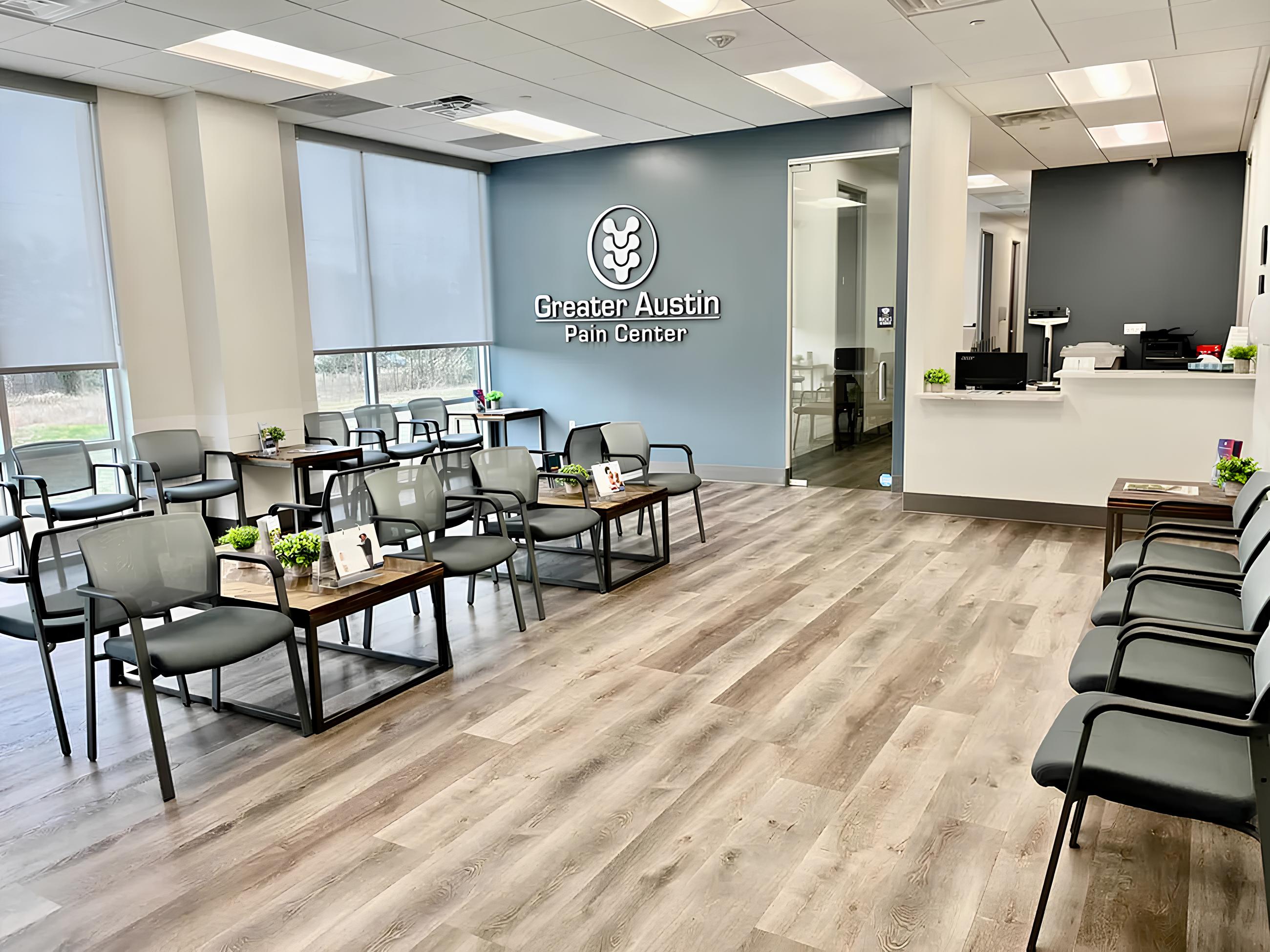
A modern medical office waiting room with gray chairs, small tables with plants and brochures, wood-style flooring, and a reception desk. The wall displays the sign "Greater Austin Pain Center."

Greater Austin Pain Center Is Hiring! Apply Online Today