Currently accepting new patients
Address

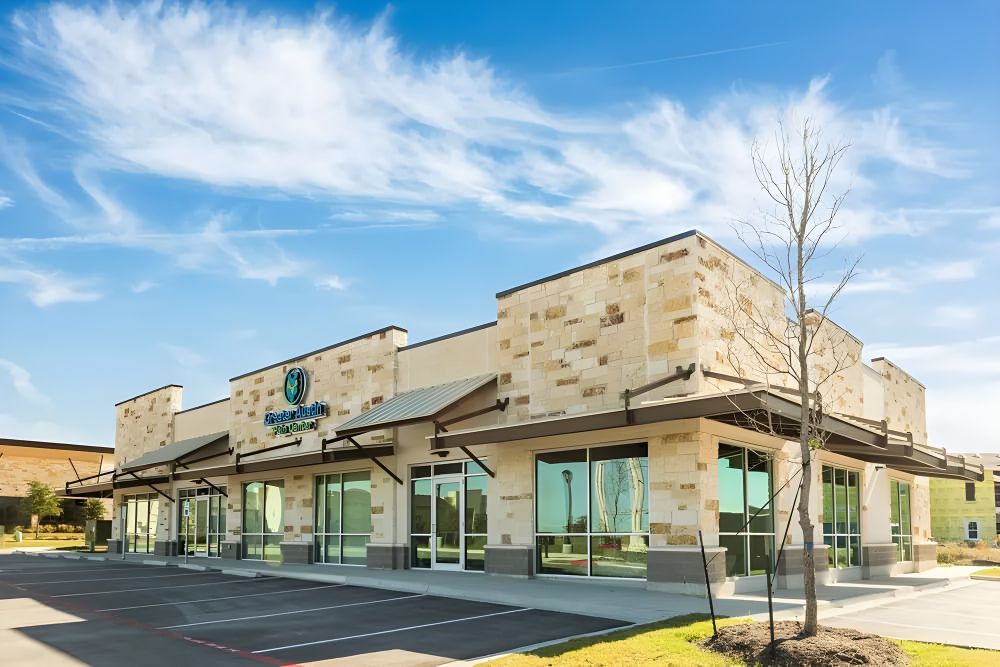
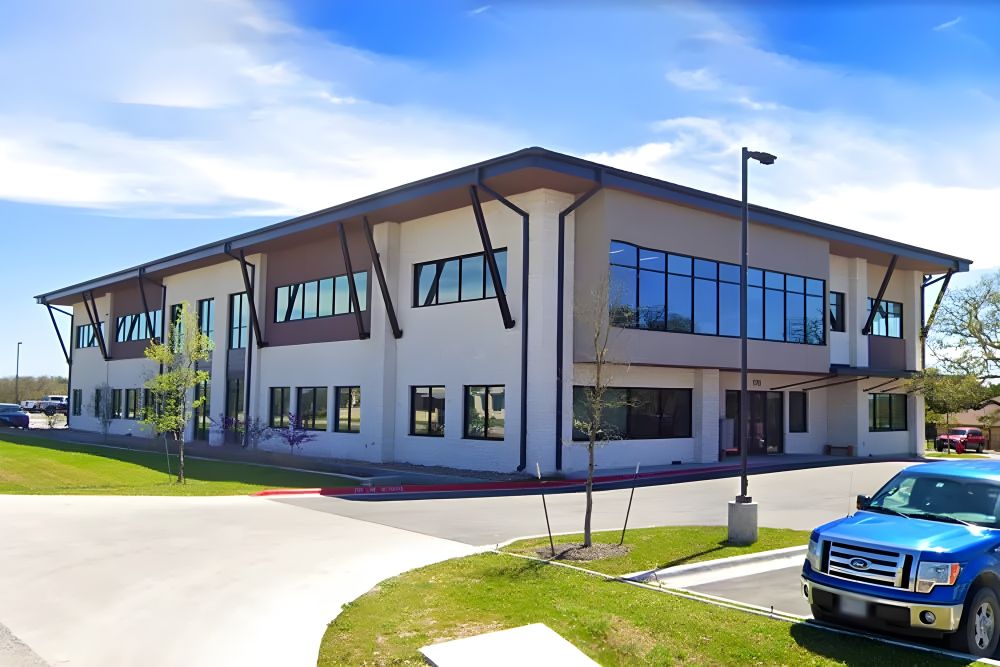
4210 Benner Rd
Kyle, TX 78640
Get Directions

Office hours

Mon - Friday: 8AM – 5PM
Weekends:
Closed

Phone

Phone: (512) 298-1645

Fax: (512) 298-1795

Accepted insurance

- Aetna
- Blue Cross/Blue Shield (BCBS)
- Champ VA
- Cigna
- CMS
- Connected Senior Care Alliance
- Friday
- GEHA
- Humana
- Medicare
- Multiplan
- Oscar
- Railroad Medicare
- Smarthealth
- Tricare
- Triwest
- United Healthcare
- WellMed
- Worker's Compensation
- Private Pay

What Is Back Pain?

Back pain is discomfort, stiffness, or achiness that originates anywhere along the spine or the surrounding muscles, ligaments, and nerves. It is among the most prevalent pain conditions adults experience, affecting the lumbar (lower), thoracic (mid), or cervical (upper) regions of the spine. While some episodes are acute and resolve within a few weeks, others become chronic, persisting for months or longer and significantly affecting daily life. Patients dealing with chronic back conditions often find that the pain limits their mobility, disrupts sleep, and reduces their overall quality of life.

The lumbar spine, located in the lower back, is particularly vulnerable. It connects the upper and lower body, bears much of the body's weight, and is supported by strong muscles and ligaments that attach to the spinal column. Six intervertebral discs sit between the vertebrae in this region, each with a tough outer layer (annulus fibrosus) and a gel-like inner core (nucleus pulposus). These discs, along with the small spinal facet joints, allow movement, provide stability, and absorb impact. When any of these structures are injured or degenerate over time, back pain can develop. A thorough medical examination is necessary to identify the root cause of a patient's pain and determine the most appropriate course of treatment.

Woman at elevators in front of San Antonio Eye Specialists sign.

How Chronic Pain Affects Daily Life and the Body

Back pain rarely stays confined to one area. When pain becomes chronic, it can ripple through multiple systems and regions of the body. Nerve pain that originates in the lumbar spine may radiate down through the buttocks, legs, and feet, a pattern commonly associated with sciatica, while compensatory muscle tension can travel upward into the shoulders, contributing to neck pain, stiffness, and even tension headaches. Patients suffering from ongoing back problems may notice that joint pain in the hips or knees develops over time due to altered gait and posture. Addressing these interconnected effects is an important focus of comprehensive spine care.

Common symptoms associated with back pain include:

  • Pain through the back, legs, buttocks, and feet
  • Weakness or numbness in the lower extremities
  • Cramping and muscle spasms
  • Neck pain and stiffness in the shoulders or upper body from muscular compensation
  • Radiating nerve pain consistent with sciatica that shoots down the legs or into the hips
  • Tension headaches arising from compensatory muscle strain in the upper back and neck
  • Loss of bladder or bowel control in severe cases (a sign of cauda equina syndrome requiring immediate medical attention)

Beyond physical symptoms, chronic pain conditions can disrupt sleep, reduce physical activity, and increase fatigue and stress. Prolonged inactivity related to pain can also affect digestion, cardiovascular health, and general mood. Patients dealing with chronic back pain over many years may find that untreated nerve involvement leads to reduced mobility, diminished strength, and a worsening cycle of discomfort that becomes increasingly difficult to manage effectively. That is why early evaluation and evidence-based pain care are so important for anyone suffering from persistent symptoms.

Keep in mind that after an acute injury, back pain may not appear for 24 to 48 hours and can intensify with movement. Symptoms that include significant weakness, numbness in the limbs, or loss of bladder or bowel control require prompt emergency evaluation rather than a scheduled appointment.

A physical therapist in blue scrubs examines a woman's lower back as she sits on an exam table in a clinic, lifting her shirt slightly to expose the area.

Treatment Options at Greater Austin Pain Center in Kyle, TX

Greater Austin Pain Center takes a multidisciplinary approach to back pain, meaning that care is coordinated across specialties and tailored to each patient's diagnosis, history, and goals. The physicians and staff at the Kyle clinic begin with a thorough consultation before recommending any interventions, and in most cases, treatment starts with the least invasive options appropriate for the patient's condition. Surgery is always considered a last resort, after non-surgical options have been fully explored. Patients dealing with chronic spine conditions can take hope in knowing that a variety of effective, minimally invasive procedures exist that do not involve surgery.

Interventional pain therapies and minimally invasive procedures available at Greater Austin Pain Center for back pain include:

When appropriate, the care team may also incorporate medication management as part of a broader treatment plan. The combination of interventional pain therapies and medication management, designed around each individual's condition, allows the care team to focus on both immediate comfort and longer-term function. For patients whose recovery would benefit from physical therapy, Greater Austin Pain Center can refer to trusted physical therapists in the area, coordinating services to help improve mobility and support long-term outcomes. Chiropractic care is another option some patients find helpful alongside interventional treatment; while GAPC does not provide chiropractic care directly, the team can help coordinate referrals when appropriate.

The physicians and staff at Greater Austin Pain Center take pride in building care plans that address the root cause of each patient's pain, not just the symptoms. Thousands of patients across Central Texas have worked with GAPC specialists to regain function, improve mobility, and live more comfortably. The Kyle location serves patients from Kyle, Texas and nearby communities including South Austin, San Marcos, and Dripping Springs, and the team is committed to making it easy to get the assistance you need close to home.

Woman at elevators in front of San Antonio Eye Specialists sign.

Getting Care for Back Pain at Greater Austin Pain Center in Kyle

1

Step 1: Schedule an Appointment

The first step is reaching out to Greater Austin Pain Center's Kyle, TX clinic to book your initial visit. Greater Austin Pain Center is currently accepting new patients, and the scheduling process is designed to be straightforward and easy. You can contact the office by phone or email, and the friendly staff will help you find a time that works for you. Whether you are dealing with acute pain following an injury or a chronic condition that has been building over many years, the team is ready to see you and answer your questions.

2

Step 2: Evaluation and Diagnosis

Your first visit is devoted to a thorough consultation and evaluation. The pain management physician will review your medical history, including any family history of spinal conditions, conduct a physical examination, and discuss your symptoms in detail, including where the pain is located, how long it has persisted, and how it affects your daily function. Imaging studies such as X-rays or MRI, or electrodiagnostic testing, may be recommended to help diagnose the underlying cause of your pain and identify any nerve involvement, depending on your specific situation.

3

Step 3: Personalized Treatment Plan

Based on the evaluation findings, your care team will create a personalized treatment plan matched to your specific diagnosis, lifestyle, and goals. The physician will explain each recommended option clearly so you can understand what to expect and make informed decisions about your care. This plan may include a combination of minimally invasive procedures, medication management, and coordination with physical therapy or other services outside of GAPC, all focused on addressing the root cause of your condition rather than simply masking symptoms.

4

Step 4: Ongoing Care and Follow-Up

Effective pain management is rarely a single visit. Your care team at Greater Austin Pain Center will monitor your response to treatment, adjust the plan as needed, and provide follow-up visits to assess your progress over time. The goal is to help you regain mobility, improve your quality of life, and live more comfortably, with dedicated support at every stage of your journey toward better spine health.

Testimonials

5 gold stars

"Dr. Jarzembeck is AMAZING. I HIGHLY recommend her for anyone suffering in pain. She goes above and beyond to make sure her patients pain has been dealt with."

Genia G.
5 gold stars

"Everyone is so friendly and helpful, Dr. Bednar came to me and explained the procedure and answered my questions. Highly recommend!"

Maggie G.
5 gold stars

"Dr. Julia is the best! The staff is professional and friendly to all. Best of all, Dr. Julia is finding solutions for my chronic pain! Never thought that it would be possible. It's a journey for me, but it seems like there is a solution."

Nancy M.

Frequently Asked Questions

When should I see a pain management physician for back pain?

arrow icon

You should consider seeing a pain management physician if your back pain lasts more than a few weeks, if it radiates down your legs or into your hips, or if you experience numbness, tingling, or weakness in your limbs. Pain that limits your ability to perform daily activities or that is accompanied by any loss of bladder or bowel control warrants prompt evaluation. Early intervention can help prevent acute pain from progressing to a chronic condition, and a physician can explain all of your options during your first consultation.

What minimally invasive procedures are available for back pain at the Kyle clinic?

arrow icon

Greater Austin Pain Center offers a range of interventional pain therapies and minimally invasive procedures for back pain, including epidural steroid injections, radiofrequency ablation, nerve blocks, spinal cord stimulation, indirect spinal decompression, the MILD Procedure, basivertebral nerve ablation, kyphoplasty for compression fractures, and trigger point injections. The right option depends on the underlying cause of your condition, which is why a thorough evaluation and consultation come first. Your pain management specialist will explain which therapies are most appropriate for your specific situation.

Can chronic spine pain affect my shoulders, neck, and other areas of the body?

arrow icon

Yes. Chronic pain that originates in the spine can affect multiple areas of the body. Nerve pain may radiate into the legs, hips, and feet in patterns associated with sciatica, while muscular compensation for a painful lower back can create tension that travels upward into the shoulders and contributes to neck pain, stiffness, and headaches. Joint pain in the hips or knees can also develop over time if altered posture or gait goes unaddressed. This is one reason that a comprehensive evaluation of your full symptom picture matters when you visit the clinic.

Is spine surgery always required to treat back pain?

arrow icon

No. Surgery is considered a last resort at Greater Austin Pain Center and is only explored after appropriate non-surgical options have been tried. In most cases, a combination of minimally invasive procedures, medication management, and coordinated physical therapy can help patients find meaningful relief without surgery. The goal is to manage your condition effectively with the least invasive approach possible. If a surgical referral ever becomes appropriate, your physician will explain that clearly and help you understand the path forward.

Does Greater Austin Pain Center accept insurance at the Kyle location?

arrow icon

Greater Austin Pain Center works with a variety of insurance plans. Insurance coverage can vary depending on your specific plan and the types of therapies recommended for your condition, so it is best to contact the Kyle clinic directly to ask about your individual insurance situation. The staff can assist you in understanding your options and help ensure the process of receiving care is as straightforward as possible.

What can I do to help prevent back pain from developing or returning?

arrow icon

Maintaining regular physical activity, building strength in your core muscles, and using proper lifting technique are among the most consistently recommended strategies for managing spine health. Avoiding prolonged sitting without movement and being mindful of posture throughout the day can also reduce strain on the spine. If you have risk factors such as obesity, arthritis, or a family history of spinal conditions, working with a pain management specialist proactively can help you manage those risks and focus on maintaining your mobility and function over time. Your care team may also coordinate a referral to a physical therapist for a structured program to support your spine health.

Lunch & Learn With Our Doctors

Curious about interventional pain treatments in Austin, TX? Join our doctors for an in-person lunch and learn session to find out more about these treatments and ask any questions you may have. This event will be 12–1pm, sign up below to receive more details and RSVP.

Loading security check...

Thank you! Your submission has been received!
Oops! Something went wrong while submitting the form.

Find Relief from Back Pain at Our Kyle, TX Location

If back pain is affecting your daily life, the dedicated physicians and friendly staff at Greater Austin Pain Center's Kyle clinic are here to help you move forward. Contact us today by phone at (512) 298-1645, by email, or schedule online to book your consultation. With additional locations in Austin, San Marcos, and Dripping Springs, our pain specialists are committed to providing great care for patients across Central Texas.

Schedule an Appointment

Relieve Your Pain Today!
Disclaimer: Using this form does not establish a patient-physician relationship. This form is not to be used for emergencies or urgent requests. Please call 911 if you have a life-threatening emergency.
By submitting this form you agree to the collection of your personal data pursuant to our privacy policy.

Loading security check...

Green padlock icon
All Information Is Secure and Confidential
Thank you! Your submission has been received!
Oops! Something went wrong while submitting the form.
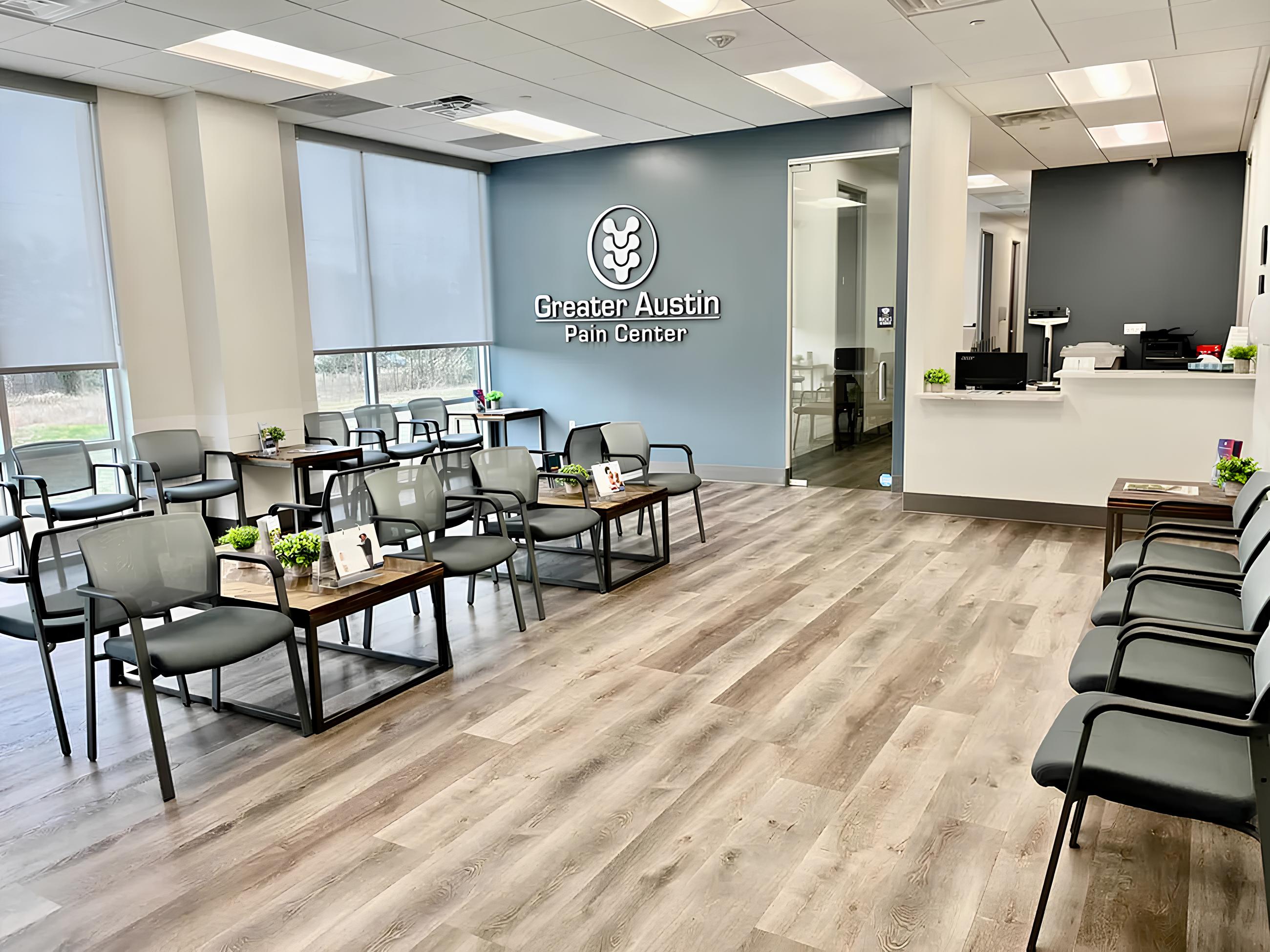
A modern medical office waiting room with gray chairs, small tables with plants and brochures, wood-style flooring, and a reception desk. The wall displays the sign "Greater Austin Pain Center."

Greater Austin Pain Center Is Hiring! Apply Online Today