Currently accepting new patients
Address

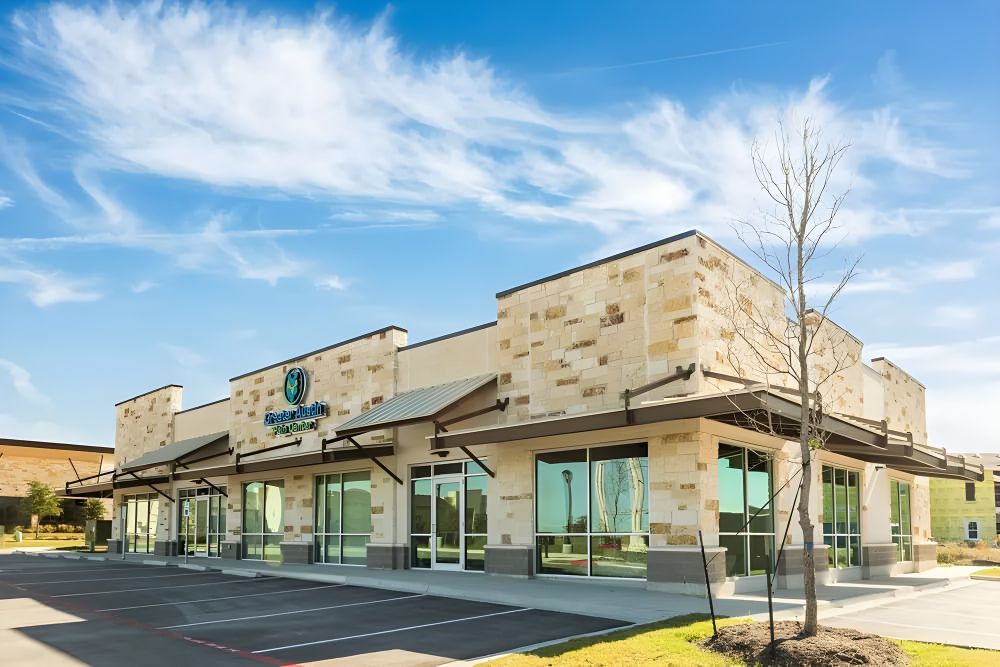
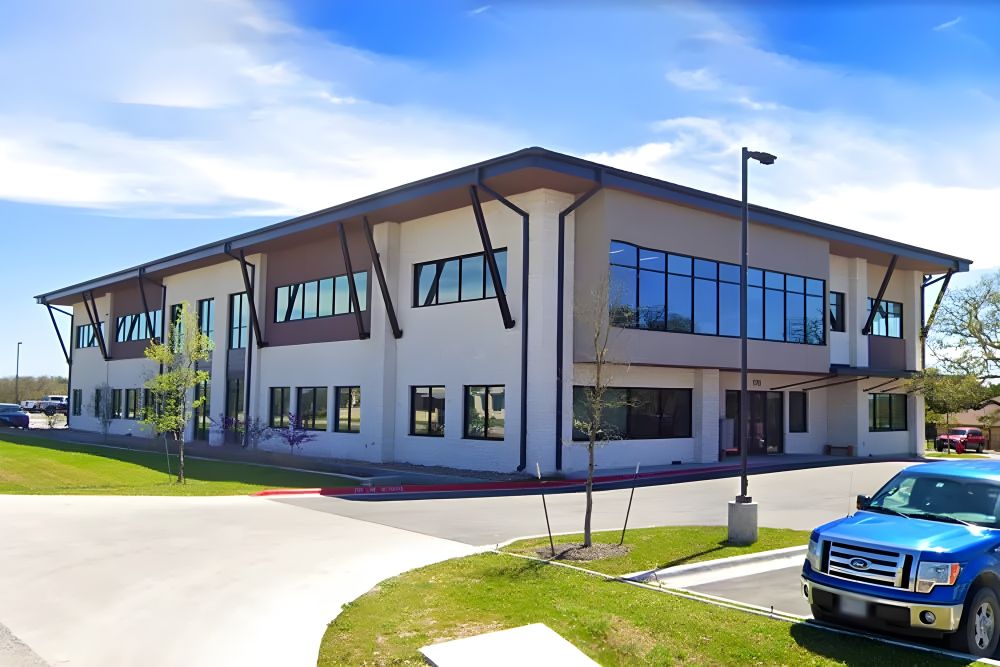
170 Benney Ln Suite 203
Dripping Springs, TX 78620
Get Directions

Office hours

Mon: 8AM – 5PM
Tues: 8AM – 5PM
Wed: Closed
Thur: Closed
Fri: Closed
Weekends: Closed

Phone

Phone: (512) 298-1645

Fax: (512) 298-1795

Accepted insurance

- Aetna
- Blue Cross/Blue Shield (BCBS)
- Champ VA
- Cigna
- CMS
- Connected Senior Care Alliance
- Friday
- GEHA
- Humana
- Medicare
- Multiplan
- Oscar
- Railroad Medicare
- Smarthealth
- Tricare
- Triwest
- United Healthcare
- WellMed
- Worker's Compensation
- Private Pay

What Is Radiofrequency Ablation (RFA)?

Radiofrequency ablation, also known as rhizotomy, is a minimally invasive procedure that uses radiofrequency energy to interrupt the pain signals traveling along specific nerves. During the procedure, thermal energy from radio waves is delivered to the targeted nerve tissue, disrupting its ability to transmit pain signals to the brain.

RFA is often considered when chronic back, neck, or joint pain has not responded adequately to conservative approaches. Two variations of the procedure are commonly performed. Continuous radiofrequency ablation gradually raises the temperature of the electrode and maintains that heat for 90 to 120 seconds to disrupt the nerve. Pulsed radiofrequency ablation uses short bursts of high-voltage current, each lasting less than half a second, until the nerve tissue is adequately affected, which can take anywhere from two to eight minutes. The specific approach used depends on the location and nature of the pain being treated.

Woman at elevators in front of San Antonio Eye Specialists sign.

What Does Radiofrequency Ablation Treat?

RFA has been used successfully to manage a range of chronic pain conditions, particularly those originating from nerves and joints in the spine. It is frequently applied to lower Back Pain and Neck Pain that has not responded to medications or other conservative treatments, including pain arising from the facet joints of the spine. Facet Joint Syndrome is among the conditions RFA is most commonly used to address.

Beyond the spine, RFA may also help manage pain related to degenerative joint diseases such as Arthritis, and it may help relieve stiffness and discomfort associated with Knee Pain caused by osteoarthritis. If ongoing pain in the back, neck, knees, or other joints is limiting your ability to work, sleep, or move through daily life, RFA may be worth discussing with a pain specialist.

A physical therapist in blue scrubs examines a woman's lower back as she sits on an exam table in a clinic, lifting her shirt slightly to expose the area.

What to Expect from Radiofrequency Ablation

If you are determined to be a good candidate for RFA, your care team will walk you through any preparation steps before the procedure. These may include fasting beforehand or adjusting insulin dosage if you have diabetes. You will also need to arrange for someone to drive you home after the procedure.

During the procedure, a local anesthetic is administered to numb the treatment area and keep you comfortable. The physician uses a live X-ray to guide a thin needle to the precise location where the pain is originating. A microelectrode is then passed through the needle and radiofrequency energy is applied to disrupt the targeted nerve. You may notice a mild sensation during treatment. This process is repeated as needed until the relevant nerves have been addressed.

The entire procedure typically takes approximately 30 minutes, though the duration can vary depending on how many nerves need to be treated and which type of RFA is performed. While the duration of pain relief can vary from patient to patient, many patients experience relief for 6 to 12 months after treatment, and in some cases relief may last longer. After the procedure, patients are able to walk on their own, but driving and strenuous activity should be avoided for at least 24 hours. Most patients are able to return to their normal routines after that period.

Woman at elevators in front of San Antonio Eye Specialists sign.

The Radiofrequency Ablation Process at Greater Austin Pain Center

1

Schedule Your Appointment

Contact Greater Austin Pain Center to request an appointment at the Dripping Springs office or at any of our other Central Texas locations. Our team is currently accepting new patients and can help you get started with the scheduling process.

2

Initial Evaluation

At your first appointment, a pain specialist will take time to understand your pain history, any prior treatments you have tried, and how your symptoms are affecting daily life. This evaluation may include a physical exam, imaging, and diagnostic injections to help identify the source of your pain and confirm whether RFA is a suitable option.

3

Your RFA Procedure

On the day of your procedure, a local anesthetic will be applied to the treatment area. Using live X-ray guidance, the physician will position a thin needle near the nerves responsible for your pain, deliver radiofrequency energy through a microelectrode, and repeat the process for each targeted nerve. The goal is to disrupt the nerve's ability to transmit pain signals and support more comfortable movement.

4

Recovery and Next Steps

You will be able to walk independently after the procedure, but you should plan to have someone drive you home. For the first 24 hours, avoid driving, operating machinery, and vigorous physical activity. After that initial period, most patients can return to their regular routine. Your care team will follow up with you to monitor your response and discuss any additional steps if needed.

Testimonials

5 gold stars

"Dr. Jarzembeck is AMAZING. I HIGHLY recommend her for anyone suffering in pain. She goes above and beyond to make sure her patients pain has been dealt with."

Genia G.
5 gold stars

"Everyone is so friendly and helpful, Dr. Bednar came to me and explained the procedure and answered my questions. Highly recommend!"

Maggie G.
5 gold stars

"Dr. Julia is the best! The staff is professional and friendly to all. Best of all, Dr. Julia is finding solutions for my chronic pain! Never thought that it would be possible. It's a journey for me, but it seems like there is a solution."

Nancy M.

Frequently Asked Questions

Is radiofrequency ablation a safe procedure?

arrow icon

Yes, radiofrequency nerve ablation is considered a safe, low-risk procedure. Serious complications such as infection or bleeding near the treatment site are rare.

What conditions is RFA most commonly used to treat?

arrow icon

RFA is most commonly used to manage chronic lower back and neck pain, particularly pain originating from the facet joints of the spine. It is also used to help manage pain related to degenerative joint diseases such as arthritis and may help relieve knee pain caused by osteoarthritis.

How long does pain relief from RFA typically last?

arrow icon

The duration of pain relief varies from patient to patient. Many patients experience relief for 6 to 12 months after treatment, and in some cases relief can last longer. Your pain specialist can help set realistic expectations based on your individual situation.

What are the common side effects after radiofrequency ablation?

arrow icon

The most typical side effects are mild soreness or minor bruising at the needle entry sites. These generally resolve within a few days to a few weeks after the procedure.

How long does the RFA procedure itself take?

arrow icon

Most patients can expect the procedure to take approximately 30 minutes. The actual duration depends on how many nerves need to be treated and which type of radiofrequency ablation is being performed.

What should I avoid after my radiofrequency ablation procedure?

arrow icon

For at least 24 hours following the procedure, patients should avoid driving, operating machinery, and rigorous physical activity. You will also need to arrange for someone to drive you home on the day of the procedure. After the 24-hour period has passed, most patients can return to their normal daily activities.

Lunch & Learn With Our Doctors

Curious about interventional pain treatments in Austin, TX? Join our doctors for an in-person lunch and learn session to find out more about these treatments and ask any questions you may have. This event will be 12–1pm, sign up below to receive more details and RSVP.

Loading security check...

Thank you! Your submission has been received!
Oops! Something went wrong while submitting the form.

Find Radiofrequency Ablation Care Close to Dripping Springs

If chronic back, neck, or joint pain has not responded to conservative treatment, Greater Austin Pain Center's Dripping Springs clinic is here to help. Contact us to schedule a consultation and find out whether radiofrequency ablation may be right for you. Our pain specialists also serve patients from throughout Central Texas, with additional locations in Austin, Kyle, and San Marcos.

Schedule an Appointment

Relieve Your Pain Today!
Disclaimer: Using this form does not establish a patient-physician relationship. This form is not to be used for emergencies or urgent requests. Please call 911 if you have a life-threatening emergency.
By submitting this form you agree to the collection of your personal data pursuant to our privacy policy.

Loading security check...

Green padlock icon
All Information Is Secure and Confidential
Thank you! Your submission has been received!
Oops! Something went wrong while submitting the form.
A modern medical office waiting room with gray chairs, small tables with plants and brochures, wood-style flooring, and a reception desk. The wall displays the sign "Greater Austin Pain Center."

Greater Austin Pain Center Is Hiring! Apply Online Today