Currently accepting new patients
Address

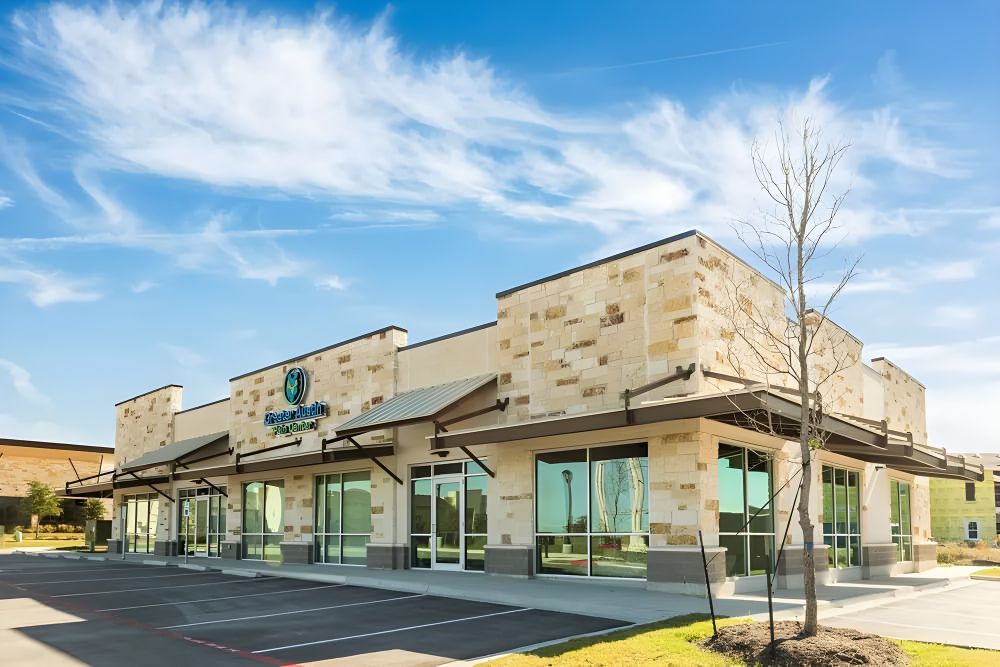
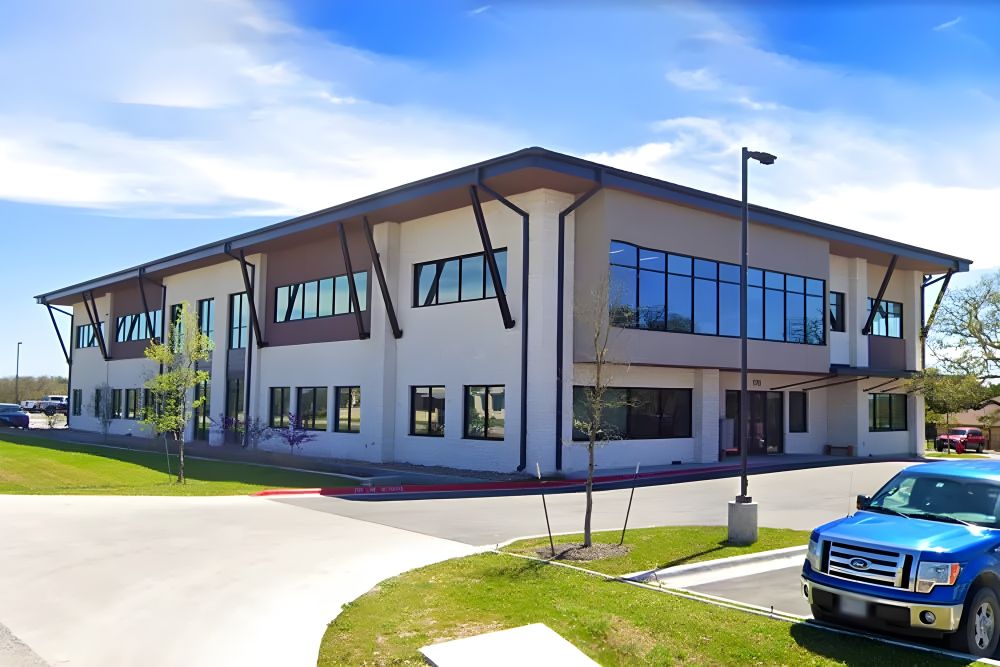
170 Benney Ln Suite 203
Dripping Springs, TX 78620
Get Directions

Office hours

Mon: 8AM – 5PM
Tues: 8AM – 5PM
Wed: Closed
Thur: Closed
Fri: Closed
Weekends: Closed

Phone

Phone: (512) 298-1645

Fax: (512) 298-1795

Accepted insurance

- Aetna
- Blue Cross/Blue Shield (BCBS)
- Champ VA
- Cigna
- CMS
- Connected Senior Care Alliance
- Friday
- GEHA
- Humana
- Medicare
- Multiplan
- Oscar
- Railroad Medicare
- Smarthealth
- Tricare
- Triwest
- United Healthcare
- WellMed
- Worker's Compensation
- Private Pay

What Is Nerve Pain (Peripheral Neuropathy)?

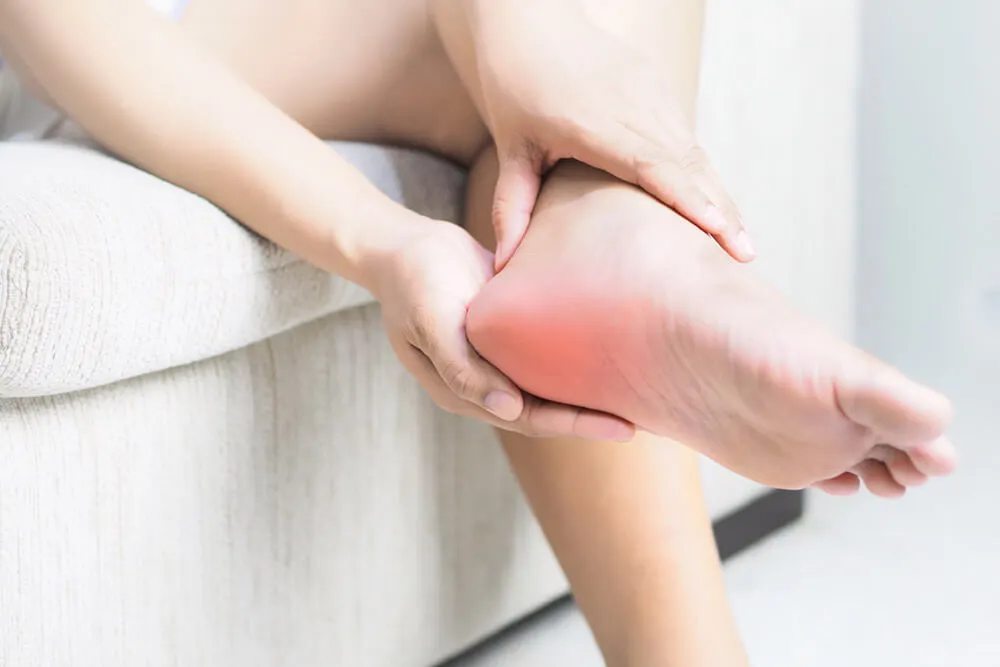
Peripheral neuropathy is a symptom rather than a disease in itself. It occurs when peripheral nerves are damaged, disrupting the signals your nervous system uses to regulate movement, sensation, and automatic body functions. The condition commonly develops in the longest nerves first, which is why many patients dealing with neuropathy notice symptoms in the toes and feet before anywhere else.

Your brain and the rest of your nervous system are in constant communication. Motor nerves carry signals that control muscle movement, while sensory nerves relay information about heat, cold, and pain. Your autonomic nervous system handles functions you don't consciously control, such as blood pressure, heart rate, digestion, and body temperature. When any of these nerve pathways are affected, the resulting symptoms reflect which functions those nerves serve.

At Greater Austin Pain Center, the focus is on identifying and addressing the underlying cause of peripheral neuropathy whenever possible, because treating the root cause can lead to meaningful improvement in symptoms. Your care team may also coordinate physical therapy, medication management, and lifestyle changes as part of a comprehensive care approach.

Woman at elevators in front of San Antonio Eye Specialists sign.

How Nerve Damage Affects the Body

Because nerves serve so many different roles, nerve damage can produce a wide range of symptoms depending on which nerve groups are involved. Sensory nerve involvement typically produces sharp, burning pain, tingling or numbness, and extreme sensitivity to touch in the affected area. Radiating pain that travels along a nerve's path is also common and can be particularly disruptive to daily life.

Motor nerve involvement may cause muscle weakness, loss of coordination, or in severe cases, paralysis of affected muscle groups. When the autonomic nervous system is affected, patients may experience bowel or bladder problems, changes in blood pressure, or difficulty regulating body temperature.

Peripheral neuropathy symptoms vary considerably from person to person. Common symptoms seen in affected nerve groups include:

  • Sharp or burning pain
  • Tingling or numbness in the hands, feet, or legs
  • Extreme sensitivity to touch
  • Radiating pain along a nerve pathway
  • Loss of coordination or balance
  • Muscle weakness

For patients in Dripping Springs, TX, recognizing these symptoms early and connecting with pain management specialists is an important step toward getting appropriate care.

A physical therapist in blue scrubs examines a woman's lower back as she sits on an exam table in a clinic, lifting her shirt slightly to expose the area.

Minimally Invasive Pain Care at Greater Austin Pain Center

There is no single solution for nerve pain. Treatment at Greater Austin Pain Center is built around a personalized treatment plan that accounts for each patient's diagnosis, the severity of their symptoms, and the nerve groups involved. For some patients, addressing the underlying cause leads to meaningful symptom improvement on its own. For others, a combination of interventional options, medication, and supportive care is needed to achieve lasting relief.

Interventional pain treatments offered at Greater Austin Pain Center that may be appropriate for patients dealing with nerve pain include:

  • Nerve Blocks, which use targeted injections to interrupt pain signals along specific nerve pathways and can help reduce inflammation in affected areas
  • Epidural Injections, including epidural steroid injections that can reduce inflammation around irritated nerve roots to relieve radiating pain associated with sciatica, spinal stenosis, or herniated discs
  • Spinal Cord Stimulators, a minimally invasive option for chronic pain that modulates pain signals before they reach the brain
  • Peripheral Nerve Stimulation, which uses small electrodes to deliver low-level electrical signals to targeted peripheral nerves to help manage nerve-related pain
  • Radiofrequency Ablation, a minimally invasive procedure that uses heat to disrupt pain signals transmitted by specific nerves
  • Regenerative Medicine, including treatments designed to support tissue healing in damaged areas surrounding affected nerves
  • Sympathetic Ganglion Blocks, which target the autonomic nervous system and may help relieve certain types of chronic nerve pain

Where appropriate, your care team may also recommend physical therapy or lifestyle changes as part of your overall plan. Physical therapy is not a service GAPC provides directly, but your care team can coordinate referrals for ongoing rehabilitative support. Medication management, including pain medication and other pharmacological options, may be incorporated alongside minimally invasive therapies designed to treat chronic nerve pain at its source.

Greater Austin Pain Center's Dripping Springs, TX clinic is equipped to evaluate and treat a broad range of pain conditions, from sciatica and neuropathy to back pain and neck pain related to nerve compression. The goal is personalized care that helps patients reclaim function and quality of life.

Woman at elevators in front of San Antonio Eye Specialists sign.

Getting Started with Nerve Pain Treatment in Dripping Springs, TX

1

Schedule an Appointment

Reaching out to Greater Austin Pain Center is the first step toward understanding and addressing your nerve pain. Patients in Dripping Springs, TX can schedule an appointment at the local clinic, which is conveniently located for Hill Country residents. New patients are currently being accepted, and the team is ready to help you get started.

2

Evaluation and Diagnosis

Your first visit will include a thorough review of your medical history, a neurological exam, and any necessary diagnostic testing such as blood tests to help identify the underlying cause of your symptoms. The diagnosis process is designed to clarify which nerve groups are involved and what is driving your pain, so that treatment can be targeted appropriately.

3

Personalized Treatment Plan

Once your evaluation is complete, your pain management specialists will develop a personalized treatment plan tailored to your specific diagnosis, symptom severity, and goals. This plan may combine interventional pain treatments such as nerve blocks, epidural injections, or spinal cord stimulation with lifestyle changes and, where appropriate, coordinated physical therapy. You will have the opportunity to ask questions and feel comfortable with the direction of your care before moving forward.

4

Ongoing Care and Follow-Up

Nerve pain management is often an ongoing process rather than a single intervention. Your care team will monitor your progress, adjust your treatment plan as needed, and continue to focus on reducing pain and improving your function over time. Patients dealing with chronic pain conditions benefit from this continuity of care, which helps ensure that the approach remains aligned with how your symptoms evolve.

Testimonials

5 gold stars

"Dr. Jarzembeck is AMAZING. I HIGHLY recommend her for anyone suffering in pain. She goes above and beyond to make sure her patients pain has been dealt with."

Genia G.
5 gold stars

"Everyone is so friendly and helpful, Dr. Bednar came to me and explained the procedure and answered my questions. Highly recommend!"

Maggie G.
5 gold stars

"Dr. Julia is the best! The staff is professional and friendly to all. Best of all, Dr. Julia is finding solutions for my chronic pain! Never thought that it would be possible. It's a journey for me, but it seems like there is a solution."

Nancy M.

Frequently Asked Questions

What conditions commonly cause nerve pain?

arrow icon

Nerve pain most often results from diabetes, trauma or pressure on nerves, herniated discs, spinal stenosis, viral or bacterial infections, autoimmune conditions such as rheumatoid arthritis, kidney or liver disease, vitamin B deficiency, alcohol abuse, chemotherapy, or exposure to toxins. The sciatic nerve is a frequent source of nerve-related pain, and degenerative disc disease can also compress nerve roots and produce similar symptoms. Identifying the underlying condition is an important part of building an effective treatment plan.

What symptoms suggest I should see a pain management specialist?

arrow icon

You may benefit from seeing a pain management specialist if you are experiencing persistent sharp or burning pain, tingling or numbness in your hands or feet, radiating pain that travels down your legs or arms, extreme sensitivity to touch, unexplained muscle weakness, or loss of coordination. If these symptoms are interfering with your daily life or have not responded to initial care from your primary provider, a specialist evaluation can help clarify the cause and identify appropriate treatment options.

How is peripheral neuropathy diagnosed?

arrow icon

Diagnosis typically involves a review of your medical history, a neurological examination, and blood tests to check for common underlying causes such as diabetes, vitamin deficiencies, or thyroid disease. Your care team may also evaluate whether structural issues such as herniated discs or spinal stenosis are compressing nerve roots and contributing to your symptoms. The goal of the diagnostic process is to understand which nerve groups are affected and what is driving the problem.

What interventional treatments are available for nerve pain at Greater Austin Pain Center?

arrow icon

Greater Austin Pain Center offers a range of minimally invasive interventional pain treatments for nerve pain, including nerve blocks, epidural steroid injections, spinal cord stimulation, peripheral nerve stimulation, radiofrequency ablation, sympathetic ganglion blocks, and regenerative medicine options. The treatments recommended will depend on your specific diagnosis, the nerve groups involved, and the severity of your symptoms. Your care team will build a personalized treatment plan based on your evaluation.

Can lifestyle changes help manage nerve-related pain?

arrow icon

Lifestyle changes can play a meaningful role in managing nerve pain, particularly when an underlying condition such as diabetes or alcohol use is a contributing factor. Regular exercise, a healthy diet, abstaining from nicotine and alcohol, and monitoring for changes in affected areas such as the feet can all support better outcomes. These measures are often recommended alongside interventional options and, where appropriate, coordinated physical therapy as part of a comprehensive care plan.

How do I get started with nerve pain care near Dripping Springs, TX?

arrow icon

Greater Austin Pain Center has a clinic in Dripping Springs, TX that is currently accepting new patients. You can schedule an appointment online or by calling our office. At your first visit, your care team will review your history, conduct an evaluation, and begin building a personalized plan to address your nerve pain. There is no need to travel far into Austin for specialized pain management care.

Lunch & Learn With Our Doctors

Curious about interventional pain treatments in Austin, TX? Join our doctors for an in-person lunch and learn session to find out more about these treatments and ask any questions you may have. This event will be 12–1pm, sign up below to receive more details and RSVP.

Loading security check...

Thank you! Your submission has been received!
Oops! Something went wrong while submitting the form.

Find Nerve Pain Relief at Greater Austin Pain Center — Serving Dripping Springs and the Austin Area

If nerve pain is affecting your daily life, the team at Greater Austin Pain Center is ready to help. Our pain specialists take a personalized, minimally invasive approach to pain care, and we are currently accepting new patients at our Dripping Springs, TX location. With additional offices in Austin, Kyle, and San Marcos, Greater Austin Pain Center serves patients across Central Texas. Call us today at (512) 298-1645 or schedule an appointment online to take the first step toward relief.

Schedule an Appointment

Relieve Your Pain Today!
Disclaimer: Using this form does not establish a patient-physician relationship. This form is not to be used for emergencies or urgent requests. Please call 911 if you have a life-threatening emergency.
By submitting this form you agree to the collection of your personal data pursuant to our privacy policy.

Loading security check...

Green padlock icon
All Information Is Secure and Confidential
Thank you! Your submission has been received!
Oops! Something went wrong while submitting the form.
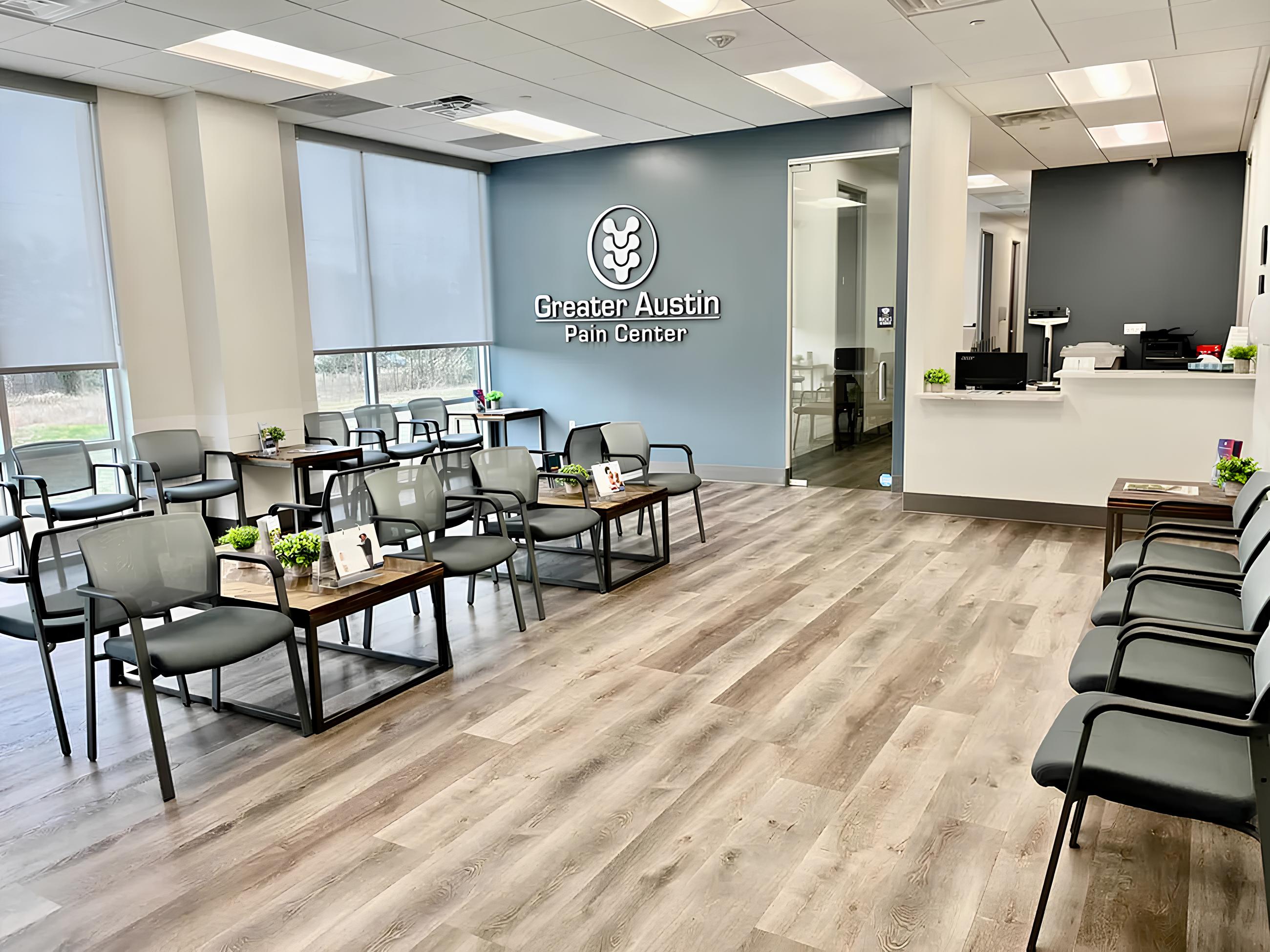
A modern medical office waiting room with gray chairs, small tables with plants and brochures, wood-style flooring, and a reception desk. The wall displays the sign "Greater Austin Pain Center."

Greater Austin Pain Center Is Hiring! Apply Online Today