Currently accepting new patients
Address

170 Benney Ln Suite 203
Dripping Springs, TX 78620
Get Directions

Office hours

Mon: 8AM – 5PM
Tues: 8AM – 5PM
Wed: Closed
Thur: Closed
Fri: Closed
Weekends: Closed

Phone

Phone: (512) 298-1645

Fax: (512) 298-1795

Accepted insurance

- Aetna
- Blue Cross/Blue Shield (BCBS)
- Champ VA
- Cigna
- CMS
- Connected Senior Care Alliance
- Friday
- GEHA
- Humana
- Medicare
- Multiplan
- Oscar
- Railroad Medicare
- Smarthealth
- Tricare
- Triwest
- United Healthcare
- WellMed
- Worker's Compensation
- Private Pay

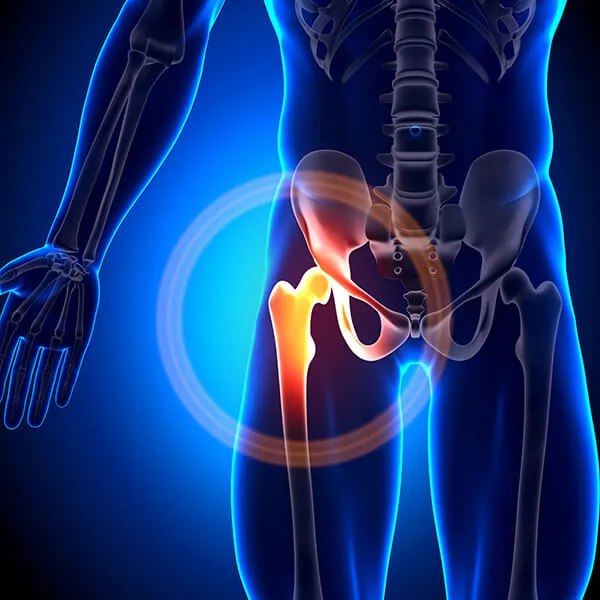
What Is Hip Pain?

The hip joint is one of the largest joints in the body. It connects the lower extremities to the pelvis and is built to handle the demands of weight-bearing and a wide range of motion. Hip pain is a broad term for any pain felt in or around the hip joint, and it does not always stay localized. Discomfort may radiate into the groin, thigh, or leg, and in some cases it can be felt as far down as the knee.

Because the hip plays such a central role in movement, pain in this area often has a noticeable effect on day-to-day function. At Greater Austin Pain Center, our goal is to identify the underlying cause of a patient's hip pain and develop a personalized treatment plan aimed at reducing that discomfort and helping patients regain the function they depend on.

Woman at elevators in front of San Antonio Eye Specialists sign.

How Hip Pain Affects Your Body and Daily Life

The hip joint is designed for both strength and flexibility. It supports hip flexion, extension, abduction, adduction, and rotation, meaning it is engaged in nearly every lower-body movement. When pain disrupts normal hip mechanics, the effects tend to ripple outward. Patients often find that walking becomes uncomfortable, sleeping on the affected side is difficult, and activities they once performed without thinking now require deliberate effort.

Over time, compensating for hip pain by shifting weight or altering gait can place added strain on the knees, lower back, and surrounding muscles. The intensity and character of hip pain can vary widely. Some people experience a dull ache or warmth around the joint, while others describe a burning or sharp sensation that changes in frequency depending on activity level. Common symptoms associated with hip pain include:

  • Discomfort in the groin, thigh, buttocks, or along the inside or outside of the hip joint
  • Tenderness, aching, or sensitivity directly in or around the hip joint
  • Burning or warm sensations near the hip, especially with activity
  • Difficulty moving the hip or legs through their full range of motion
  • Trouble sleeping on the affected hip
  • Snapping or clicking sensations in the hip, sometimes called crepitus
A physical therapist in blue scrubs examines a woman's lower back as she sits on an exam table in a clinic, lifting her shirt slightly to expose the area.

Treatment Options for Hip Pain at GAPC

Treatment for hip pain depends on its underlying cause and how significantly it is affecting a patient's daily life. For mild injuries to muscles, tendons, or the bursal sacs around the hip, rest and conservative self-care measures are often helpful as a starting point. When hip pain is related to arthritis, fractures, or other structural conditions, more targeted interventions may be appropriate. Our team focuses on non-surgical approaches first, addressing the source of pain with interventional options designed to reduce discomfort and support function.

At Greater Austin Pain Center's Dripping Springs clinic, our pain specialists may recommend one or more of the following approaches depending on your evaluation. The right combination of treatments is determined after a thorough review of your condition, lifestyle, and goals:

When physical therapy or other conservative care is an appropriate part of a patient's recovery, your care team can coordinate referrals to complement the interventional treatments offered in-house. Our Austin-area specialists are committed to providing care that is explained clearly and tailored to what each patient needs.

Woman at elevators in front of San Antonio Eye Specialists sign.

Getting Hip Pain Care at Greater Austin Pain Center

1

Step 1: Schedule an Appointment

Getting started is simple. Reach out to our Dripping Springs office to set up an initial visit. Our friendly staff can walk you through what to expect before coming in, including insurance verification and any intake forms to complete in advance. GAPC is currently accepting new patients and our team is ready to connect you with the right specialist.

2

Step 3: Evaluation and Diagnosis

At your first visit, a pain specialist who listens will review your history and conduct a thorough evaluation focused on understanding the nature, location, and pattern of your hip pain. Diagnosing the cause accurately may involve a physical assessment and, where appropriate, X-ray or other imaging to help clarify what is contributing to your symptoms. Understanding the source of your pain is central to building a care plan that makes sense for your situation and the results you want to achieve.

3

Step 3: Personalized Treatment Plan

Because hip pain can stem from a range of causes, personalized treatment is essential rather than a one-size-fits-all approach. Your specialist will discuss the options that are most appropriate for your condition and overall health, which may include non-surgical interventional procedures available at our Dripping Springs location, referrals for complementary care, or a combination of both. The goal is a plan designed to address your specific condition, helping you return to the activities and lifestyle you love.

4

Step 4: Ongoing Care and Follow-Up

Managing hip pain is often an ongoing process, particularly for conditions like arthritis or when fractures affect long-term joint stability. Follow-up visits allow your specialist to check how you are responding, adjust the plan as needed, and work with you toward sustained improvement in function and comfort over time. At GAPC, ongoing care is built into the experience, not an afterthought, because the people in our community deserve support that continues beyond a single appointment.

Testimonials

5 gold stars

"Dr. Jarzembeck is AMAZING. I HIGHLY recommend her for anyone suffering in pain. She goes above and beyond to make sure her patients pain has been dealt with."

Genia G.
5 gold stars

"Everyone is so friendly and helpful, Dr. Bednar came to me and explained the procedure and answered my questions. Highly recommend!"

Maggie G.
5 gold stars

"Dr. Julia is the best! The staff is professional and friendly to all. Best of all, Dr. Julia is finding solutions for my chronic pain! Never thought that it would be possible. It's a journey for me, but it seems like there is a solution."

Nancy M.

Frequently Asked Questions

What causes hip pain?

arrow icon

Hip pain can result from a variety of underlying causes, including arthritis, bursitis, tendinitis, muscle or tendon strains, hip fractures, and structural abnormalities in the joint. In some cases, hip pain may also be related to referred pain from the lower back or other areas. Diagnosing the source accurately is an important step, and a thorough evaluation by a pain specialist can help identify what is driving a patient's specific symptoms.

How does hip pain affect everyday movement?

arrow icon

Because the hip joint is involved in nearly every lower-body movement, pain in this area can interfere with walking, sitting, standing, climbing stairs, and sleeping comfortably on the affected side. Some patients also develop a limp as they compensate for discomfort, which can place additional strain on the knees, lower back, and surrounding muscles over time. Addressing the underlying condition early can help reduce the risk of these secondary effects.

Is hip pain more common as you age?

arrow icon

Hip pain can occur at any age, but the risk does increase over the decades. Degenerative changes such as osteoarthritis become more common with time, and older adults are also at higher risk of hip fractures. Lifestyle factors such as muscle weakness from inactivity, excess body weight, and a history of prior injury can also raise the likelihood of developing hip pain regardless of age.

What treatment options are available for hip pain at GAPC?

arrow icon

At Greater Austin Pain Center, treatment options for hip pain may include X-ray guided joint injections, peripheral nerve stimulation, trigger point injections, and regenerative medicine approaches such as platelet rich plasma. The care team focuses on non-surgical approaches and will review your condition to determine which combination of treatments is most appropriate. A personalized treatment plan is developed following a thorough evaluation.

Is hip pain preventable?

arrow icon

In many cases, steps can be taken to reduce the risk of developing hip pain. Strengthening the muscles of the lower extremities and lower back through regular exercise, maintaining a healthy weight to reduce stress on the hip joint, and avoiding overuse injuries through balanced activity levels may all help lower the likelihood of hip pain over time. Your care team can offer information and guidance on lifestyle adjustments that may be helpful for your situation.

When should I see a specialist for hip pain?

arrow icon

It is a good idea to talk with a pain specialist if hip pain persists beyond a few weeks, if it significantly limits your ability to walk or perform daily activities, or if it is accompanied by swelling, instability, burning sensations, or worsening symptoms. You can call our office or use our online scheduling tool to find a time that works and learn what to expect from your first visit.

Lunch & Learn With Our Doctors

Curious about interventional pain treatments in Austin, TX? Join our doctors for an in-person lunch and learn session to find out more about these treatments and ask any questions you may have. This event will be 12–1pm, sign up below to receive more details and RSVP.

Loading security check...

Thank you! Your submission has been received!
Oops! Something went wrong while submitting the form.

Find Hip Pain Relief at Our Dripping Springs-Area Clinic

If hip pain is limiting your mobility or quality of life, the team at Greater Austin Pain Center is committed to helping you take action. Schedule an appointment at our Dripping Springs, TX clinic or at any of our other Central Texas locations, including Austin, Kyle, and San Marcos, by calling (512) 298-1645 or using our efficient online scheduling tool. Our friendly, courteous staff is ready to help you get the care you deserve.

Schedule an Appointment

Relieve Your Pain Today!
Disclaimer: Using this form does not establish a patient-physician relationship. This form is not to be used for emergencies or urgent requests. Please call 911 if you have a life-threatening emergency.
By submitting this form you agree to the collection of your personal data pursuant to our privacy policy.

Loading security check...

Green padlock icon
All Information Is Secure and Confidential
Thank you! Your submission has been received!
Oops! Something went wrong while submitting the form.
A modern medical office waiting room with gray chairs, small tables with plants and brochures, wood-style flooring, and a reception desk. The wall displays the sign "Greater Austin Pain Center."

Greater Austin Pain Center Is Hiring! Apply Online Today