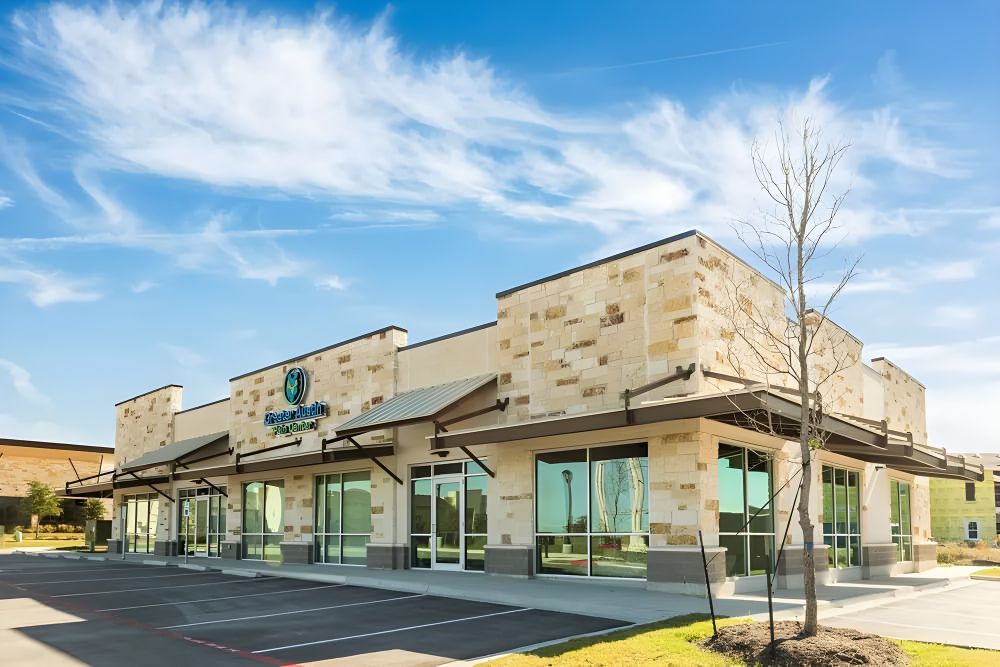
Currently accepting new patients
Address

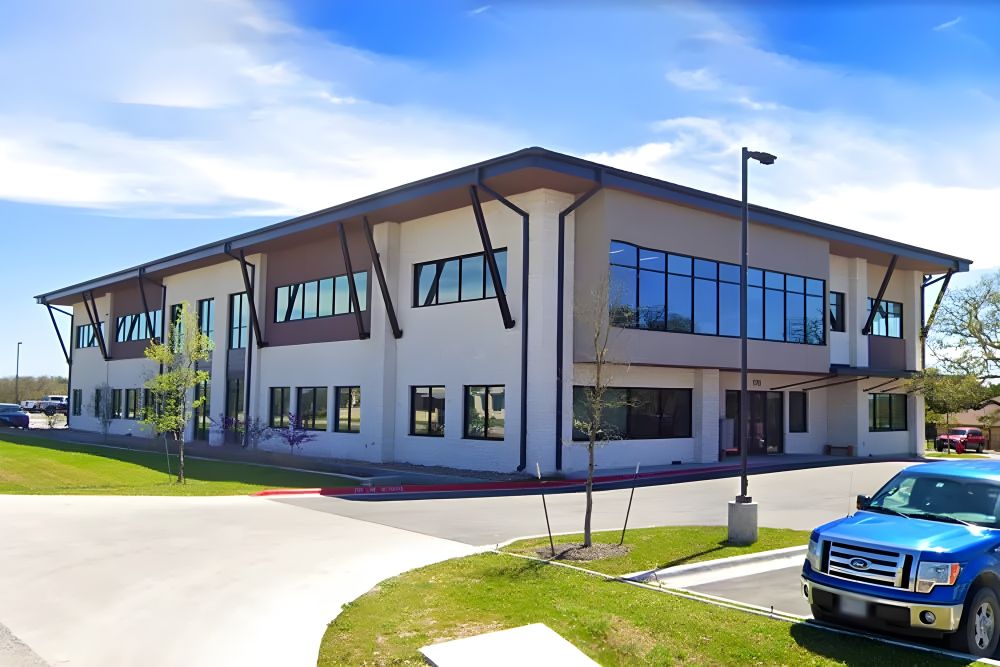
170 Benney Ln Suite 203
Dripping Springs, TX 78620
Get Directions

Office hours

Mon: 8AM – 5PM
Tues: 8AM – 5PM
Wed: Closed
Thur: Closed
Fri: Closed
Weekends: Closed

Phone

Phone: (512) 298-1645

Fax: (512) 298-1795

Accepted insurance

- Aetna
- Blue Cross/Blue Shield (BCBS)
- Champ VA
- Cigna
- CMS
- Connected Senior Care Alliance
- Friday
- GEHA
- Humana
- Medicare
- Multiplan
- Oscar
- Railroad Medicare
- Smarthealth
- Tricare
- Triwest
- United Healthcare
- WellMed
- Worker's Compensation
- Private Pay

What Is Failed Back Surgery Syndrome (Post-Laminectomy Syndrome)?

Failed Back Surgery Syndrome, or FBSS, is defined as persistent lumbar spinal pain of unknown origin that either continues despite surgical intervention or develops in the same area after surgery. The pain may have been present before the procedure and inadequately relieved by it, or it may be entirely new pain that appears following the operation. FBSS is also referred to as Post-Laminectomy Syndrome, a term that reflects the frequency with which laminectomy procedures are associated with this outcome.

FBSS is not a single, clearly defined injury. It is a clinical label applied when a patient continues to experience significant chronic pain in the lumbar region after surgery that was intended to address that very pain. Because of how broadly the condition is defined, diagnosis requires careful evaluation of a patient's surgical history, imaging findings, and current symptoms. Patients in Dripping Springs, Texas and the greater Central Texas area can seek this evaluation at GAPC's local clinic.

Woman at elevators in front of San Antonio Eye Specialists sign.

How Failed Back Surgery Syndrome Affects Daily Life and the Body

FBSS affects the body in ways that closely resemble the chronic pain that first led a patient to consider surgery. The pain can range from a persistent dull ache in the lower back to sharp, radiating discomfort that travels down one or both legs. This radiating pattern can make standing, walking, and sitting for extended periods difficult, limiting a person's ability to work, engage in community activities, or simply move through their day comfortably.

Common symptoms associated with FBSS include:

  • Persistent low back pain that continues despite surgery
  • New pain that develops in the lumbar region or legs after a back procedure
  • Radiating pain or numbness extending into the hip, leg, or foot in some cases
  • Disrupted sleep due to ongoing discomfort
  • Reduced mobility and difficulty with routine daily tasks
  • Changes in mood and overall sense of wellbeing resulting from chronic pain

Because the symptoms of FBSS overlap significantly with the original condition, a thorough evaluation is essential to understand what is driving the ongoing pain and to build an appropriate care plan. Residents of Dripping Springs and nearby communities in the Austin, TX metropolitan area do not have to travel far to access this level of specialized care.

A physical therapist in blue scrubs examines a woman's lower back as she sits on an exam table in a clinic, lifting her shirt slightly to expose the area.

Treatment Options for Failed Back Surgery Syndrome in Dripping Springs

At Greater Austin Pain Center's Dripping Springs clinic, the care team takes a structured, evidence-based approach to managing Failed Back Surgery Syndrome. Because FBSS rarely responds to a single modality, treatment plans are individualized and may draw from both conservative and interventional options depending on each patient's history, diagnosis, and goals.

Interventional treatments available at GAPC that are commonly used for FBSS include:

  • Epidural Injections, which can help reduce inflammation around spinal nerves and may relieve radiating pain in the legs
  • Radiofrequency Ablation, a proven procedure that uses controlled heat energy to interrupt pain signals along targeted nerve pathways
  • Nerve Blocks, including medial branch blocks and regional approaches, to help identify pain sources and provide relief
  • Sympathetic Ganglion Blocks, which may be appropriate for certain patterns of pain following spinal surgery
  • Spinal Cord Stimulators, an option for carefully selected patients with chronic pain that has not responded adequately to other treatments
  • Dorsal Root Ganglion Stimulation, a targeted neuromodulation approach that may be considered for specific pain distributions

For patients whose pain has a musculoskeletal component related to surrounding structures, Radiofrequency Ablation of the medial branch nerves is among the most commonly utilized and well-studied procedures in the management of post-surgical back pain. The providers at GAPC's Dripping Springs, TX location will work with each patient to determine which procedures are appropriate based on a thorough evaluation.

In addition to in-house interventional procedures, your GAPC care team may coordinate referral to physical therapy or other support services that complement your treatment plan. These are not services GAPC provides directly, but the team can help connect patients with appropriate providers as part of a comprehensive, multidisciplinary approach to managing chronic pain after surgery.

Woman at elevators in front of San Antonio Eye Specialists sign.

Getting Care for Chronic Pain After Surgery at GAPC

1

Schedule an Appointment

The first step is scheduling a consultation at GAPC's Dripping Springs clinic or at any of our Central Texas locations. The practice is currently accepting new patients, and appointments can be made online or by phone. Patients are encouraged to bring any relevant surgical records, imaging studies, and a summary of treatments tried to date.

2

Evaluation and Diagnosis

A GAPC provider, which may include physicians or nurse practitioners depending on your care team, will conduct a thorough review of your surgical history, current symptoms, and prior imaging. This evaluation is focused on understanding the specific pain generators that may be driving your ongoing discomfort after surgery, which is essential before recommending any procedures or building a treatment plan.

3

Personalized Treatment Plan

Based on the evaluation and diagnosis, your provider will work with you to build an individualized plan that reflects your history, your goals, and the treatments most likely to be effective for your presentation. For FBSS, this plan may include one or more interventional procedures such as radiofrequency ablation, epidural injections, nerve blocks, or neuromodulation, as well as referral for complementary care where appropriate.

4

Ongoing Care and Follow-Up

Managing chronic pain after back surgery is rarely a one-time process. GAPC providers schedule follow-up visits to assess how well each treatment is working, make adjustments as needed, and coordinate ongoing care. For patients in Dripping Springs and across the Austin, TX area, the goal is to help achieve meaningful, sustained improvement in function and quality of life over time.

Testimonials

5 gold stars

"Dr. Jarzembeck is AMAZING. I HIGHLY recommend her for anyone suffering in pain. She goes above and beyond to make sure her patients pain has been dealt with."

Genia G.
5 gold stars

"Everyone is so friendly and helpful, Dr. Bednar came to me and explained the procedure and answered my questions. Highly recommend!"

Maggie G.
5 gold stars

"Dr. Julia is the best! The staff is professional and friendly to all. Best of all, Dr. Julia is finding solutions for my chronic pain! Never thought that it would be possible. It's a journey for me, but it seems like there is a solution."

Nancy M.

Frequently Asked Questions

What exactly is Failed Back Surgery Syndrome?

arrow icon

Failed Back Surgery Syndrome, also called Post-Laminectomy Syndrome, is a term used to describe persistent lumbar spinal pain that continues after back surgery or that appears as new pain in the same area following a procedure. It is not a single diagnosis but a clinical label for ongoing pain that was not resolved, or was worsened, by surgical intervention.

What are the most common symptoms of Failed Back Surgery Syndrome?

arrow icon

The most common symptoms include persistent low back pain that continues despite surgery, new pain that develops in the lumbar region after a procedure, and pain that radiates into the legs or feet. Some patients also experience numbness, disrupted sleep, reduced mobility, and changes in mood related to living with chronic pain.

Who is at risk of developing Failed Back Surgery Syndrome?

arrow icon

Several factors can increase the likelihood of experiencing FBSS. These include preoperative conditions such as depression, anxiety, obesity, and smoking history; undergoing surgery for pain that actually spans multiple spinal levels; and having prior back surgeries. More complex procedures such as lumbar fusions carry higher rates of persistent pain afterward. Age and conditions such as arthritis may also play a role in overall outcomes.

Can Failed Back Surgery Syndrome be treated without additional surgery?

arrow icon

Yes. GAPC offers a range of conservative and interventional treatments that can help manage FBSS without the need for further surgery. Options may include epidural injections, radiofrequency ablation, nerve blocks, and spinal cord stimulation, depending on the individual patient's evaluation and treatment goals. Patients in Dripping Springs, TX can schedule a consultation to learn which options may be appropriate for their situation.

Is Failed Back Surgery Syndrome preventable?

arrow icon

Not always. Some long-term complications of spinal surgery are difficult to anticipate or avoid regardless of surgical technique. Careful patient selection prior to an initial procedure, thorough preoperative screening, and realistic expectations about surgical outcomes can help reduce risk, but FBSS can still develop even after well-indicated and well-performed surgery.
Does GAPC accept insurance for Failed Back Surgery Syndrome treatment?

arrow icon

Yes. GAPC accepts most major insurance plans, including Medicare, Aetna, Cigna, Blue Cross Blue Shield, Humana, United Healthcare, Tricare, and others. Workers' compensation and private pay are also accepted. It is a good idea to contact the clinic ahead of your consultation to confirm your specific plan is accepted.

Lunch & Learn With Our Doctors

Curious about interventional pain treatments in Austin, TX? Join our doctors for an in-person lunch and learn session to find out more about these treatments and ask any questions you may have. This event will be 12–1pm, sign up below to receive more details and RSVP.

Loading security check...

Thank you! Your submission has been received!
Oops! Something went wrong while submitting the form.

Ready to Take the Next Step Toward Managing Your Pain?

If you are living with chronic pain following back surgery, GAPC's specialists in Dripping Springs are here to help you explore your options. Call our office at (512) 298-1645 or schedule online, and let a care team experienced in managing Failed Back Surgery Syndrome build a plan tailored to your situation. GAPC also serves patients from across the region at locations in Austin, Kyle, and San Marcos.

Schedule an Appointment

Relieve Your Pain Today!
Disclaimer: Using this form does not establish a patient-physician relationship. This form is not to be used for emergencies or urgent requests. Please call 911 if you have a life-threatening emergency.
By submitting this form you agree to the collection of your personal data pursuant to our privacy policy.

Loading security check...

Green padlock icon
All Information Is Secure and Confidential
Thank you! Your submission has been received!
Oops! Something went wrong while submitting the form.
A modern medical office waiting room with gray chairs, small tables with plants and brochures, wood-style flooring, and a reception desk. The wall displays the sign "Greater Austin Pain Center."

Greater Austin Pain Center Is Hiring! Apply Online Today