Currently accepting new patients
Address

170 Benney Ln Suite 203
Dripping Springs, TX 78620
Get Directions

Office hours

Mon: 8AM – 5PM
Tues: 8AM – 5PM
Wed: Closed
Thur: Closed
Fri: Closed
Weekends: Closed

Phone

Phone: (512) 298-1645

Fax: (512) 298-1795

Accepted insurance

- Aetna
- Blue Cross/Blue Shield (BCBS)
- Champ VA
- Cigna
- CMS
- Connected Senior Care Alliance
- Friday
- GEHA
- Humana
- Medicare
- Multiplan
- Oscar
- Railroad Medicare
- Smarthealth
- Tricare
- Triwest
- United Healthcare
- WellMed
- Worker's Compensation
- Private Pay

What Is Diabetic Peripheral Neuropathy?

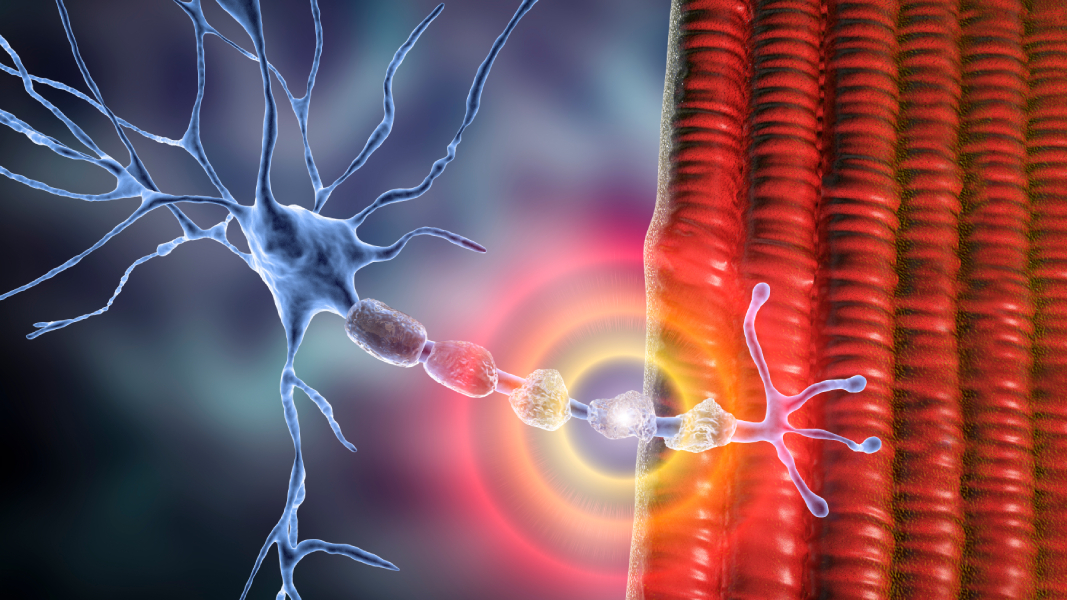
Diabetic peripheral neuropathy (DPN) is a form of nerve damage caused by prolonged high blood sugar levels in people living with diabetes. It is among the most common complications of diabetes, and it most frequently affects the peripheral nerves of the legs and feet, though it can involve other areas of the body as well.

Over time, high blood sugar can injure the small blood vessels that carry oxygen and nutrients to the nerves. When those blood vessels are compromised, the nerves they supply begin to deteriorate. The resulting neuropathy can range from mild sensory changes to significant, disabling pain. Understanding this process is an important first step toward managing symptoms and protecting overall health.

Woman at elevators in front of San Antonio Eye Specialists sign.

How Diabetic Neuropathy Affects the Body and Daily Life

The peripheral nerves are responsible for sending signals between the brain and the rest of the body, including sensations of touch, temperature, and pain, as well as signals that control muscle movement. When diabetic peripheral neuropathy damages these nerves, those signals become distorted or blocked entirely.

Symptoms of diabetic neuropathy can vary widely from person to person, but commonly include:

  • Numbness or reduced sensation, particularly in the feet and legs
  • Tingling or a pins-and-needles feeling in the extremities
  • Sharp, burning sensations or shooting pain that may worsen at night
  • Muscle weakness in the feet or hands, which can affect coordination and gait
  • Heightened sensitivity to touch, where even light contact causes discomfort
  • Loss of balance or difficulty walking

These symptoms can make routine daily life more difficult. Weakness and numbness in the feet increase fall risk, while chronic pain disrupts sleep and limits activity. In more advanced cases, DPN can contribute to serious complications, including foot ulcers and infections, which, if left untreated, can lead to more significant medical consequences. Effective management is important for preventing further nerve damage and supporting well being over time.

Some individuals with diabetes also develop other forms of neuropathy that affect different parts of the nervous system. Proximal neuropathy, for example, can cause pain and weakness in the hips, thighs, or buttocks. Autonomic neuropathy involves the autonomic nervous system, which regulates functions the body carries out without conscious control, such as blood pressure regulation, the digestive system, and other internal processes. When the digestive tract is affected, symptoms may include nausea, bloating, or unpredictable digestion. Autonomic neuropathy may also affect sexual function in both men and women. These forms of neuropathy are distinct from diabetic peripheral neuropathy and may require separate evaluation and management.

A physical therapist in blue scrubs examines a woman's lower back as she sits on an exam table in a clinic, lifting her shirt slightly to expose the area.

Treatment Options for Diabetic Peripheral Neuropathy in Dripping Springs

Managing diabetic peripheral neuropathy typically requires a comprehensive approach that addresses both the underlying driver of nerve damage and the symptoms it produces. At Greater Austin Pain Center's Dripping Springs location, care is tailored to each patient's presentation and goals.

Blood Sugar Control

Because high blood sugar levels are the root cause of DPN, maintaining stable blood glucose levels is foundational to any treatment plan. This typically involves coordination with a primary care provider or endocrinologist around medications (such as insulin or oral hypoglycemics), healthy eating habits, and regular physical activity. Slowing or halting further nerve damage often depends on how well blood sugar is managed over time.

Medications for Nerve Pain

Several classes of medications may help reduce pain associated with diabetic neuropathy. Anticonvulsants such as gabapentin and pregabalin are commonly used for nerve pain. Certain antidepressants can also help alleviate diabetic nerve pain by modulating pain signaling in the nervous system. Topical agents may be appropriate for some patients to reduce localized discomfort in affected nerves. Medication choices are individualized based on symptom severity and other health factors.

Lifestyle Modifications

Lifestyle modifications play a meaningful supporting role in managing DPN symptoms. Regular exercise can improve circulation to the legs and feet, support blood glucose control, and help reduce pain over time. A healthy diet that supports stable blood sugar levels is equally important. Quitting smoking is strongly encouraged, as smoking further impairs circulation and can accelerate nerve damage. Limiting alcohol intake may also help manage symptoms and avoid further damage.

Foot Care

Careful, consistent foot care is essential for anyone with diabetic peripheral neuropathy. Because numbness can mask injuries, the feet should be inspected regularly for sores, blisters, or signs of infection. Proper footwear that fits well and does not create pressure points is important, as is keeping the skin clean and moisturized to reduce the risk of breakdown.

Interventional Procedures

For patients whose nerve pain is not adequately controlled through medications and lifestyle changes alone, interventional options may offer meaningful relief. Nerve Blocks use local anesthetic delivered near affected nerves to interrupt pain signals, and may be appropriate for certain patterns of diabetic neuropathy pain. Spinal Cord Stimulators involve implanting a small device that modifies pain signals before they reach the brain, and can be an option for patients with refractory chronic pain from peripheral neuropathy. Peripheral Nerve Stimulation is another advanced option that delivers gentle electrical signals directly near the peripheral nerves involved in pain, and may be considered when other treatments have not provided adequate symptom control. Your GAPC care team can discuss which interventional approaches may be appropriate based on your specific symptoms and history.

Supportive therapies such as physical therapy can also complement the interventional and medical treatments above. GAPC can coordinate referrals to physical therapy for patients who would benefit from structured rehabilitation, balance training, or strength work to address muscle weakness and reduce fall risk.

Woman at elevators in front of San Antonio Eye Specialists sign.

Getting Care for Diabetic Neuropathy at Greater Austin Pain Center

1

Step 1: Schedule an Appointment

Reaching out to Greater Austin Pain Center is the first step toward a clearer understanding of your symptoms. New patients at the Dripping Springs clinic can schedule online or by phone. The intake process is designed to be straightforward, and the team accepts most major insurance plans including Medicare, Humana, United Healthcare, and many others.

2

Step 2: Evaluation and Diagnosis

At your initial visit, a GAPC pain specialist will review your diabetes history, current blood sugar control, symptom patterns, and any prior treatments you have tried. The evaluation focuses on understanding how your neuropathy is affecting daily life, which areas of the body are involved, and what may be driving your symptoms. This thorough assessment helps ensure that your care is built around an accurate picture of your condition.

3

Step 3: Personalized Treatment Plan

Based on the evaluation, your care team will develop a treatment plan tailored to your specific symptoms, health history, and goals. For some patients, this may center on medication management and lifestyle modifications. Others may be candidates for interventional procedures such as nerve blocks or spinal cord stimulation. Referrals for physical therapy or coordination with your primary care provider can also be part of the plan when appropriate.

4

Step 4: Ongoing Care and Follow-Up

Diabetic peripheral neuropathy is a chronic condition, and effective management requires ongoing attention. GAPC's Dripping Springs team will monitor your response to treatment and adjust your care plan as needed over time. Regular follow-up visits allow the team to catch changes early, address new symptoms, and help you work toward the best possible quality of life with diabetes.

Testimonials

5 gold stars

"Dr. Jarzembeck is AMAZING. I HIGHLY recommend her for anyone suffering in pain. She goes above and beyond to make sure her patients pain has been dealt with."

Genia G.
5 gold stars

"Everyone is so friendly and helpful, Dr. Bednar came to me and explained the procedure and answered my questions. Highly recommend!"

Maggie G.
5 gold stars

"Dr. Julia is the best! The staff is professional and friendly to all. Best of all, Dr. Julia is finding solutions for my chronic pain! Never thought that it would be possible. It's a journey for me, but it seems like there is a solution."

Nancy M.

Frequently Asked Questions

How long does diabetic peripheral neuropathy typically last?

arrow icon

DPN is generally a long-term condition. It may persist for months or years, and in many cases it is ongoing for as long as diabetes remains present. The course of symptoms often depends heavily on how well blood sugar levels are managed over time. Early and consistent treatment may help slow progression and reduce symptoms, but the timeline varies considerably from person to person.

Can diabetic peripheral neuropathy be reversed?

arrow icon

DPN cannot typically be fully reversed, but effective management through improved blood sugar control, medications, lifestyle changes, and interventional treatments where appropriate can meaningfully reduce symptoms and help prevent further nerve damage. Many patients experience improvement in nerve pain and quality of life with the right combination of treatments.

How is blood sugar control related to managing DPN symptoms?

arrow icon

High blood sugar levels over time are the primary driver of nerve damage in diabetic peripheral neuropathy. Maintaining stable blood glucose levels is one of the most important steps a person can take to slow the progression of DPN and, in some cases, reduce the severity of symptoms. Your GAPC care team can work alongside your primary care provider or endocrinologist to coordinate a plan that addresses both pain management and blood glucose control.

What lifestyle modifications can help reduce diabetic nerve pain?

arrow icon

Regular physical activity, a healthy diet that supports stable blood sugar, quitting smoking, and limiting alcohol intake are all lifestyle modifications that may help manage diabetic neuropathy symptoms. Exercise in particular can improve circulation to the feet and legs, support blood glucose control, and help reduce pain over time. A GAPC provider can help you understand which changes are most relevant to your situation.

What interventional procedures are available for peripheral neuropathy?

arrow icon

Depending on a patient's symptoms and how they have responded to other treatments, interventional options for diabetic peripheral neuropathy may include nerve blocks, spinal cord stimulators, or peripheral nerve stimulation. These approaches are not appropriate for every patient, and candidacy is determined based on a thorough evaluation. You can call our office to schedule an appointment and discuss whether an interventional approach may be right for you.

What should I do if my current treatment plan is not providing lasting relief?

arrow icon

If your current approach to managing DPN is not giving you adequate symptom control, that is worth discussing with a pain specialist. There are multiple treatment pathways for diabetic neuropathy, and finding the right combination often requires adjustment over time. A pain management consultation at GAPC can help identify whether different medications, interventional procedures, or a change in overall strategy might provide better results.

Lunch & Learn With Our Doctors

Curious about interventional pain treatments in Austin, TX? Join our doctors for an in-person lunch and learn session to find out more about these treatments and ask any questions you may have. This event will be 12–1pm, sign up below to receive more details and RSVP.

Loading security check...

Thank you! Your submission has been received!
Oops! Something went wrong while submitting the form.

Find Diabetic Peripheral Neuropathy Relief Near Dripping Springs

If nerve pain, numbness, or weakness from diabetic neuropathy is affecting your daily life, the team at Greater Austin Pain Center is here to help. Our Dripping Springs clinic serves patients throughout the Hill Country, and our experienced team is ready to work with you on a plan for managing your symptoms. With locations in Austin, Kyle, and San Marcos as well, scheduling an appointment close to home has never been easier. Call us at (512) 298-1645 or schedule online to take the next step toward better neuropathy care.

Schedule an Appointment

Relieve Your Pain Today!
Disclaimer: Using this form does not establish a patient-physician relationship. This form is not to be used for emergencies or urgent requests. Please call 911 if you have a life-threatening emergency.
By submitting this form you agree to the collection of your personal data pursuant to our privacy policy.

Loading security check...

Green padlock icon
All Information Is Secure and Confidential
Thank you! Your submission has been received!
Oops! Something went wrong while submitting the form.
A modern medical office waiting room with gray chairs, small tables with plants and brochures, wood-style flooring, and a reception desk. The wall displays the sign "Greater Austin Pain Center."

Greater Austin Pain Center Is Hiring! Apply Online Today