Currently accepting new patients
Address

170 Benney Ln Suite 203
Dripping Springs, TX 78620
Get Directions

Office hours

Mon: 8AM – 5PM
Tues: 8AM – 5PM
Wed: Closed
Thur: Closed
Fri: Closed
Weekends: Closed

Phone

Phone: (512) 298-1645

Fax: (512) 298-1795

Accepted insurance

- Aetna
- Blue Cross/Blue Shield (BCBS)
- Champ VA
- Cigna
- CMS
- Connected Senior Care Alliance
- Friday
- GEHA
- Humana
- Medicare
- Multiplan
- Oscar
- Railroad Medicare
- Smarthealth
- Tricare
- Triwest
- United Healthcare
- WellMed
- Worker's Compensation
- Private Pay

What Is Coccydynia (Tailbone Pain)?

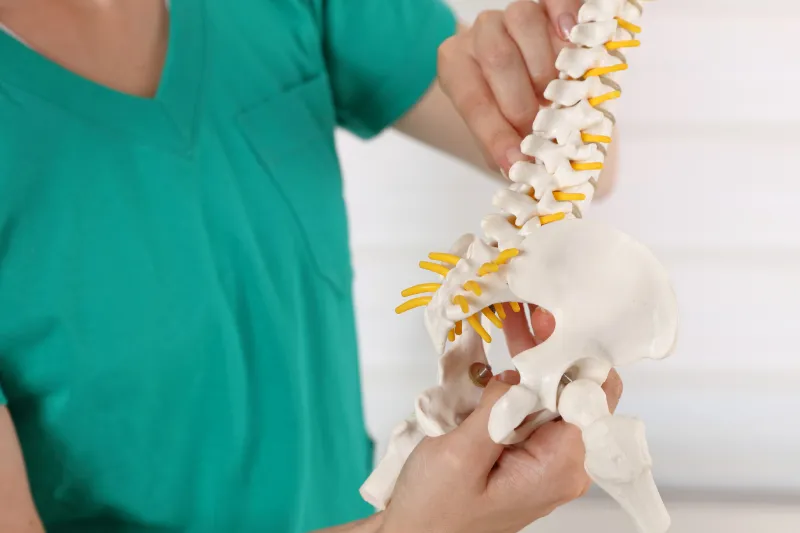
Coccydynia refers to pain centered in the coccyx, the small cluster of bones at the very base of the spine. Muscles, tendons, and ligaments all attach in this area near the sacrococcygeal joint, making it susceptible to irritation from inflammation, trauma, or direct pressure over extended periods. When any of these forces disturb the tailbone region, patients may develop localized coccyx pain that intensifies with sitting, standing up from a seated position, or other routine movements.

Identifying the underlying cause requires a careful review of the patient's medical history, a thorough physical examination, and, in many cases, imaging studies. Pain management specialists use this information to build a coccydynia treatment plan tailored to each individual rather than relying on a one-size-fits-all approach.

Woman at elevators in front of San Antonio Eye Specialists sign.

How Coccyx Pain Affects Your Daily Life

Coccydynia can quietly reshape the way a person moves through the day. Prolonged sitting at a desk, riding in a car, or simply transitioning from a seated position to standing can all become sources of significant discomfort. Many patients also develop compensatory posture habits to avoid loading the tailbone area, which over time can place additional strain on the spine and surrounding pelvic muscles.

Common symptoms associated with tailbone pain include:

  • Localized aching or sharp pain directly over the coccyx
  • Increased pain with prolonged sitting, especially on hard surfaces
  • Tenderness and swelling in the tailbone area
  • Radiating pain into the hips or lower extremities
  • Discomfort during bowel movements due to pressure on the coccyx
  • Muscle tension in the pelvic floor region
  • Pain that disrupts sleep or limits mobility

Left unaddressed, chronic coccyx pain can meaningfully diminish quality of life. Patients dealing with persistent symptoms are encouraged to seek an evaluation rather than waiting for the condition to resolve on its own.

A physical therapist in blue scrubs examines a woman's lower back as she sits on an exam table in a clinic, lifting her shirt slightly to expose the area.

Coccydynia Treatment Options at Our Dripping Springs Clinic

Greater Austin Pain Center takes an interventional pain approach to coccydynia treatment, focusing on minimally invasive therapies designed to address the root cause of tailbone pain rather than simply masking symptoms. The goal is to alleviate pain, restore function, and help patients regain mobility while avoiding unnecessary surgery wherever possible.

Depending on the patient's condition and how chronic pain has progressed, treatment options at our Dripping Springs clinic may include:

  • Targeted injections to reduce inflammation at the sacrococcygeal joint and surrounding tailbone area, including epidural steroid injections and joint injections. Epidural Injections can provide targeted relief for nerve-related inflammation in the lower spine and coccyx region. Joint Injections may be used to deliver anti-inflammatory medication directly to the sacrococcygeal joint.
  • Nerve Blocks to interrupt pain signals from the nerves involved in coccydynia, providing temporary relief or helping confirm the source of pain for further treatment planning.
  • Radiofrequency Ablation, a minimally invasive nerve ablation technique that uses heat energy to disrupt pain signals along targeted nerve pathways for longer-lasting relief in appropriate candidates.
  • Regenerative Medicine options, including regenerative treatments such as Platelet Rich Plasma, for patients whose tailbone pain is associated with tissue injury or joint degeneration.
  • Medication management to reduce inflammation, manage pain, and support participation in rehabilitative activities. Pain relievers and anti-inflammatory agents are often part of a broader, individualized plan.
  • Referral to physical therapy for strengthening exercises, posture correction, and pelvic floor rehabilitation that support long-term spine health and help manage pain between interventional treatments.

For patients whose chronic pain has not responded to conservative care alone, the team may also evaluate whether Spinal Cord Stimulators or other interventional pain treatments are appropriate to manage pain signals when other non-surgical treatments have reached their limits.

Every plan is built around personalized treatment plans and individualized treatments, so what works for one patient may differ from the next. The pain management specialists at our Dripping Springs, TX clinic work closely with each patient to identify which combination of approaches is most likely to deliver meaningful, lasting tailbone pain treatment.

Woman at elevators in front of San Antonio Eye Specialists sign.

How to Get Started with Interventional Pain Care at GAPC

1

Step 1: Schedule an Appointment

Reaching out is straightforward. Patients near Dripping Springs can call our office at (512) 298-1645 or schedule online. Our team will gather basic information about your symptoms and confirm insurance coverage so your first visit focuses on care, not paperwork.

2

Step 2: Evaluation and Precise Diagnosis

At your first appointment, a pain management specialist will review your complete medical history, conduct a physical examination of the tailbone area and surrounding structures, and order any imaging studies needed to understand how coccydynia diagnosed in your case aligns with an underlying cause. This precise diagnosis shapes every subsequent decision in your care plan.

3

Step 3: Your Personalized Coccydynia Treatment Plan

Once your evaluation is complete, your specialist will walk through treatment options that match the severity and nature of your coccyx pain. Personalized care may include targeted injections, nerve blocks, medication management, radiofrequency ablation, or referral to physical therapy, depending on what the evaluation reveals. The plan is designed to relieve pain and restore function in a way that fits your daily life.

4

Step 4: Ongoing Care and Follow-Up

Coccydynia treatment is rarely a single appointment. Your care team will schedule follow-up visits to assess how well your plan is working, adjust interventions if needed, and address any new developments. Many patients dealing with chronic conditions benefit from an evolving, long-term relationship with their pain management team rather than a one-time intervention.

Testimonials

5 gold stars

"Dr. Jarzembeck is AMAZING. I HIGHLY recommend her for anyone suffering in pain. She goes above and beyond to make sure her patients pain has been dealt with."

Genia G.
5 gold stars

"Everyone is so friendly and helpful, Dr. Bednar came to me and explained the procedure and answered my questions. Highly recommend!"

Maggie G.
5 gold stars

"Dr. Julia is the best! The staff is professional and friendly to all. Best of all, Dr. Julia is finding solutions for my chronic pain! Never thought that it would be possible. It's a journey for me, but it seems like there is a solution."

Nancy M.

Frequently Asked Questions

What causes tailbone pain to worsen with prolonged sitting or on hard surfaces?

arrow icon

Sitting places direct pressure on the coccyx and the sacrococcygeal joint. On hard surfaces, that pressure is more concentrated and less distributed across surrounding tissues. Prolonged sitting in the same position also limits the natural movement that can relieve tension around the tailbone area. Poor posture and sitting habits that shift weight unevenly onto the coccyx can compound the problem and increase inflammation over time.

Can coccydynia cause radiating pain into the hips or lower extremities?

arrow icon

Yes. Irritation in the tailbone region can affect nearby nerves and muscles, leading to radiating pain that extends into the hips or lower extremities. This nerve-related pain occurs because the nerves in the lower sacral area are closely associated with the coccyx, and inflammation or structural changes there can influence how those nerves transmit pain signals.

How is coccydynia diagnosed by a pain management specialist?

arrow icon

Getting coccydynia diagnosed typically begins with a detailed review of the patient's medical history and a physical examination focused on the tailbone area. A specialist will assess tenderness, range of motion, and any postural changes. Imaging studies such as X-rays or MRI may be ordered to evaluate the coccyx bones, the sacrococcygeal joint, and surrounding structures, helping to identify the precise underlying cause of the pain.

What are the best treatment options for managing chronic coccyx pain?

arrow icon

The best treatment approach depends on what is causing the pain and how long it has been present. Many patients benefit from a combination of targeted injections to reduce inflammation, nerve blocks to interrupt pain signals, and referral to physical therapy for strengthening exercises and posture correction. For chronic pain that has not responded to these approaches, interventional options such as radiofrequency ablation or spinal cord stimulation may be evaluated. A pain management specialist can help determine which options are most appropriate for each individual patient's condition.

When should patients dealing with tailbone pain see a doctor?

arrow icon

Patients dealing with tailbone pain that persists beyond a few weeks, worsens over time, or begins to interfere with daily activities such as sitting, driving, or bowel movements should seek a medical evaluation. Earlier assessment generally allows for more treatment options and a better chance of addressing the root cause before chronic pain patterns become established.

Does Greater Austin Pain Center offer minimally invasive coccydynia treatment near Dripping Springs, TX?

arrow icon

Yes. Greater Austin Pain Center has a clinic in Dripping Springs, TX, where pain management specialists offer a range of minimally invasive procedures for coccydynia treatment. These include epidural steroid injections, joint injections, nerve blocks, radiofrequency ablation, and other interventional pain treatments suited to each patient's condition. Patients from Dripping Springs and surrounding Hill Country communities can receive comprehensive care without a long drive into Austin.

Lunch & Learn With Our Doctors

Curious about interventional pain treatments in Austin, TX? Join our doctors for an in-person lunch and learn session to find out more about these treatments and ask any questions you may have. This event will be 12–1pm, sign up below to receive more details and RSVP.

Loading security check...

Thank you! Your submission has been received!
Oops! Something went wrong while submitting the form.

Find Tailbone Pain Relief at Greater Austin Pain Center

If tailbone pain is limiting your daily life, the interventional pain management team at Greater Austin Pain Center is here to help. Contact us today at (512) 298-1645 or schedule online to request an appointment at our Dripping Springs location. With additional clinics in Austin, Kyle, and San Marcos, our Texas pain specialists are ready to build a personalized coccydynia treatment plan that works for you.

Schedule an Appointment

Relieve Your Pain Today!
Disclaimer: Using this form does not establish a patient-physician relationship. This form is not to be used for emergencies or urgent requests. Please call 911 if you have a life-threatening emergency.
By submitting this form you agree to the collection of your personal data pursuant to our privacy policy.

Loading security check...

Green padlock icon
All Information Is Secure and Confidential
Thank you! Your submission has been received!
Oops! Something went wrong while submitting the form.
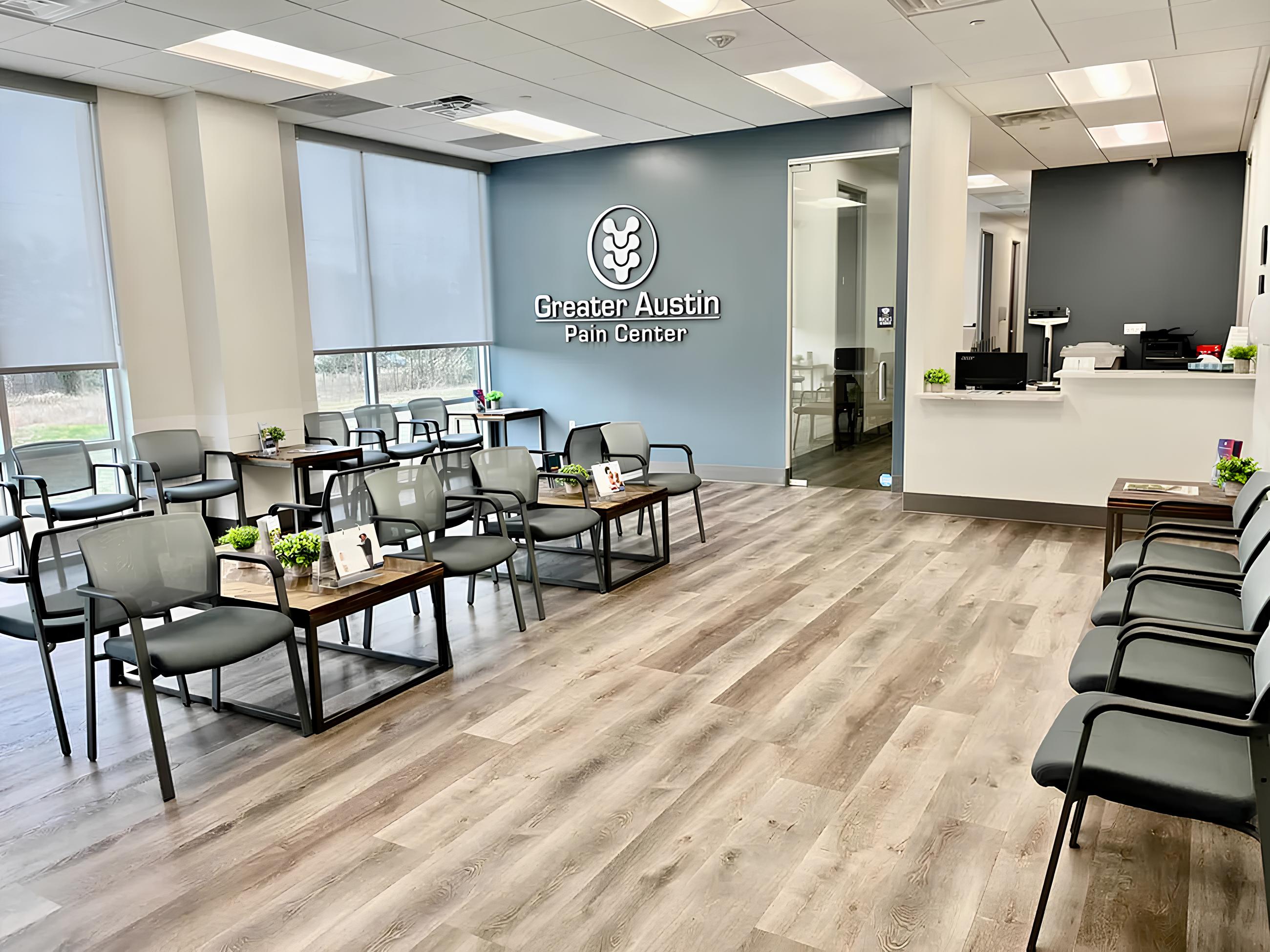
A modern medical office waiting room with gray chairs, small tables with plants and brochures, wood-style flooring, and a reception desk. The wall displays the sign "Greater Austin Pain Center."

Greater Austin Pain Center Is Hiring! Apply Online Today