Spinal Stenosis vs. Herniated Disc: Symptoms and Treatment Differences
November 13, 2026
Quick Answer
Spinal stenosis is a narrowing of the spaces within the spine that can press on the spinal cord or nerves. A herniated disc occurs when disc material pushes outside its normal boundary and irritates a nearby nerve. Both conditions can cause back pain, leg pain, numbness, and tingling, which is why they are often confused. Neither diagnosis automatically means surgery, and many patients find relief with conservative care, injections, or minimally invasive treatment.
Key Takeaways
- Spinal stenosis involves narrowing within the spine, while a herniated disc involves disc material pushing outside its normal position.
- Both conditions can cause back pain, leg pain, numbness, tingling, and weakness, so symptoms alone often cannot tell them apart.
- Spinal stenosis symptoms often worsen with standing or walking and ease when sitting or leaning forward.
- Herniated disc symptoms may be tied to specific movements or positions and often include sharp, shooting pain along a nerve.
- A person can have both conditions at the same time, and an MRI finding alone does not confirm the source of pain.
- Treatment options include physical therapy, medications, epidural injections, and, for select patients with spinal stenosis, the MILD procedure.
- Back or leg pain that lasts several weeks, worsens, or causes weakness should be evaluated by a pain management specialist.
Back pain can have many different causes, and two conditions that are often confused are spinal stenosis and herniated discs. Both can cause back pain, leg pain, numbness, tingling, and other symptoms that affect mobility and quality of life. However, they are different conditions that develop in different ways and may require different approaches to treatment.
Understanding spinal stenosis vs. herniated disc can help you recognize potential symptoms and know when it may be time to seek an evaluation from a pain management specialist.
While some cases of spinal stenosis or a herniated disc can improve with conservative treatment, persistent or severe symptoms may require additional treatment options, including injections or minimally invasive procedures.
What Is Spinal Stenosis?
Spinal stenosis occurs when the spaces within the spine become narrower. This narrowing can place pressure on the spinal cord or the nerves that travel through the spinal canal.
Spinal stenosis most commonly develops in the lower back, known as lumbar spinal stenosis, although it can also occur in the neck.
Age-related changes are one of the most common contributors to spinal stenosis. As the spine changes over time, conditions such as arthritis, bone spurs, thickened ligaments, and degenerative disc changes can gradually reduce the space available for nerves.
Common Symptoms of Spinal Stenosis
Symptoms can vary depending on the location and severity of the narrowing. Common symptoms include:
- Lower back pain
- Pain that travels into the buttocks or legs
- Numbness or tingling
- Leg weakness
- Cramping or heaviness in the legs
- Difficulty standing for extended periods
- Pain that worsens with walking or standing
- Relief when sitting or leaning forward
One of the classic symptoms of lumbar spinal stenosis is neurogenic claudication. This occurs when standing or walking causes pain, numbness, or weakness in the legs, while sitting or bending forward may provide relief.
For some people, symptoms can become progressively more limiting over time.
What Is a Herniated Disc?
A herniated disc occurs when one of the soft discs between the vertebrae pushes beyond its normal outer boundary.
The discs between the vertebrae act as cushions and help absorb shock as you move. Each disc has a softer inner portion surrounded by a tougher outer layer. If the outer layer develops a tear or weak area, the inner material can push outward.
If the herniated disc comes into contact with a nearby nerve, it can cause inflammation and nerve irritation.
Herniated discs can occur anywhere along the spine but are particularly common in the lower back.
Common Symptoms of a Herniated Disc
Symptoms depend on the location of the herniated disc and whether it is affecting a nerve.
Common symptoms include:
A lumbar herniated disc may cause pain that travels from the lower back into the buttock, thigh, calf, or foot. This type of radiating nerve pain is commonly associated with sciatica.
Spinal Stenosis vs. Herniated Disc: What's the Difference?
The primary difference is how the nerve is affected.
Spinal stenosis involves narrowing of the spaces within the spine, which gradually reduces the room available for the spinal cord or nerves.
A herniated disc occurs when disc material pushes outside its normal position and may irritate or compress a nearby nerve.
Although the underlying problems are different, both conditions can result in nerve-related symptoms.
Spinal stenosis typically involves:
- Narrowing of the spinal canal or nerve openings
- Age-related degeneration as a common contributor
- Symptoms that may worsen with standing or walking
- Relief when sitting or leaning forward
- A gradual onset
A herniated disc typically involves:
- Disc material pushing outside its normal boundary
- Causes that include disc degeneration, injury, or strain
- Symptoms that may worsen with certain movements or positions
- Pain that may radiate along the affected nerve
- Symptoms that can sometimes appear suddenly
These patterns are general guidelines rather than strict rules. Symptoms often overlap, and a physician must consider imaging, symptoms, and physical examination results together. It is also possible for someone to have both spinal stenosis and a herniated disc at the same time.
What Causes Spinal Stenosis?
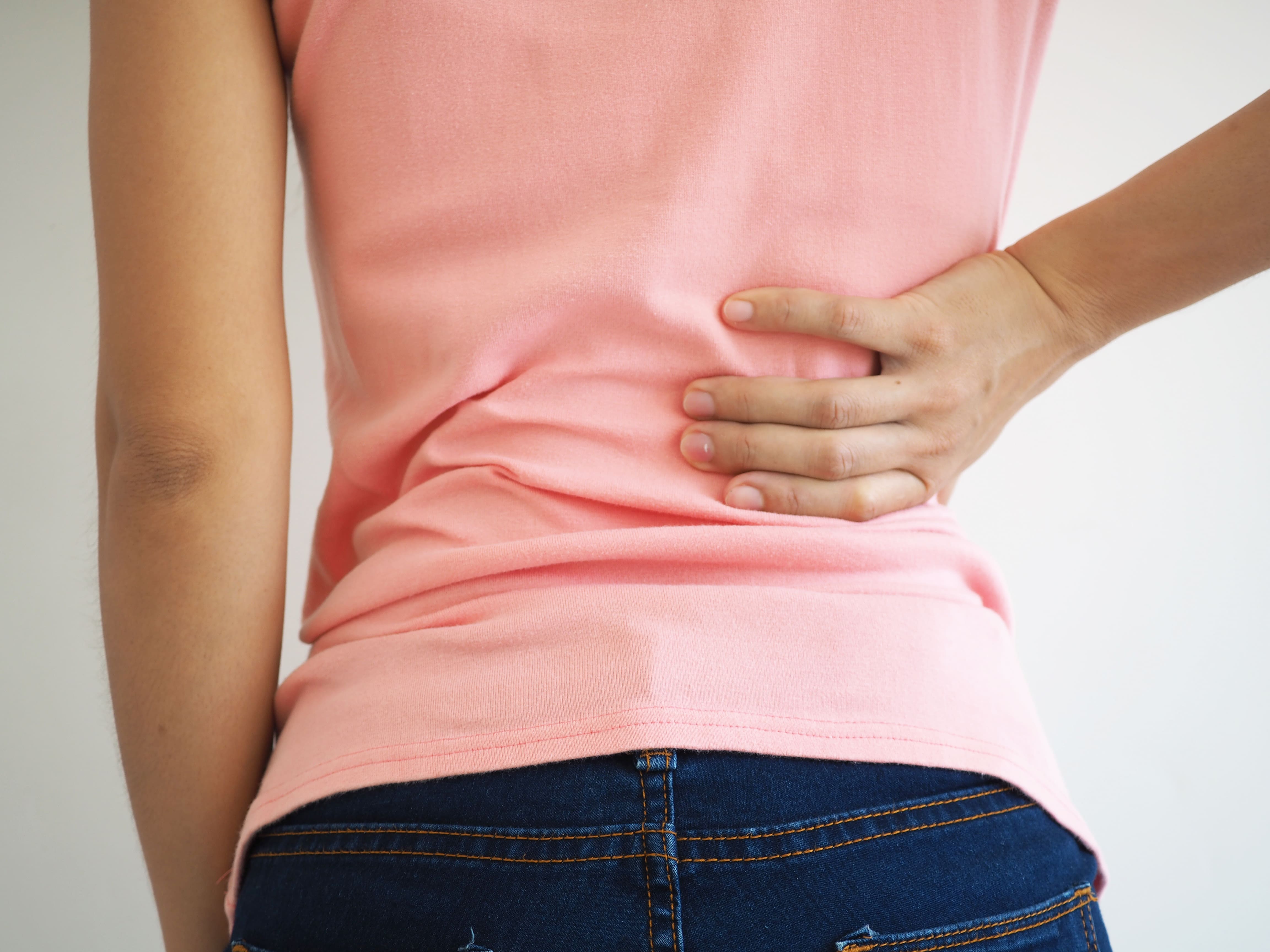
Spinal stenosis is often associated with changes that occur as the spine ages.
Potential contributors include:
Arthritis
Arthritis can cause changes in the joints of the spine and contribute to bone spur formation.
Degenerative Disc Disease
As discs lose height and flexibility, the structure of the spine can change. These changes may contribute to narrowing around the spinal nerves.
Bone Spurs
Extra bone growth can develop as the spine responds to degeneration. Bone spurs can take up space within the spinal canal or around nerve openings.
Thickened Ligaments
Ligaments supporting the spine can become thicker over time, further reducing available space.
Congenital Narrowing
Some people are born with a naturally narrower spinal canal, which can increase their risk of developing symptoms as other degenerative changes occur.
What Causes a Herniated Disc?
Herniated discs can develop for several reasons.
Age-Related Disc Degeneration
As we get older, spinal discs naturally lose some of their flexibility and water content. This can make them more vulnerable to tears and herniation.
Lifting or Straining
Improper lifting, repetitive strain, or sudden stress on the spine can contribute to disc injury.
Injury
A traumatic event can sometimes cause a disc to herniate.
Repetitive Stress
Activities involving repetitive bending, twisting, lifting, or prolonged physical stress may increase the strain placed on spinal discs.
Can a Herniated Disc Cause Spinal Stenosis?
Yes. A herniated disc can contribute to narrowing around a spinal nerve or within the spinal canal.
This is one reason the distinction between the two conditions isn't always straightforward. A patient may have a herniated disc that contributes to nerve compression while also having underlying degenerative changes that cause spinal stenosis.
Imaging studies, such as an MRI, may help physicians understand what is happening inside the spine.
However, imaging findings are only one part of the diagnosis. A person can have spinal degeneration or a herniated disc visible on an MRI without experiencing symptoms. Doctors generally consider imaging findings alongside symptoms and physical examination results.
Spinal Stenosis vs. Herniated Disc Symptoms
The symptoms can overlap significantly, which can make it difficult to tell the difference based on symptoms alone.
Both conditions may cause:
- Back pain
- Leg pain
- Numbness
- Tingling
- Burning sensations
- Weakness
- Radiating pain
One useful distinction is when symptoms occur and what makes them better or worse.
People with lumbar spinal stenosis often experience increased symptoms when standing or walking for an extended period. Sitting or leaning forward may reduce symptoms.
Herniated disc symptoms may be more closely related to specific movements or positions and may include sharp, shooting pain traveling along the path of an irritated nerve.
Because symptoms can overlap, an evaluation can help determine the most likely source.
Treatment for Spinal Stenosis
Treatment depends on the severity of the condition and how significantly symptoms are affecting your daily life.
Conservative treatment may include:
- Physical therapy
- Exercise and activity modification
- Medications
- Weight management when appropriate
- Lifestyle modifications
When conservative measures aren't providing adequate relief, interventional treatments may be considered.
Epidural Injections for Spinal Stenosis
An epidural for spinal stenosis may be considered for some patients experiencing nerve-related pain. An epidural injection delivers medication into the epidural space around the spinal nerves with the goal of reducing inflammation and pain.
Epidural injections don't correct the underlying narrowing, but they may provide temporary symptom relief and potentially help a patient participate more comfortably in physical therapy or other aspects of a treatment plan.
The appropriateness of an epidural depends on the individual's symptoms, diagnosis, and overall health.
Minimally Invasive Procedures
For certain patients with lumbar spinal stenosis who have not responded adequately to conservative treatment, a MILD procedure for spinal stenosis may be an option.
MILD, or minimally invasive lumbar decompression, is designed for select patients whose symptoms are related to specific types of narrowing involving excess ligament tissue.
Because spinal stenosis can have several different causes, not every patient is a candidate for MILD. A physician must evaluate the individual's imaging and symptoms to determine whether the procedure is appropriate.
Treatment for a Herniated Disc

Many herniated discs can initially be treated without surgery.
Depending on the patient's symptoms, treatment may include:
- Physical therapy
- Activity modification
- Medications
- Targeted injections
- Other nonsurgical pain management approaches
Epidural for Herniated Disc
An epidural for a herniated disc may be considered when inflammation around an irritated spinal nerve is contributing to radiating pain.
An epidural injection can deliver medication near the affected nerve with the goal of reducing inflammation and providing pain relief.
Again, an injection doesn't physically repair the herniated disc. However, reducing inflammation and pain may help some patients improve their mobility and participate in rehabilitation.
When Is Surgery Necessary?
Most people with back pain don't automatically need surgery. The appropriate treatment depends on the cause and severity of symptoms.
Surgery may be considered when symptoms are severe, persistent, significantly affecting function, or associated with certain neurological problems.
For a herniated disc, surgery may be considered when a nerve remains significantly compressed despite appropriate nonsurgical treatment or when there is progressive neurological weakness.
For spinal stenosis, surgery may be considered when narrowing causes significant symptoms that don't respond adequately to conservative or minimally invasive treatments.
A pain management specialist can help determine whether nonsurgical treatment options should be explored before surgery or whether a surgical consultation may be appropriate.
Can You Have Both Spinal Stenosis and a Herniated Disc?
Yes. These conditions aren't mutually exclusive.
A person can have a herniated disc along with arthritis, degenerative disc disease, or spinal stenosis. In fact, age-related changes to the spine can create an environment where multiple conditions exist simultaneously.
This is why identifying the specific source of pain is important. Simply seeing a herniated disc or spinal stenosis on an MRI doesn't necessarily tell the entire story.
The goal is to determine whether the imaging findings actually correspond with the patient's symptoms and physical examination.
When Should You See a Pain Management Specialist?
Consider seeking medical evaluation if back or leg pain:
- Continues for several weeks
- Interferes with sleep or normal activities
- Travels down the leg
- Causes numbness or tingling
- Causes weakness
- Makes standing or walking difficult
- Is getting progressively worse
- Hasn't improved with conservative treatment
Seek immediate medical attention for sudden significant weakness, loss of bladder or bowel control, numbness around the groin or inner thighs, or other sudden severe neurological symptoms.
Understanding Your Treatment Options
When comparing spinal stenosis vs. herniated disc, it's important to remember that neither diagnosis automatically means surgery.
Both conditions can sometimes be managed with conservative care, physical therapy, medications, injections, and other nonsurgical treatments. The appropriate approach depends on the underlying anatomy, severity of symptoms, overall health, and how the condition affects your daily life.
At Greater Austin Pain Center, our physicians evaluate spinal conditions and nerve-related pain to help identify potential pain generators and develop individualized treatment plans. If you're experiencing persistent back or leg pain, getting an accurate diagnosis can be an important first step toward finding relief.
Don't assume you have to live with chronic back or leg pain. Understanding whether your symptoms may be related to spinal stenosis, a herniated disc, or another condition can help you and your physician determine the next step in your care. Schedule your consultation today at one of our convenient locations in Austin, Kyle, San Marcos, or Dripping Springs. Together, we’ll develop safer, more effective solutions to help you achieve lasting pain relief.
Frequently Asked Questions
Which is more serious, spinal stenosis or a herniated disc?
Neither condition is automatically more serious than the other. Severity depends on how much nerve compression is present and how much it affects daily function. Some herniated discs improve over time with conservative care, while spinal stenosis can progress gradually. A physician must evaluate symptoms, imaging, and physical examination findings to understand the severity in each case.
Can a herniated disc heal on its own?
Many herniated discs improve with time and nonsurgical care. The inflammation around an irritated nerve often settles as the body responds to the injury. Physical therapy, activity modification, and medications may help manage symptoms during recovery. Persistent or worsening symptoms should be evaluated by a pain management specialist.
Does an MRI confirm whether spinal stenosis or a herniated disc is causing pain?
An MRI shows the structures of the spine, but it does not tell the whole story alone. Many people have disc changes or narrowing on imaging without any symptoms. Physicians compare imaging findings with the pattern of symptoms and the physical exam. The goal is to confirm that what appears on the scan actually matches the source of pain.
Can an epidural injection help both conditions?
An epidural injection may be considered for either condition when inflammation around a spinal nerve contributes to pain. The injection delivers medication into the epidural space to help reduce inflammation. It does not correct narrowing or repair a herniated disc. For some patients, the relief may make it easier to take part in physical therapy and other parts of a treatment plan.
Is walking good or bad for spinal stenosis and herniated disc pain?
The answer depends on the condition and the individual. People with lumbar spinal stenosis often notice that prolonged walking or standing increases leg symptoms, while sitting or leaning forward eases them. Those with a herniated disc may find that certain positions or movements trigger sharp, radiating pain. A physician or physical therapist can recommend appropriate activity levels based on the specific diagnosis.
What symptoms mean back pain needs urgent attention?
Sudden significant weakness in the legs requires immediate medical attention. The same applies to loss of bladder or bowel control and numbness around the groin or inner thighs. These can signal serious nerve compression and should not wait for a routine appointment. Anyone experiencing these symptoms should seek emergency care right away.