Common Symptoms of Leg Pain
Patients may experience one or more of the following:
- Burning or shooting pain
- Numbness or tingling
- “Pins and needles” sensations
- Weakness or instability
- Swelling
- Changes in skin, hair, or nail appearance
- Temperature sensitivity (hot or cold sensations)
Advanced Diagnosis in San Marcos
Because leg pain often stems from the spine, accurate diagnosis is essential. The team at Greater Austin Pain Center focuses on identifying whether symptoms are coming from the lumbar spine, nerves, or the leg itself.
Diagnostic tools may include:
- Physical and neurological exams
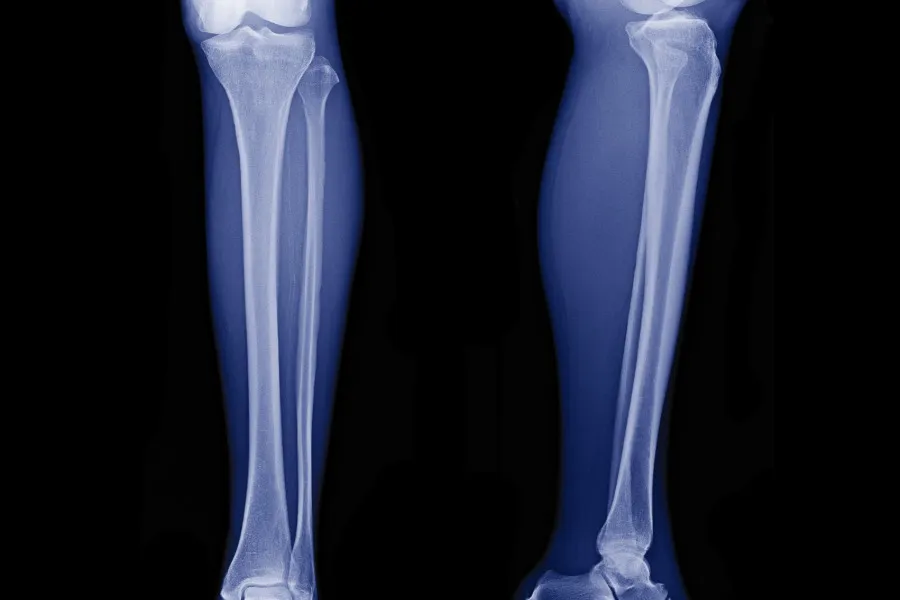
- Imaging such as MRI or X-rays
- Diagnostic injections to isolate the source of pain
Pain management specialists use an individualized approach to identify the root cause of pain and develop personalized treatment plans tailored to each patient's unique needs. This approach ensures treatment targets the underlying issue, not just the symptoms.
Treatment Options for Leg Pain
Treatment is tailored to each patient and may include a combination of conservative and advanced therapies. Our pain doctor will guide you through a range of pain management solutions and pain treatments, ensuring personalized care that addresses your unique needs.
Conservative Treatments:
- Physical therapy (including manual therapy, which can help patients recover faster without the use of pain medications or surgery, and is beneficial for sports injuries, post-surgical recovery, and chronic pain management)
- Heat and ice therapy
- Activity modification and lifestyle modifications to support recovery and prevent further injury related to physical activity
- Chiropractic treatments (may be recommended alongside other therapies such as physical therapy, medications, or minimally invasive procedures for comprehensive pain management)
Medical Management:
- Anti-inflammatory medications
- Nerve pain medications
- Muscle relaxants (for alleviating acute or chronic pain linked to muscle spasms or tense muscles)
Interventional Treatments:
- Epidural steroid injections
- Joint injections (hip, knee, ankle)
- Platelet-rich plasma (PRP) therapy
- Knee viscosupplementation
Advanced Pain Relief Options:
- Radiofrequency ablation (for knee and spine pain)
- Spinal cord stimulation
- Peripheral nerve stimulation
- Dorsal root ganglion stimulation
Surgical Referrals:
- Coordinated referrals to spine, orthopedic, or podiatric specialists when needed
A comprehensive pain management plan may include lifestyle modifications, home-based exercises, medication administration, and minimally invasive surgical procedures. Chronic pain management is a holistic approach that utilizes a combination of techniques, including lifestyle changes and home-based exercises, to address the root causes of pain. Our spine and pain specialists, including double board-certified physicians in Pain Management and Anesthesiology, provide personalized care tailored to each patient. Lone Star Spine is proud to offer these advanced services to the San Marcos community.
Personalized Leg Pain Treatment in San Marcos
Many cases of leg pain can be managed without surgery through personalized care. Treatment often begins with conservative pain management solutions tailored to each patient and progresses to more advanced options if needed. For patients with chronic or severe pain, minimally invasive procedures and nerve stimulation therapies can provide long-term relief.
These pain management solutions are designed to reduce pain, restore movement, and help patients return to normal daily activities with confidence.










.svg)