What Is a Spinal Cord Stimulator and How Does It Work?

A spinal cord stimulator is a small medical device placed near the spine to help manage chronic pain. Once implanted, the system delivers gentle electrical signals that modify how pain messages travel to the brain. This process, known as neuromodulation, changes the way pain is perceived rather than addressing the original source of discomfort.

Instead of eliminating the underlying condition, spinal cord stimulation works by interrupting pain signals before they reach the brain. Many patients report a significant reduction in pain sensations or experience a mild tingling in place of persistent discomfort.

Because individual results can vary, treatment always begins with a temporary trial. This allows patients and physicians to evaluate how effective the therapy is before moving forward with a permanent implant. If needed, spinal cord stimulators can be removed safely without harming the spinal cord or surrounding nerves.

Spinal Cord Stimulator Implants Designed to Improve Daily Life

For patients in Dripping Springs, spinal cord stimulation can offer meaningful improvements in sleep, mobility, and overall quality of life while reducing reliance on long-term pain medication. The implant procedure is minimally invasive and generally associated with a lower risk profile compared to more extensive surgical options.

Many patients appreciate the shorter recovery period and the ability to resume everyday activities sooner. When chronic pain interferes with work, rest, or personal routines, spinal cord stimulation may provide a new path forward.

Man with back pain at desk

Conditions Treated With Spinal Cord Stimulation

Spinal cord stimulators are typically recommended when conservative or nonsurgical treatments have not delivered adequate relief. This therapy may be used to help manage several forms of chronic pain, including:

  • Chronic back pain
  • Nerve-related pain conditions
  • Pain following spine or joint surgery
  • Arachnoiditis
  • Ischemic or heart-related pain
  • Pain associated with spinal cord injuries
  • Peripheral vascular disease
  • Chronic pelvic or perineal pain

In general, spinal cord stimulation is considered for individuals who have not found sufficient relief through medications, injections, physical therapy, or prior surgical interventions.

What to Expect From the Spinal Cord Stimulator Process

Spinal Cord Stimulator Trial

During the trial phase in Dripping Springs, the stimulator is not permanently implanted. Temporary leads are placed near the spine, and an external device delivers electrical pulses. This trial period helps determine whether spinal cord stimulation effectively reduces your pain before committing to long-term treatment.

Spinal Cord Stimulator Implantation

If the trial is successful, a small generator is implanted beneath the skin during a follow-up procedure. Once in place, the system allows you to adjust stimulation settings and manage your relief throughout the day.

Recovery After Spinal Cord Stimulator Surgery

Recovery plays a key role in achieving the best outcome. The first week after surgery is especially important. During this time, your care team will provide clear instructions on activity limitations to protect the device as your body heals. These guidelines often include avoiding:

  • Lifting items heavier than five pounds
  • Strenuous exercise or movements that could shift the device
  • Twisting, bending, or sudden jerking motions
  • Long periods of sitting that place pressure on the spine
  • Raising your arms above shoulder level

Certain activities, including driving, may be temporarily restricted. Patients are encouraged to discuss work duties, household needs, or lifestyle concerns with their physician before surgery so recovery planning can be tailored appropriately.

Woman at elevators in front of San Antonio Eye Specialists sign.

The Spinal Cord Stimulator Implant Process

1

Schedule an Appointment

Taking the first step toward relief begins with scheduling an appointment at Greater Austin Pain Center. Our pain management specialists will review your medical history, imaging such as CT scans, prior treatments like epidural injections, and your current pain medication use to determine whether spinal cord stimulation is appropriate for your chronic pain condition. You may call our office or submit a request online, and our team will help coordinate your visit.

2

Spinal Cord Stimulator Trial Period

If spinal cord stimulation is commonly recommended for your pain conditions, you will begin with a trial implantation. During this trial period, a small device is placed near the spinal cord without permanent implantation. Electrical pulses are delivered to the affected area to interrupt pain signals traveling to the brain, allowing you and your pain doctors to evaluate changes in pain perception.
This temporary cord stimulator trial typically lasts several days and helps determine whether spinal cord stimulation SCS can provide sufficient relief for your patient’s pain before proceeding further.

3

Permanent Implantation

When the trial implantation provides meaningful improvement, a permanent spinal cord stimulator implant may be recommended. During spinal cord stimulator implantation, the permanent device is surgically implanted beneath the skin, with leads positioned in the epidural space along the spinal cord.

This permanent implantation allows most patients to adjust stimulation settings based on activity level, discomfort, or nerve pain, helping many patients regain control and achieve long term pain relief while reducing reliance on pain medication.

Testimonials

5 gold stars

"Dr. Jarzembeck is AMAZING. I HIGHLY recommend her for anyone suffering in pain. She goes above and beyond to make sure her patients pain has been dealt with."

Genia G.
5 gold stars

"Everyone is so friendly and helpful, Dr. Bednar came to me and explained the procedure and answered my questions. Highly recommend!"

Maggie G.
5 gold stars

"Dr. Julia is the best! The staff is professional and friendly to all. Best of all, Dr. Julia is finding solutions for my chronic pain! Never thought that it would be possible. It's a journey for me, but it seems like there is a solution."

Nancy M.

Frequently Asked Questions

Does spinal cord stimulation work?

arrow icon

Yes. Spinal cord stimulation is an established treatment for chronic nerve pain, post-surgical pain, and other complex pain conditions, including complex regional pain syndrome and peripheral vascular disease. Studies show spinal cord stimulators can reduce pain signals, improve overall quality of life, and help most patients experience better pain management without escalating medication use.

Are you put to sleep for spinal cord stimulator surgery?

arrow icon

Yes. Spinal cord stimulator surgery is performed under general anesthesia. This allows pain specialists to safely secure the leads near the spinal cord while minimizing discomfort and protecting surrounding nerves during the procedure.

Is a spinal cord stimulator trial painful?

arrow icon

Some discomfort is normal after the trial implantation, as with most minimally invasive procedures. In most cases, patients can resume light activities within a few weeks, though specific activities may be limited to protect the surgical site and reduce strain on the spinal cord.

How is a spinal cord stimulator implanted?

arrow icon

During spinal cord stimulator implantation, leads are carefully placed into the epidural space near the spinal cord, and the permanent device is implanted under the skin. The implantation procedure usually takes 30 to 90 minutes, and many patients are able to return home the same day.

Can I return to daily activities after it’s implanted?

arrow icon

Yes, most patients gradually return to normal life after healing. Your pain care team will provide guidance on timing for work, exercise, and other daily activities to ensure the permanent implant remains properly positioned.

Does insurance cover spinal cord stimulators?

arrow icon

Spinal cord stimulators are approved under CPT code 63650 for Medicare patients, and Greater Austin Pain Center works with Medicare and most insurance plans. Coverage depends on individual benefits and medical necessity. Contact our office to review your insurance options and determine eligibility.

Lunch & Learn With Our Doctors

Curious about interventional pain treatments in Austin, TX? Join our doctors for an in-person lunch and learn session to find out more about these treatments and ask any questions you may have. This event will be 12–1pm, sign up below to receive more details and RSVP.

Thank you! Your submission has been received!
Oops! Something went wrong while submitting the form.

Dripping Springs Spinal Cord Pain Doctors

If chronic pain, nerve damage, or spinal cord injuries are affecting your quality of life, our pain doctors are here to help. We proudly serve patients in Austin, Kyle, Dripping Springs, and San Marcos, with advanced pain care focused on long-term solutions. Schedule an appointment today to learn whether a spinal cord stimulator trial and implantation in Dripping Springs may be the right next step for you.

Schedule an Appointment

Relieve Your Pain Today!
Disclaimer: Using this form does not establish a patient-physician relationship. This form is not to be used for emergencies or urgent requests. Please call 911 if you have a life-threatening emergency.
By submitting this form you agree to the collection of your personal data pursuant to our privacy policy.
Green padlock icon
All Information Is Secure and Confidential
Thank you! Your submission has been received!
Oops! Something went wrong while submitting the form.
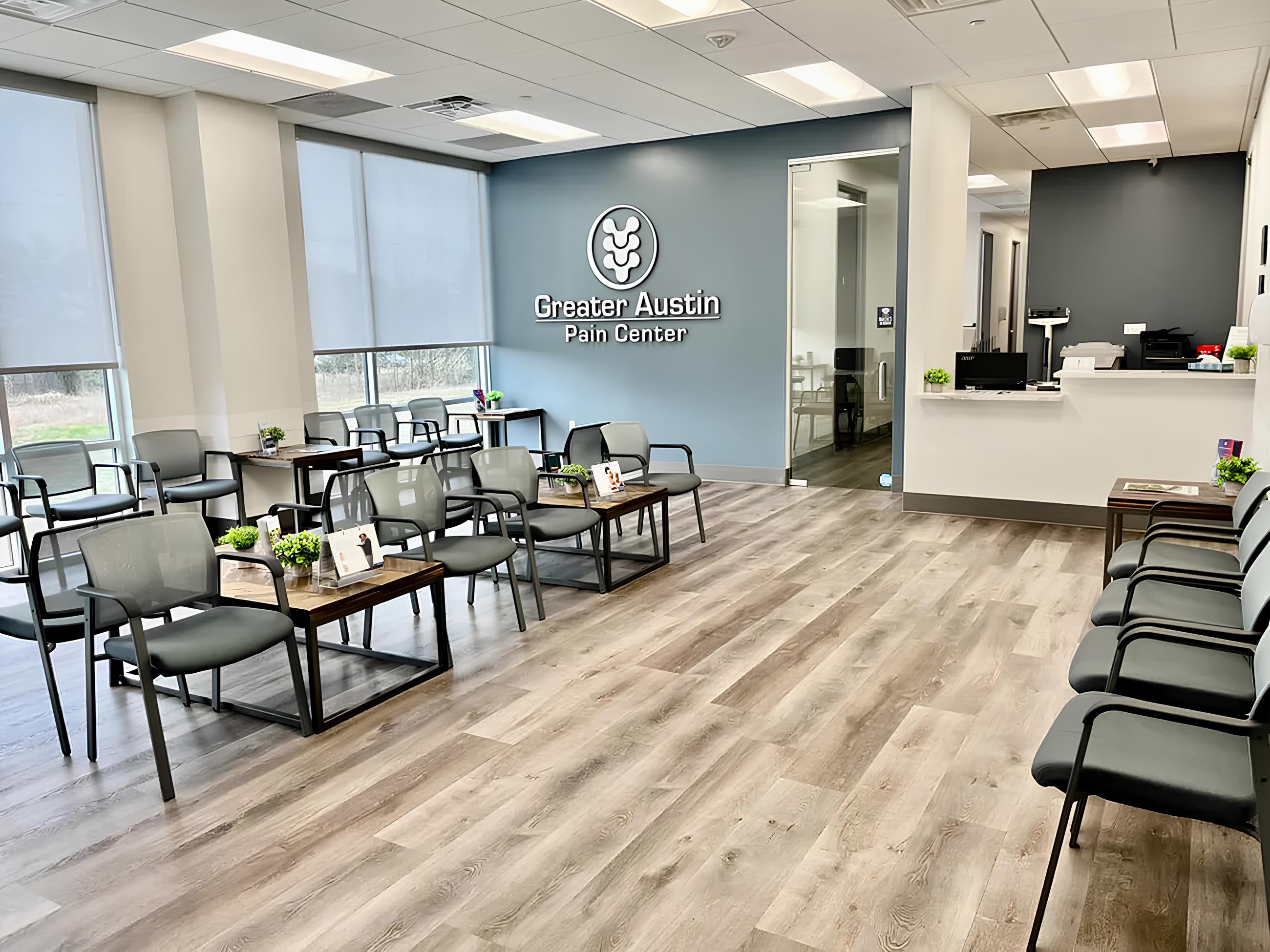
A modern medical office waiting room with gray chairs, small tables with plants and brochures, wood-style flooring, and a reception desk. The wall displays the sign "Greater Austin Pain Center."

Greater Austin Pain Center Is Hiring! Apply Online Today