What Is Peripheral Nerve Stimulation and How Does It Work?

Peripheral nerve stimulation in San Marcos offers a targeted, non-invasive option for patients dealing with chronic pain or acute pain that has not responded to other treatments. This pain management treatment uses mild electrical stimulation to disrupt pain signals before they reach the brain. Unlike spinal cord stimulation, which targets the spinal cord, this therapy focuses on a specific peripheral nerve responsible for pain in a particular area of the body.

A small device is positioned near the affected nerve under the skin. Once activated, the system delivers controlled electrical stimulation that alters pain perception. Many patients experience a reduction in symptoms while maintaining full awareness and mobility, without relying heavily on medication.

Person in shorts holding knee in discomfort.

Conditions Treated With Peripheral Nerve Stimulation

Peripheral nerve stimulation may be used as part of a personalized treatment plan for a variety of pain conditions, including:

  • Chronic nerve pain
  • Neck pain and upper extremity pain
  • Post-traumatic pain
  • Chronic or acute pain following surgery
  • Pain related to nerve irritation or injury

What To Expect From Peripheral Nerve Stimulation Treatment

Peripheral nerve stimulation follows a structured process to ensure the treatment is appropriate and effective for each patient. Our pain specialists explain every step clearly and tailor care to individual needs.

Peripheral Nerve Stimulation Trial

The first step is a trial period. During this phase, temporary leads are placed near the targeted peripheral nerve, and an external device delivers electrical stimulation. This allows patients and physicians to evaluate symptom improvement before moving forward.

The trial helps determine whether nerve stimulation is the right treatment option based on how your body responds.

Peripheral Nerve Stimulation Implantation

If the trial is successful, a small permanent device is placed beneath the skin during a minimally invasive procedure. The system is programmed to provide customized stimulation, and patients are given control to adjust settings as needed throughout daily life.

This individualized approach supports long term relief while minimizing dependence on pain medication.

Possible Side Effects and Considerations

Peripheral nerve stimulation is considered a low risk procedure. As with any medical treatment, there are potential risks, including infection at the insertion site, temporary soreness, or device-related complications. These risks are discussed thoroughly during your consultation so you can make an informed decision about care. Our pain management specialists monitor patients closely and adjust treatment as needed to ensure safety and effectiveness.

Woman at elevators in front of San Antonio Eye Specialists sign.

The Peripheral Nerve Stimulation Process

1

Schedule an Appointment

Getting started is simple. Call our office or submit an online request to schedule your appointment at our San Marcos location. Our team will follow up to confirm details and answer any initial questions about peripheral nerve stimulation and pain management options.

2

Initial Evaluation

Your first visit focuses on understanding you. Our pain management specialists review your medical history, discuss symptoms, evaluate previous treatments, and perform a physical examination. This step allows us to determine whether peripheral nerve stimulation fits your individual needs and overall treatment plan.

3

Peripheral Nerve Stimulator Trial

Before committing to a permanent device, patients complete a trial period. During this outpatient procedure, temporary leads are placed near the targeted peripheral nerve while stimulation is delivered through an external device. This phase helps determine how well nerve stimulation reduces pain and improves daily function.

4

Permanent Implant

If the trial produces meaningful relief, a small device is implanted beneath the skin during a minimally invasive procedure. The stimulator is programmed specifically for your symptoms, and patients are given control to adjust stimulation levels as needed to support long term relief and improved quality of life.

Testimonials

5 gold stars

"Dr. Jarzembeck is AMAZING. I HIGHLY recommend her for anyone suffering in pain. She goes above and beyond to make sure her patients pain has been dealt with."

Genia G.
5 gold stars

"Everyone is so friendly and helpful, Dr. Bednar came to me and explained the procedure and answered my questions. Highly recommend!"

Maggie G.
5 gold stars

"Dr. Julia is the best! The staff is professional and friendly to all. Best of all, Dr. Julia is finding solutions for my chronic pain! Never thought that it would be possible. It's a journey for me, but it seems like there is a solution."

Nancy M.

Frequently Asked Questions

Does peripheral nerve stimulation work for chronic pain?

arrow icon

Peripheral nerve stimulation has been shown to reduce pain and improve quality of life for many patients suffering from chronic pain. By targeting specific peripheral nerves, the treatment can help interrupt pain signals before they reach the brain.

How effective is peripheral nerve stimulation?

arrow icon

Clinical research and patient outcomes show that nerve stimulation can be highly effective for treating chronic or acute pain when other treatments have not provided adequate relief. Success varies based on the condition being treated and individual response.

What types of pain can peripheral nerve stimulation treat?

arrow icon

Peripheral nerve stimulation may be used to treat pain in areas such as the neck, shoulders, arms, legs, and trunk. It is often recommended for patients dealing with nerve-related pain, post-traumatic pain, or pain following surgery.

Can peripheral nerve stimulation help diabetic nerve pain?

arrow icon

Yes. Electrical stimulation delivered directly to affected peripheral nerves may help reduce pain associated with diabetic neuropathy. In some cases, patients also report improved nerve function over time.

How long do the benefits last?

arrow icon

Results vary by patient. Many individuals experience long term relief lasting several years. If symptoms change, the device can be adjusted to maintain effectiveness as your condition evolves.

When can I return to normal activities?

arrow icon

Most patients can resume light activities relatively quickly. Your physician will provide specific guidance on when it is safe to return to daily routines, exercise, and work based on your recovery.

Is peripheral nerve stimulation covered by insurance?

arrow icon

Greater Austin Pain Center accepts most insurance plans. Coverage varies, so we recommend contacting our office to discuss benefits and coverage details related to peripheral nerve stimulation treatment.

Lunch & Learn With Our Doctors

Curious about interventional pain treatments in Austin, TX? Join our doctors for an in-person lunch and learn session to find out more about these treatments and ask any questions you may have. This event will be 12–1pm, sign up below to receive more details and RSVP.

Thank you! Your submission has been received!
Oops! Something went wrong while submitting the form.

Treat Chronic Pain With Peripheral Nerve Stimulation in San Marcos

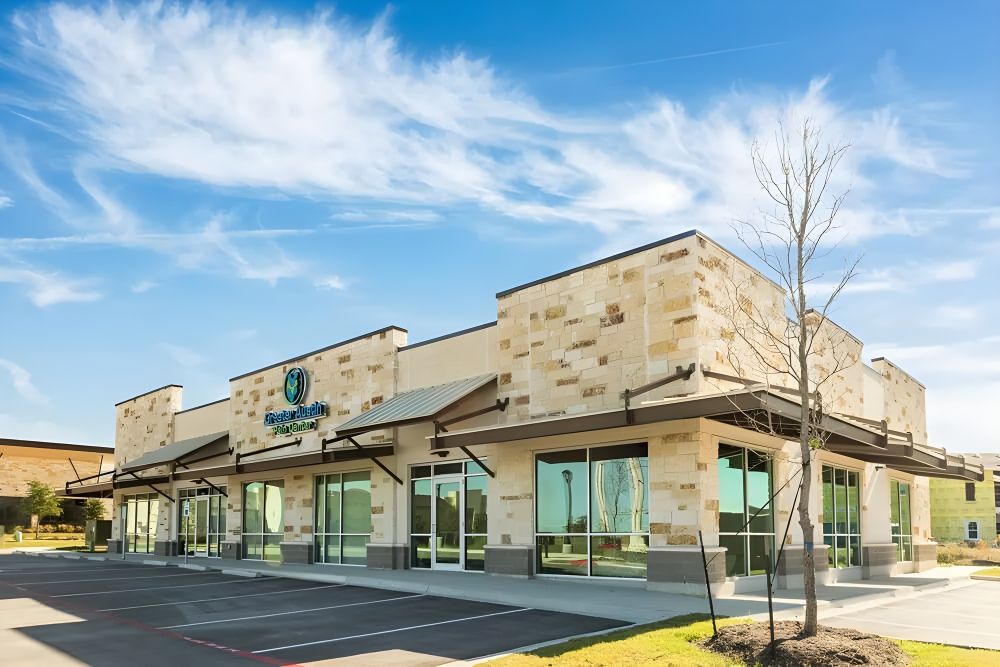
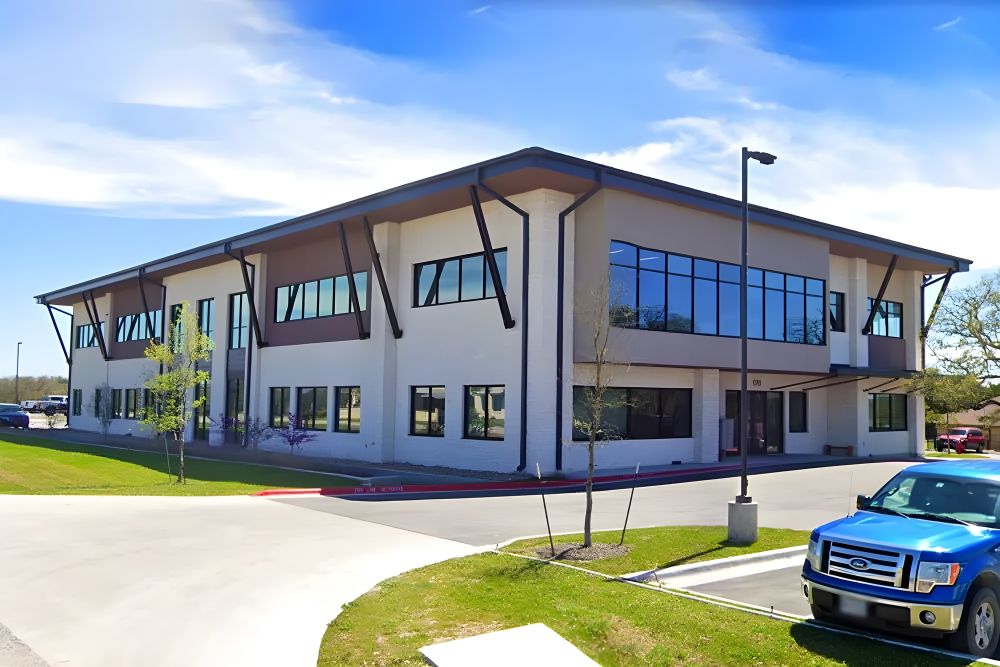
If you are suffering from chronic pain and searching for a solution that goes beyond medication alone, peripheral nerve stimulation may be the next step. At Greater Austin Pain Center, our pain management doctors take a compassionate, individualized approach to care. With convenient locations in Austin, Kyle, Dripping Springs, and San Marcos, our team is ready to help you regain control and improve your quality of life.

Schedule an Appointment

Relieve Your Pain Today!
Disclaimer: Using this form does not establish a patient-physician relationship. This form is not to be used for emergencies or urgent requests. Please call 911 if you have a life-threatening emergency.
By submitting this form you agree to the collection of your personal data pursuant to our privacy policy.
Green padlock icon
All Information Is Secure and Confidential
Thank you! Your submission has been received!
Oops! Something went wrong while submitting the form.
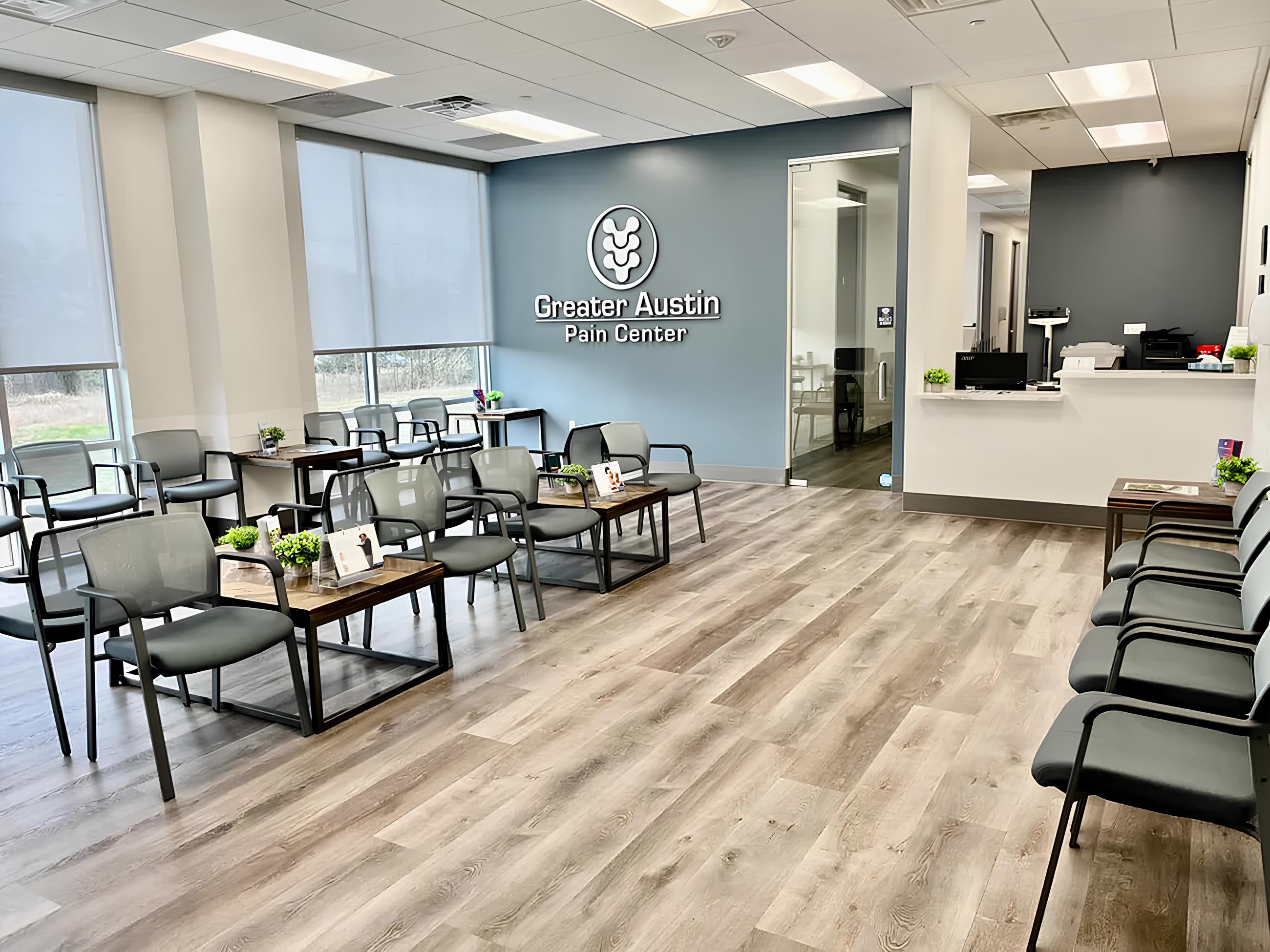
A modern medical office waiting room with gray chairs, small tables with plants and brochures, wood-style flooring, and a reception desk. The wall displays the sign "Greater Austin Pain Center."

Greater Austin Pain Center Is Hiring! Apply Online Today