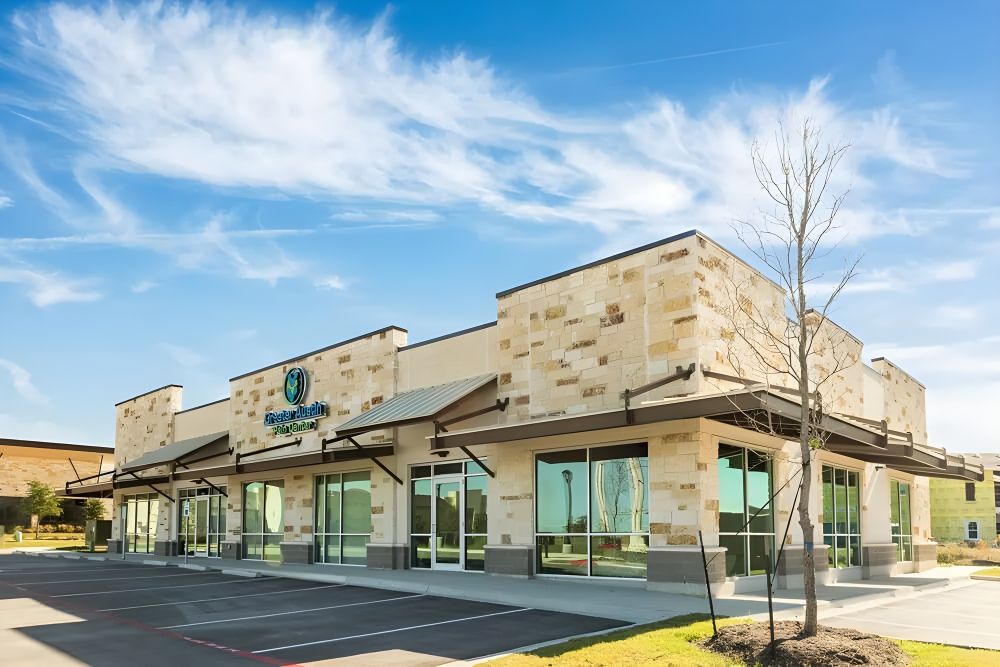
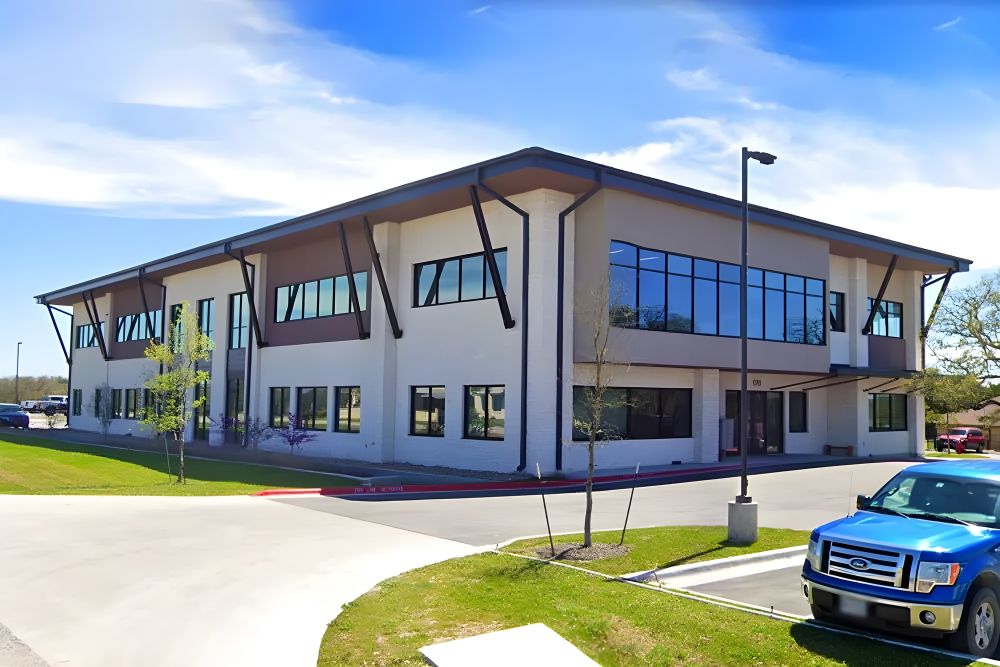
2007 Medical Pkwy, Suite B
San Marcos, TX 78666
Get Directions
Mon - Friday: 8AM – 5PM
Weekends: Closed
Phone: (512) 298-1645
Fax: (512) 298-1795
Insurance list coming soon. Contact us to verify your coverage before your visit.

2007 Medical Pkwy, Suite B
San Marcos, TX 78666
Get Directions
Mon - Friday: 8AM – 5PM
Weekends: Closed
Phone: (512) 298-1645
Fax: (512) 298-1795
Insurance list coming soon. Contact us to verify your coverage before your visit.

The spine is composed of vertebrae stacked together, creating a protective structure around the spinal cord. Between these vertebrae are intervertebral discs that act as cushions, absorbing impact during daily movements like walking, bending, or lifting. Each disc consists of a soft, gel-like core encased in a tougher outer layer. When the outer layer weakens or tears, the inner material can bulge out, irritating nearby nerves. This condition, commonly called a herniated disc or ruptured disc, can cause significant pain and discomfort.
Herniated discs most frequently develop in the lower back or neck, though they can occur anywhere along the spine. When the displaced disc presses on nearby nerves, it may trigger a variety of symptoms, from localized pain to radiating sensations that affect the arms, legs, or back.

Herniated discs can develop due to various reasons, including sudden injuries or gradual wear and tear over time. Factors that can contribute to this condition include:

At the Greater Austin Pain Center San Marcos pain clinic, we use a patient-focused approach to treat herniated discs. Every individual’s condition is unique, so we begin with a thorough evaluation that includes imaging studies (such as X-rays or MRIs) and physical examinations to assess muscle strength, pain patterns, and aggravating activities. From there, we develop a customized treatment plan.
Although most herniated discs respond well to non-invasive treatments, severe cases may require surgical intervention. Procedures such as microdiscectomy or laminectomy are designed to remove the damaged portion of the disc and relieve nerve compression.

Several factors can increase your chances of developing a herniated disc. These include:
At Greater Austin Pain Center, we are committed to helping you regain your mobility and enjoy a pain-free life. Our specialists take the time to understand your condition, customize treatment plans, and provide compassionate care throughout your recovery journey.
Discs can weaken over time due to age-related wear, poor posture, or prolonged sitting, making them more vulnerable to herniation.
No, most cases of herniated disc do not require surgery. Most cases of a herniated disc can be managed with non-surgical treatments like physical therapy, medications, or corticosteroid injections.
A bulging disc occurs when the outer layer of the disc protrudes without rupturing. A herniated disc involves the inner gel pushing through a tear in the outer layer, often causing more severe symptoms.
Take the following steps to prevent a herniated disc: maintain good posture, avoid repetitive bending or twisting, strengthen your core muscles, and use proper lifting techniques to minimize strain on your spine.
Yes, physical therapy can help with herniated discs. Physical therapy strengthens the muscles supporting your spine, reduces pressure on the discs, and improves flexibility and posture.
Curious about interventional pain treatments in Austin, TX? Join our doctors for an in-person lunch and learn session to find out more about these treatments and ask any questions you may have. This event will be 12–1pm, sign up below to receive more details and RSVP.
If you’re experiencing symptoms of a herniated disc in San Marcos, TX, contact us today to schedule an appointment. We’ll help you find relief and take steps to protect your spine for the future.

Greater Austin Pain Center Is Hiring! Apply Online Today