Why Minimally Invasive Procedures Can Be a Game-Changer After an Accident
December 5, 2025
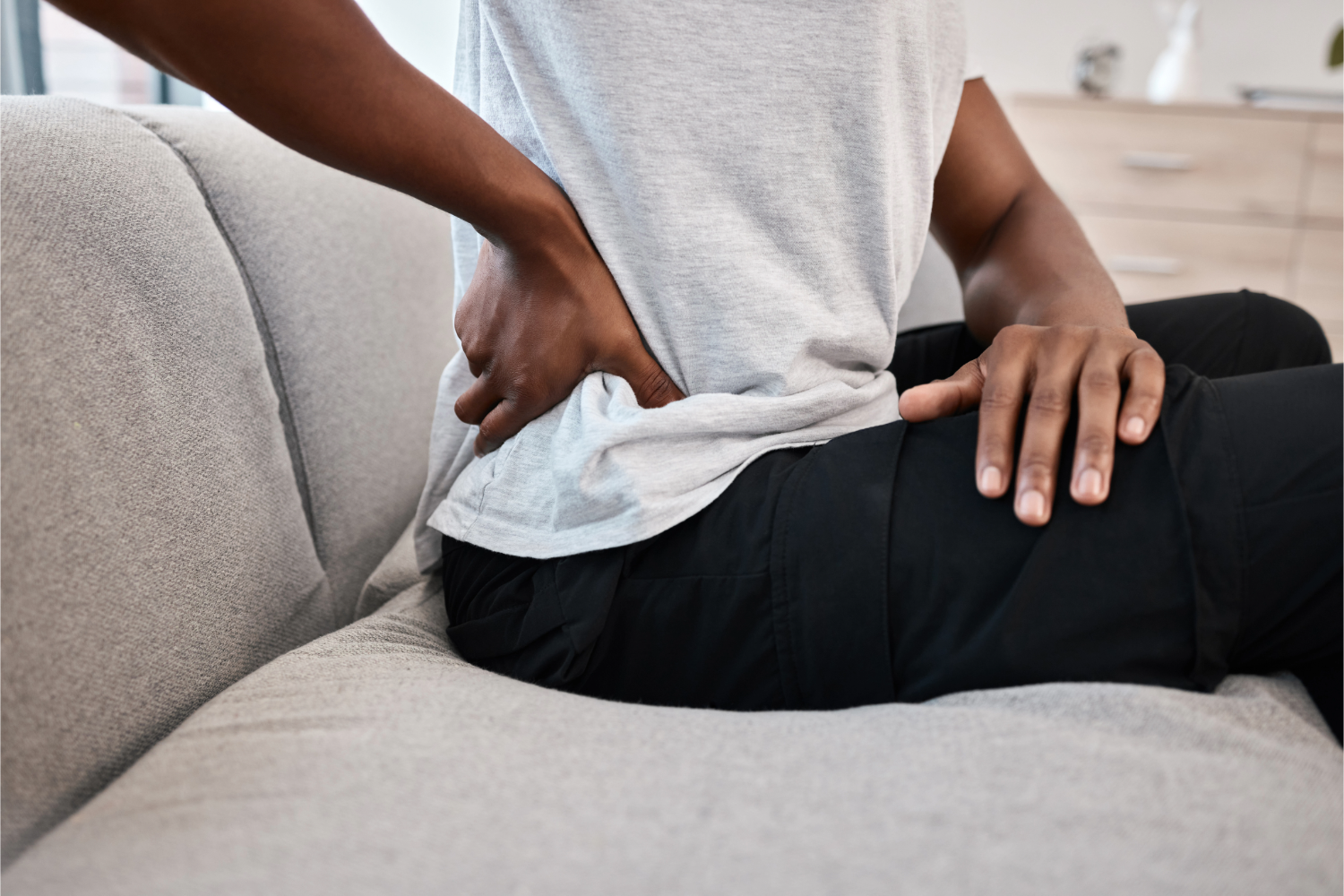
Car accidents range from minor fender-benders to high-impact collisions, but even the most “minor” crashes can cause injuries that linger for weeks, months, or even years. Back pain, neck stiffness, headaches, nerve pain, and soft-tissue injuries are all extremely common after an accident, and for many patients, these symptoms interfere with work, caregiving, sleep, and everyday activities.
For years, the standard path to relief often involved long courses of pain medication, extensive physical therapy, and in more severe cases, surgery. But today, there’s a better alternative for many accident-related injuries: minimally invasive pain procedures.
These non-surgical treatments target inflammation and nerve irritation directly at the source, offering meaningful, lasting relief without the risks or downtime of traditional surgery. For patients who want to return to work faster, avoid opioids, and reduce long-term complications, minimally invasive procedures can be a true game-changer.
Below, we break down why these procedures are becoming the preferred approach in accident injury treatment and how they fit into a comprehensive, non-surgical spine care plan.
1. They Reduce Inflammation at the Root of the Problem
One of the biggest misconceptions about accident injuries is that pain comes solely from structural damage like fractures or torn ligaments. In reality, inflammation is often the driving force behind persistent pain after a crash.
When the body absorbs the sudden force of a collision, joints, discs, muscles, and nerves can all become irritated or compressed.
This swelling can:
- Trigger nerve pain that radiates into the arms or legs
- Cause sharp, stabbing pain with simple movements
- Lead to muscle spasms and stiffness
- Limit mobility and flexibility
Minimally invasive procedures such as epidural steroid injections, facet joint injections, sacroiliac joint injections, and nerve blocks are designed to deliver targeted anti-inflammatory medication exactly where the irritation is occurring. Instead of trying to calm inflammation with systemic steroids, oral medications, or general rest, these procedures get right to the point of injury. By reducing swelling around irritated nerves, patients often experience relief far more quickly and with fewer side effects than with traditional treatments.
2. Minimally Invasive Procedures Offer Faster Recovery and Less Downtime
One of the most important benefits of non-surgical spine care is the ability to recover quickly and resume normal daily activities.
Most minimally invasive treatments:
- Use only a tiny needle, no incisions
- Take less than 15–20 minutes
- Require little to no anesthesia
- Are performed in an outpatient setting
- Allow patients to go home the same day
- Have virtually no downtime
Many patients notice improvement within just a few days, and most return to work or light activity almost immediately. Compared to surgery, which may require hospitalization, extended physical therapy, and weeks or months of limited activity, minimally invasive procedures are an ideal choice for patients balancing jobs, family responsibilities, or tight schedules.
For accident victims who can’t afford long periods away from work or who need to recover quickly for legal or insurance purposes, this reduced downtime is especially valuable.
3. They Come With Far Fewer Risks Than Traditional Surgery
Surgery can be life-changing for the right patient, but it also carries risks such as:
- Infection
- Significant bleeding
- Nerve damage
- Complications from anesthesia
- Prolonged healing
- Scar tissue formation
- Need for future revision surgeries
For many accident-related injuries, surgery is not only unnecessary but also overly invasive when compared to non-surgical alternatives. Minimally invasive procedures eliminate or drastically reduce these risks. Because the treatments are targeted, short, and performed with precise imaging guidance, complications are rare. Patients who are older, have complex medical histories, or are not candidates for surgery often find these procedures to be a safe and effective option.
4. They Help Reduce Dependence on Opioids and Long-Term Medications
After an accident, many patients are prescribed pain medication to help manage their symptoms. While medications can be helpful in the short term, long-term dependence on opioids or muscle relaxants can lead to:
- Tolerance or decreased effectiveness over time
- Undesirable side effects (nausea, sedation, constipation)
- Risk of dependence
- Difficulty maintaining daily function
Minimally invasive procedures address pain at the source instead of simply masking it. By calming inflamed nerves and stabilizing irritated joints, patients often find that they need far less medication or none at all. This is a major advantage during accident recovery, especially for patients who want to avoid the physical and emotional complications of long-term medication use.
5. They Support and Enhance Physical Therapy Progress
Physical therapy is one of the most important components of a successful recovery after an accident. However, when pain is severe, patients often struggle to participate in their rehab programs. Pain makes it difficult to stretch or strengthen injured tissues, and the more a patient avoids movement, the more stiffness and weakness can develop. Minimally invasive procedures can rapidly lower pain enough to allow patients to fully engage in physical therapy.
This means:
- Better mobility
- Improved strength
- Faster healing
- Lower risk of long-term or chronic pain
- More confidence during movement
Combining minimally invasive treatments with targeted rehabilitation is often the fastest and most effective way for accident victims to recover fully.
6. They Offer a Personalized, Non-Surgical Path to Relief
Accident injuries vary greatly from person to person. One individual might experience severe nerve pain from a herniated disc, while another suffers from debilitating muscle spasms or sacroiliac joint dysfunction. Because minimally invasive procedures come in many forms, they allow specialists to tailor treatment to each patient’s specific needs.
Common options include:
Epidural Steroid Injections
Ideal for radiating pain, sciatica, disc herniations, and spinal inflammation.
Facet Joint Injections & Medial Branch Blocks
Used for neck or back pain caused by whiplash, arthritis, or joint irritation.
Radiofrequency Ablation (RFA)
Provides long-term relief by gently disrupting pain-signaling nerves.
Sacroiliac Joint Injections
Effective for lower back pain stemming from joint instability after an accident.
Trigger Point Injections
Helpful for muscle knots, spasms, or soft-tissue injuries.
Platelet-Rich Plasma (PRP) Therapy
A natural, regenerative treatment that promotes healing in ligaments, tendons, and soft tissue.
This personalized approach ensures every patient receives care that fits their diagnosis—not a one-size-fits-all plan.
7. When Surgery Is the Better Option
While many accident injuries respond incredibly well to minimally invasive procedures, there are cases where surgery is necessary. Patients may require a surgical consultation if they experience:
- Severe fractures
- Significant spinal instability
- Neurological changes (weakness, loss of bowel/bladder control)
- Structural damage that cannot heal non-surgically
In these scenarios, minimally invasive treatments may still play a role in reducing pain before or after surgery as part of a comprehensive recovery plan.
The Bottom Line: Minimally Invasive Treatment Options Are Changing the Way Patients Heal After an Accident
For thousands of patients each year, minimally invasive procedures are transforming accident recovery. They offer an effective, lower-risk alternative to surgery and provide an opportunity for faster, more complete healing.
With benefits that include:
- Reduced inflammation
- Rapid relief
- Faster recovery and minimal downtime
- Lower complication risk
- Decreased reliance on medications
- Support for physical therapy
- Personalized treatment plans
…it’s easy to see why these treatments are becoming a first-line solution in modern accident injury care.
If you or your referring providers would like more information about how minimally invasive pain procedures can support accident recovery, Greater Austin Pain Center is here to help.
At Greater Austin Pain Center, our experienced pain management team provides personalized, evidence-based treatments designed to help you move, work, and live more comfortably.
Schedule your consultation today at one of our convenient locations in Austin, Kyle, San Marcos, or Dripping Springs. Together, we can find safer, more effective solutions for lasting pain relief.