Get Relief from Back Pain in San Marcos Today!

Are you dealing with constant back pain that’s affecting your daily routine? At Greater Austin Pain Center in San Marcos, we understand the impact that chronic pain in the back can have on both your physical and emotional well-being. Our compassionate team of back pain specialists are committed to providing high quality care in a welcoming environment, ensuring you receive effective treatment and patient satisfaction. Pain management specialists may recommend a combination of lifestyle changes, physical therapy, medication, and minimally invasive procedures to relieve pain and restore your quality of life. Pain management specialists may recommend a combination of lifestyle changes, medication, and minimally invasive procedures to relieve pain and restore your quality of life. If additional support is needed, you may be referred to a trusted physical therapist, with all non-surgical options fully explored before any further intervention is considered.

Don’t let back pain take control of your life – partner with us on your journey to recovery and wellness. We offer personalized care and a multi-disciplinary pain management approach in San Marcos, TX, tailored to relieve pain and help you achieve lasting wellness.

When Should You See a Back Pain Specialist in San Marcos?

Back pain can stem from various causes, ranging from muscle injuries to more complex underlying conditions. Knowing when to seek professional care is crucial.

Consider seeing a back pain specialist if you experience:

  • Ongoing Pain: Back pain that lasts for more than a few weeks.
  • Radiating Pain: Discomfort that spreads down your legs or arms.
  • Loss of Mobility: If your pain is preventing you from carrying out daily activities.
  • Neurological Symptoms: Numbness, tingling, or weakness in your arms or legs.

Ignoring these warning signs can lead to more serious complications. If you’re experiencing any of these symptoms, contact our San Marcos office to schedule a thorough evaluation. Our specialists will assess your condition and recommend the most effective treatment plan. Your healthcare provider will work with you to monitor your progress and adjust your plan as needed.

Back Pain Treatment Options in San Marcos

At Greater Austin Pain Center in San Marcos, we provide a variety of tailored treatment options to address your unique back pain needs. Our objective is to reduce your pain and help you reclaim your day-to-day life. Our focus is on developing a comprehensive treatment plan to treat each patient’s unique needs, using a patient-centered and multidisciplinary approach. Effective treatments for back pain include a mix of non-surgical and minimally invasive options. Physical therapy and rehabilitation focus on customized exercises and manual therapy to restore function, relieve pain, and improve mobility. When appropriate, you may be referred to a trusted physical therapist as part of your care plan, with an emphasis on non-surgical treatment options first.

Our treatment options include:

Surgical specialists are available to address severe cases of back pain that do not respond to conservative treatments.

When Should You Consider Back Surgery?

Surgery is considered only as a last resort—after all appropriate non-surgical treatments have been fully explored without sufficient relief, or in cases involving spinal instability or significant nerve compression. For patients with chronic back pain that severely impacts quality of life, orthopedic surgery may be part of a comprehensive care plan. If it becomes necessary, you will be referred to a trusted orthopedic surgeon for further evaluation.

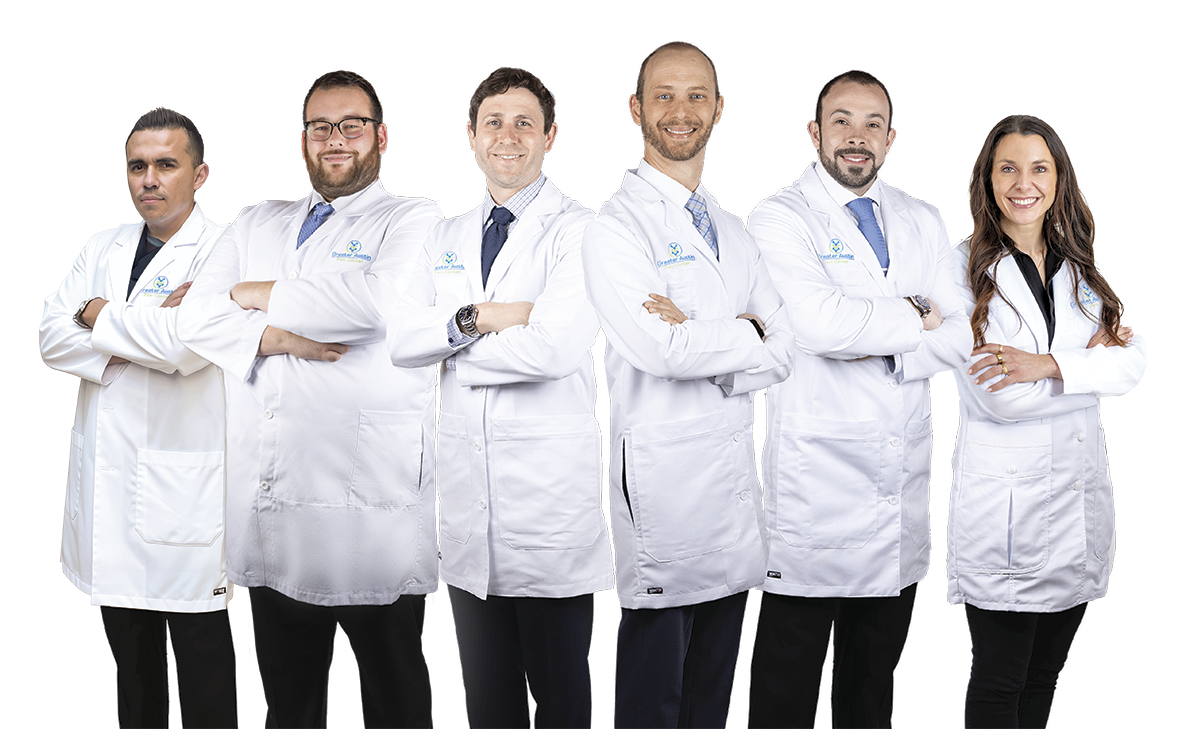
5 doctors in white coats, Greater Austin Pain Center

Visit A Back Pain Doctor in San Marcos Today!

Ready to take the first step towards a pain-free life? Schedule a consultation with Greater Austin Pain Center today, and let our experts help you find the right treatment plan for your back pain.

Testimonials

5 gold stars

"I am so relieved I could cry! Finally a pain specialist who listens, cares, and wants to help! Dr. Alan Silberberg has given me so much hope! As someone who has seen pain specialists for decades in different states, this is where you want to come. You NEED him in your life! My only regret is not coming in sooner."

Sarah Jean C.
5 gold stars

"The staff is very friendly and I was seen on time. The intake process was seamless and efficient. Dr. Jarzombeck is always very kind and thorough in her explanations. These folks are a pleasure to work with. I highly recommend Greater Austin Pain Center and Dr. Jarzombeck!"

Kim D.
5 gold stars

"Everyone is always very nice and courteous. Dr. Julia is amazing! He is friendly, kind and caring and so easy to talk with.  All the office staff I have had contact with has always been courteous and kind as well. Would highly recommend coming here!"

Lesley C.

We Accept Most Insurance

What Causes Back Pain

Back pain, particularly in the lower back, is a widespread issue that affects many people. Injuries to muscles, ligaments, nerves, and the spine are common sources of this discomfort. Other contributing factors include poor posture, degenerative conditions like spinal arthritis, and general wear and tear over time, which can reduce the spine's ability to withstand stress, especially as we age. At Greater Austin Pain Center in San Marcos, we take the time to diagnose the specific cause of each patient’s pain to create personalized treatment plans that may include weight management as a key component for improving outcomes and quality of life.

A medical evaluation is essential to determine the root cause of your back pain and identify the best treatment path. While most patients find relief through non-surgical treatments, some individuals with persistent lower back pain may benefit from surgical intervention.

Many cases of back pain originate from the lumbar spine, located in the lower back. This part of the spine curves just below the waist and connects the upper body (head, trunk, and arms) to the lower body. Strong ligaments and muscles attach to the spine, helping to stabilize the back and enable movement.

The lumbar spinal cord and nerves send signals between the brain and the muscles in the lower body, controlling movement and sensation. Near the first lumbar vertebra (L1), the spinal cord forms a bundle of nerves called the cauda equina.

The lumbar spine consists of six intervertebral spinal discs between the vertebrae. These discs are made of sturdy connective tissue, with a tough outer layer known as the annulus fibrosus and a gel-like center called the nucleus pulposus. The discs and small facet joints help connect vertebrae, providing stability, flexibility, and shock absorption. Excess weight can increase the risk of herniated discs and related back problems. Smoking can also impair blood circulation, reducing nutrient supply to spinal tissues and accelerating degeneration of spinal discs, which can exacerbate pain conditions.

Common Causes of Back Pain

  • Soft tissue abnormalities
  • Compressed, pinched, or irritated nerves
  • Nerve pain
  • Acute injury
  • Bone spurs
  • Spinal canal narrowing (stenosis)
  • Disc degeneration
  • Osteoporosis
  • Misaligned vertebrae
  • Disc herniation
  • Heavy lifting

Symptoms of Back Pain

  • Pain radiating through the back, legs, buttocks, or feet (including sciatica)
  • Neck pain or stiffness that may accompany back pain
  • Weakness or numbness in the lower extremities
  • Muscle cramping
  • Loss of bladder or bowel control (Cauda Equina Syndrome)
Woman at elevators in front of San Antonio Eye Specialists sign.

Am I At Risk For Back Pain?

Back pain is a common issue, but certain factors can make some individuals more likely to experience it. Understanding these risk factors can help you take steps to protect your back and gain a better understanding of your overall musculoskeletal health. Common risk factors include:

  • Posture-related risks: Poor posture when sitting, standing, or lifting heavy objects can strain your back muscles, ligaments, and spinal discs, increasing your risk of developing back pain.
  • Age: As we get older, the spine's ability to withstand stress decreases, leading to natural wear and tear on our bones, muscles, and joints. This can result in conditions like spinal arthritis and degeneration of spinal discs, making back pain more likely.
  • Sedentary lifestyle: A lack of physical activity weakens the muscles in your back, making them more prone to injury and discomfort.
  • Obesity: Carrying excess weight puts added pressure on your spine, which can result in chronic back pain.
  • Injuries: Sudden injuries from falls or accidents, as well as improper lifting, bending, or twisting, can lead to back pain.
  • Certain medical conditions: Conditions like arthritis, osteoporosis, scoliosis, or cancer can increase your chances of experiencing back pain. Related musculoskeletal conditions such as plantar fasciitis, knee pain, and hip pain may also be present and benefit from specialized treatment

If you’re frequently dealing with back pain, especially in the lower back, and have noticed any of these symptoms, reach out to Greater Austin Pain Center in San Marcos. We can help you schedule an appointment or answer any questions you may have about managing your pain and achieving a better understanding of your risk factors.

Hand in pain next to a laptop.

Causes

  • Injury to the Wrist – fracture or dislocation
  • Diabetes, Rheumatoid arthritis, obesity, hypothyroidism
  • Repetitive hand and wrist motions- twisting, turning, bending, grasping
  • Strain from flexing the wrist for long periods of time as with use of keyboard and computer mouse
  • Family history
Doctor examining patient's wrist in Austin clinic

Symptoms

  • Pain, numbness, burning, or tingling in fingers or hand, except for the little finger
  • Weakness in the hand, dropping objects
  • Feel the need to “shake” out the hand to reduce symptoms
  • Electric shock sensation in fingers with use of hand and wrist
  • Pain and tingling may travel up the arm
Doctor adjusting wrist brace

Treatments

Frequently Asked Questions

What questions should I ask my pain doctor?

arrow icon

When visiting a pain specialist, you might want to ask about the root cause of your pain, the recommended treatments, potential side effects, and what lifestyle changes could help manage your condition. Be sure to inquire about whether a comprehensive treatment plan will be developed for you, as this can provide a better understanding of your condition and the recovery process. Also, ask about non-surgical vs. surgical treatment options and expected recovery times.

What makes back pain become chronic?

arrow icon

Back pain can become chronic if it lasts longer than three months. Contributing factors include untreated injuries, degenerative conditions, nerve damage, or repeated strain on the spine. In some cases, lifestyle factors like a sedentary routine or poor posture can also lead to chronic pain. Treating chronic pain often requires a personalized approach and may involve a combination of therapies to effectively manage symptoms and improve quality of life.

How can I prevent back pain?

arrow icon

Preventing back pain involves maintaining good posture, staying active, strengthening your core muscles, and avoiding heavy lifting or improper lifting techniques. Weight management is an important part of preventing back pain, as maintaining a healthy weight reduces strain on your spine. Using ergonomic furniture at work and home can also help.

When should I seek medical attention for back pain?

arrow icon

You should seek medical attention if your back pain persists for more than a few weeks, radiates down your legs or arms, or is accompanied by symptoms such as numbness, weakness, or loss of bladder or bowel control. Immediate attention is necessary for these more severe symptoms.

What’s the difference between acute and chronic back pain?

arrow icon

Acute back pain typically lasts a few days to weeks and is often related to muscle strain, acute injury, or a temporary condition. Chronic back pain persists for more than three months and can be caused by underlying conditions such as disc degeneration, nerve damage, or arthritis.

Can lifestyle changes help manage back pain?

arrow icon

Yes, lifestyle changes can significantly help manage back pain. Regular exercise, maintaining a healthy diet, proper posture, and stress management can all play a role in reducing pain levels and preventing further injury.

Are epidural steroid injections safe?

arrow icon

Epidural steroid injections are generally considered safe, but like any medical procedure, they come with some risks. Possible side effects include temporary pain at the injection site, infection, or bleeding. Your doctor will discuss these risks and determine if ESI is right for you.

How can I improve my posture to reduce back pain?

arrow icon

To improve posture, make sure your back is straight, shoulders are relaxed, and both feet are flat on the ground when sitting or standing. Using ergonomic chairs, keeping screens at eye level, and taking regular breaks to move around can also help alleviate strain on your back.

Get Expert Back Pain Treatment at Greater Austin Pain Center

Don’t let back pain hold you back any longer. The specialists at Greater Austin Pain Center are experienced in diagnosing and treating all types of back pain, providing high quality care and personalized care at our clinic to help you find relief. Whether you’re in Austin, Kyle, Dripping Springs, San Marcos, or nearby areas, trust our team to provide the care you need to get back to living pain-free.

Schedule an Appointment

Relieve Your Pain Today!
Disclaimer: Using this form does not establish a patient-physician relationship. This form is not to be used for emergencies or urgent requests. Please call 911 if you have a life-threatening emergency.
By submitting this form you agree to the collection of your personal data pursuant to our privacy policy.

Loading security check...

Green padlock icon
All Information Is Secure and Confidential
Thank you! Your submission has been received!
Oops! Something went wrong while submitting the form.
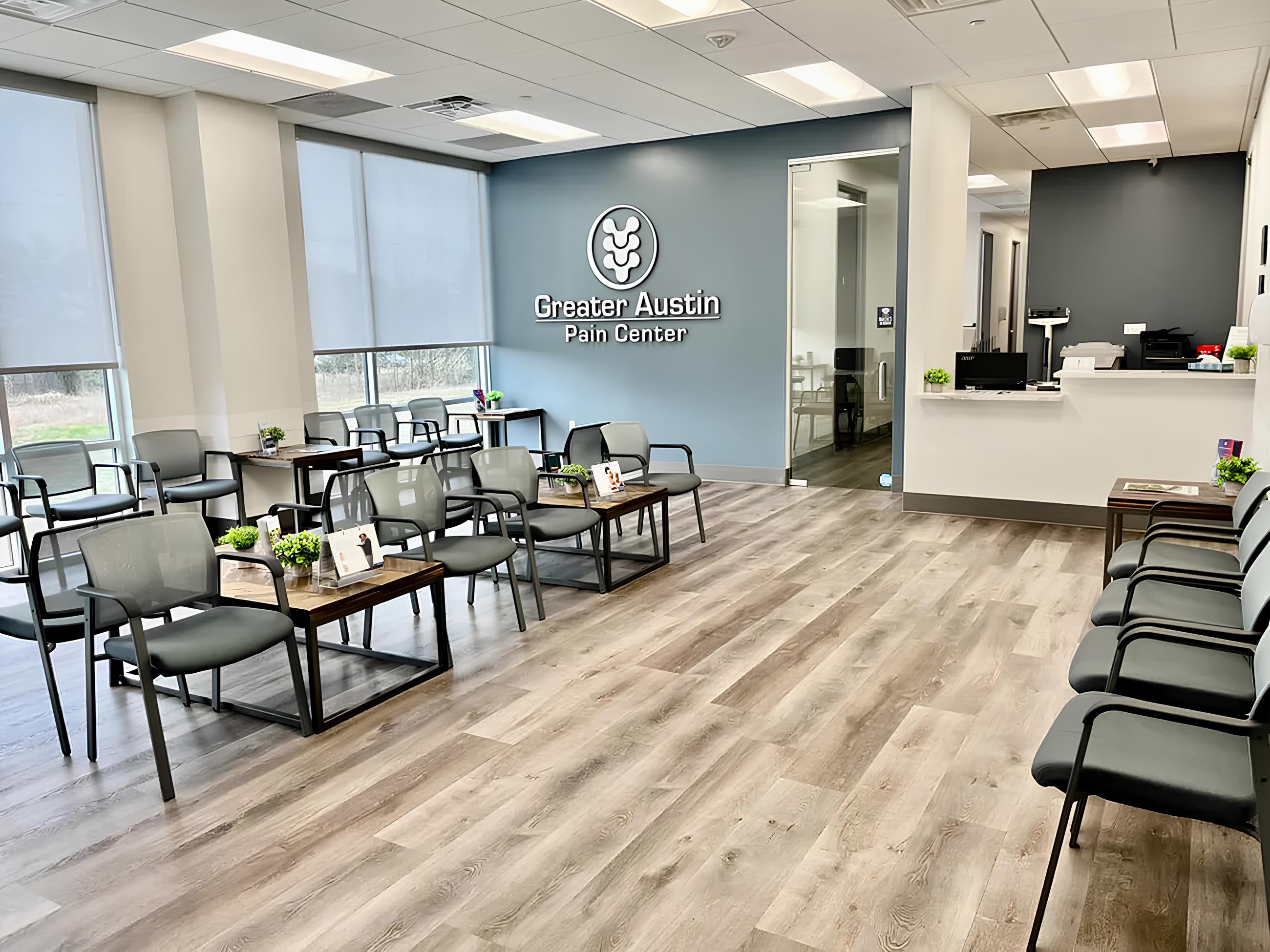
A modern medical office waiting room with gray chairs, small tables with plants and brochures, wood-style flooring, and a reception desk. The wall displays the sign "Greater Austin Pain Center."

Greater Austin Pain Center Is Hiring! Apply Online Today